
A Customer Experience Management platform is a centralised digital solution that helps businesses collect, analyse, and act on customer feedback across all touchpoints—surveys, social media, support channels—so they can understand the whole customer journey and deliver personalised, loyalty-boosting experiences.
As companies strive to differentiate themselves, understanding and managing customer experience (CX) has emerged as a critical strategy for fostering loyalty, enhancing brand reputation, and driving sustainable growth. But how to manage customer experience in 2024?
This comprehensive guide explains what is a customer experience platform, the importance of customer experience management platforms, and how they transform the way businesses interact with their customers. And, if you’re looking for a platform, we’ve included a checklist to help you choose the right CX platform for your needs, along with a list of the best platforms currently available in the market! Let’s dive in.
What Is Customer Experience Management (CEM or CXM)?
Customer experience management is a holistic approach that focuses on creating positive, memorable interactions at every touchpoint along the customer journey. It’s about understanding customer needs, preferences, and feedback to tailor experiences that exceed expectations, thereby building customer loyalty and encouraging repeat business.
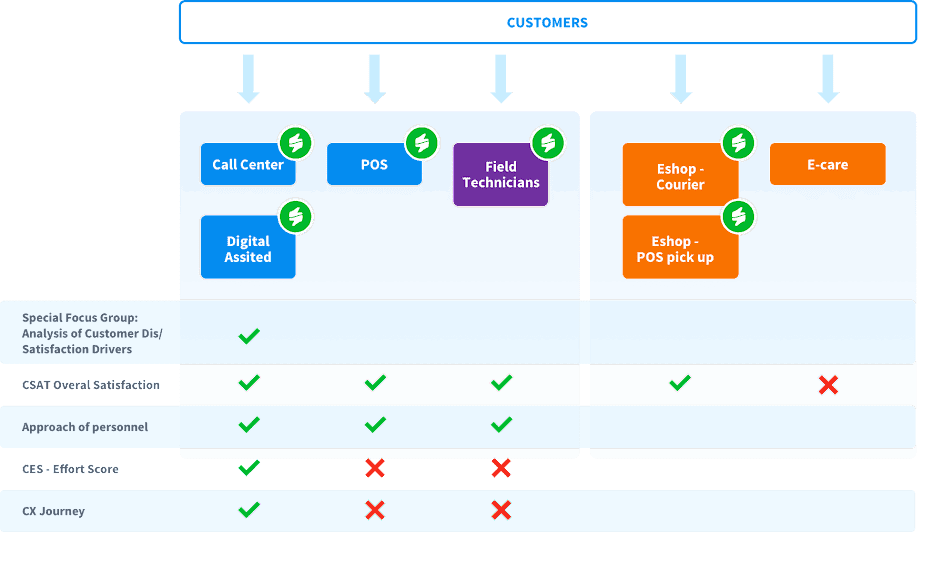
How to improve customer experience management? Improving customer experience management involves understanding customer needs, mapping out the customer journey, empowering employees, leveraging digital technology, and continuously collecting feedback to make data-driven improvements. By prioritising customer satisfaction at every touchpoint, you can build long-lasting relationships and drive loyalty.
Where does customer experience management fit in an organization? Even though it typically falls under the marketing, customer success team, or customer service departments, its impact is felt across the entire company, influencing product development, sales, and overall business strategy.
Let’s now look at how digital technology is employed in managing the customer experience.
What Is a Customer Experience Management Platform?
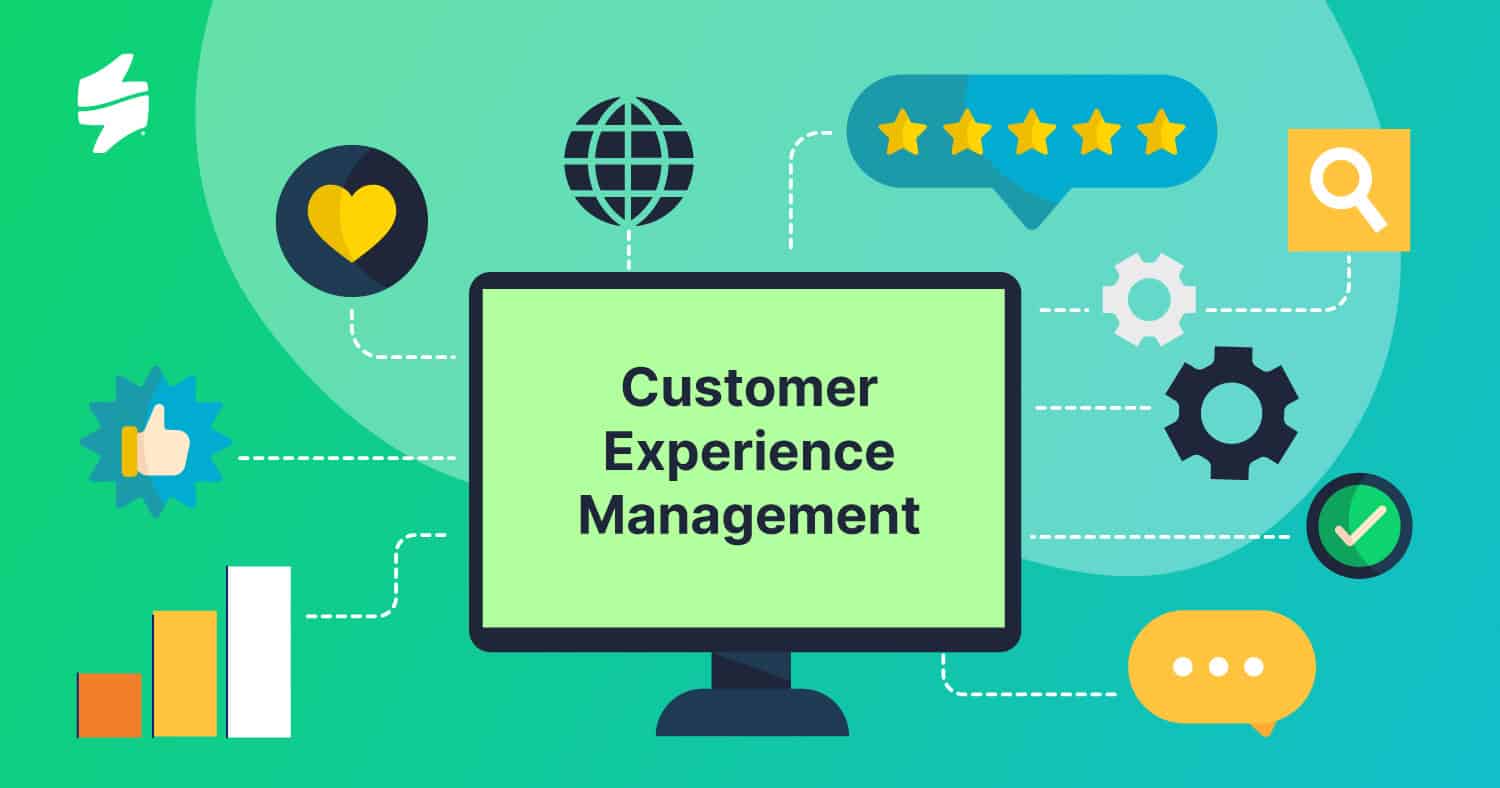
A customer experience management platform is an advanced digital technology solution designed to help businesses collect, analyse, and act on customer feedback across various channels. These platforms enable organisations to gain a 360-degree view of the customer journey, identify pain points, and deliver personalised experiences that boost satisfaction and loyalty.
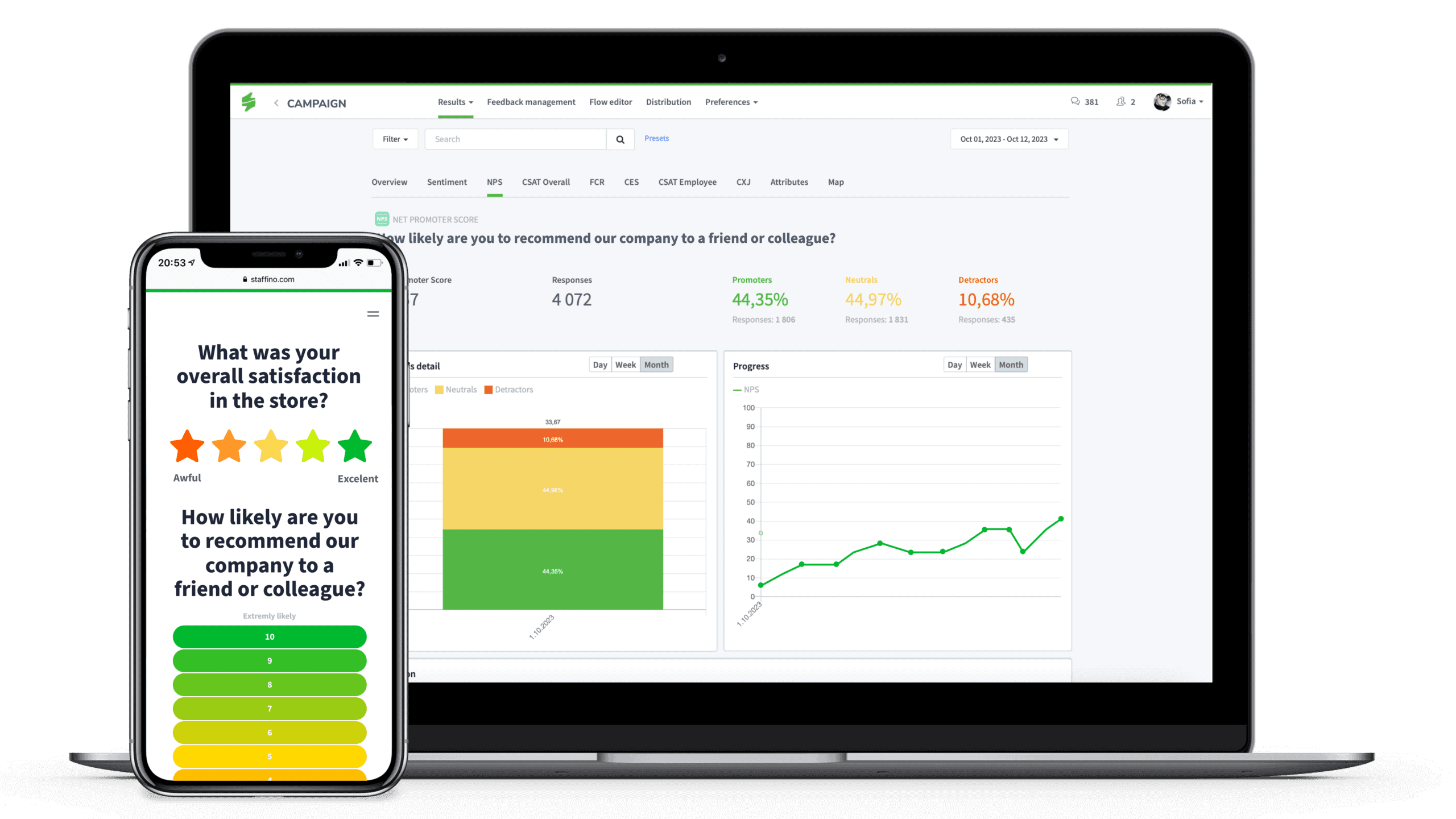
In essence, these platforms act as a central hub where businesses can amalgamate data from diverse sources, such as customers satisfaction surveys, social media interactions, and customer support interactions, to create a holistic view of each customer’s experience. This holistic perspective equips businesses with invaluable insights into customer preferences, pain points, and expectations, enabling them to close the feedback loop and craft personalised interactions that resonate deeply with their target audience.

Get Actionable Insights with Closed Loop Feedback Management
With Staffino, you'll never leave a customer unhappy again! Streamline the process of collecting and responding to feedback, identify areas of improvement, and make sure that customer issues are addressed quickly and effectively.
How Does a CX Platform Differ From a CRM Software?
How is customer experience management different from CRM? A customer experience software or platform and customer relationship management (CRM) software serve distinct but complementary roles in managing customer interactions. While both are integral to a comprehensive customer engagement strategy, they focus on different aspects of the customer journey.
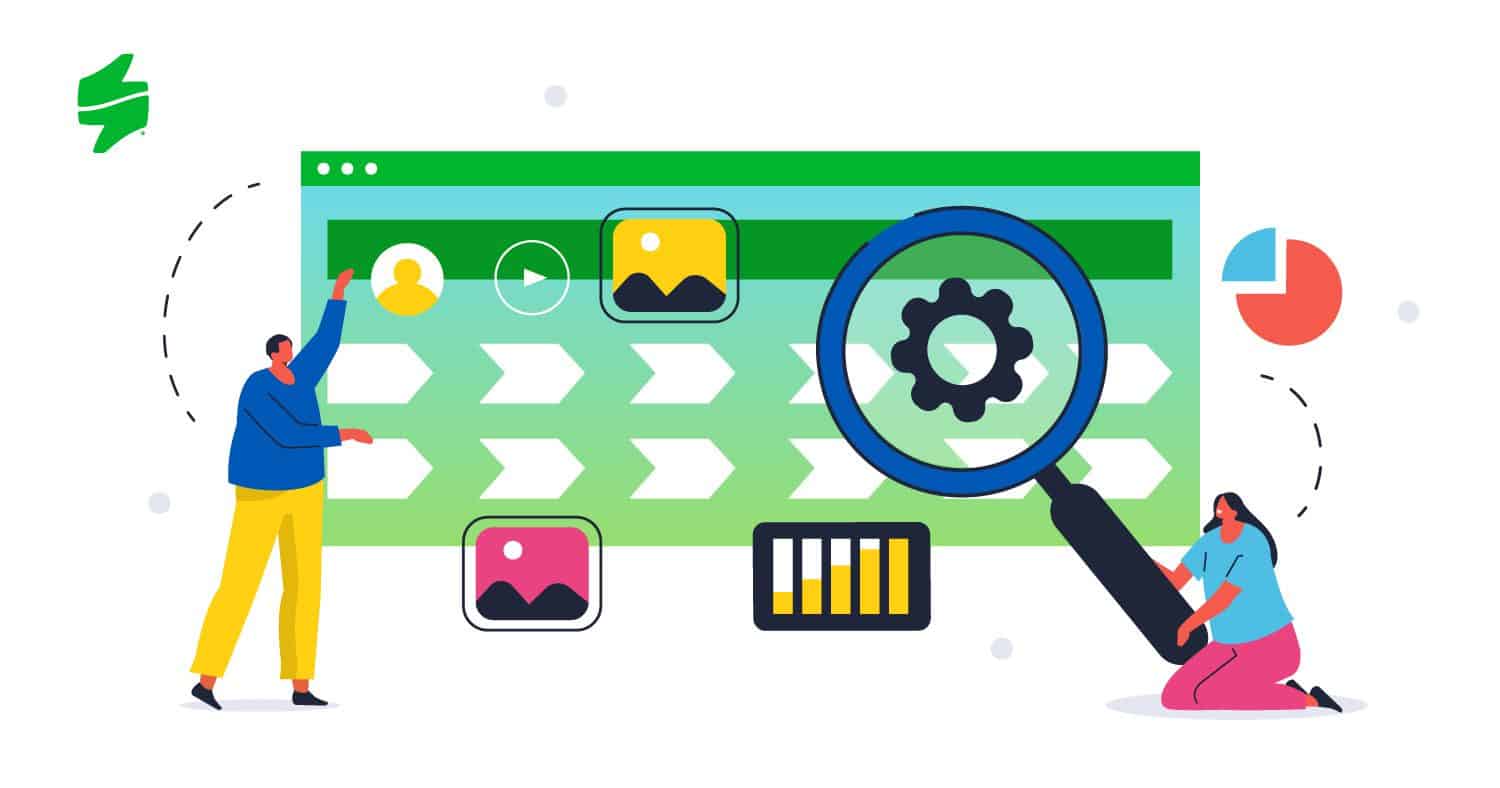
A customer experience platform is designed to manage and improve the overall experience customers have with a brand, focusing on the quality of interactions across all touchpoints. It aims to deliver personalised and seamless experiences, aiming to enhance customer satisfaction, loyalty, and advocacy by leveraging insights from various channels and touchpoints.
On the other hand, CRM software concentrates on managing detailed information about customers and potential customers, tracking interactions, and facilitating sales and marketing processes. It serves as a database for contact information, sales opportunities, service cases, and marketing campaigns, emphasising the operational and transactional aspects of customer relationships.
So, while CRM tools help businesses understand who their customers are and manage their sales and interactions, CX platforms focus on how customers feel about their interactions with the brand and work to improve those perceptions and experiences at every stage of the customer journey.
Key Features of a Customer Experience Management Platform
Nowadays, most customer experience management platforms on the market offer the following features:
1. User-Friendly Interface
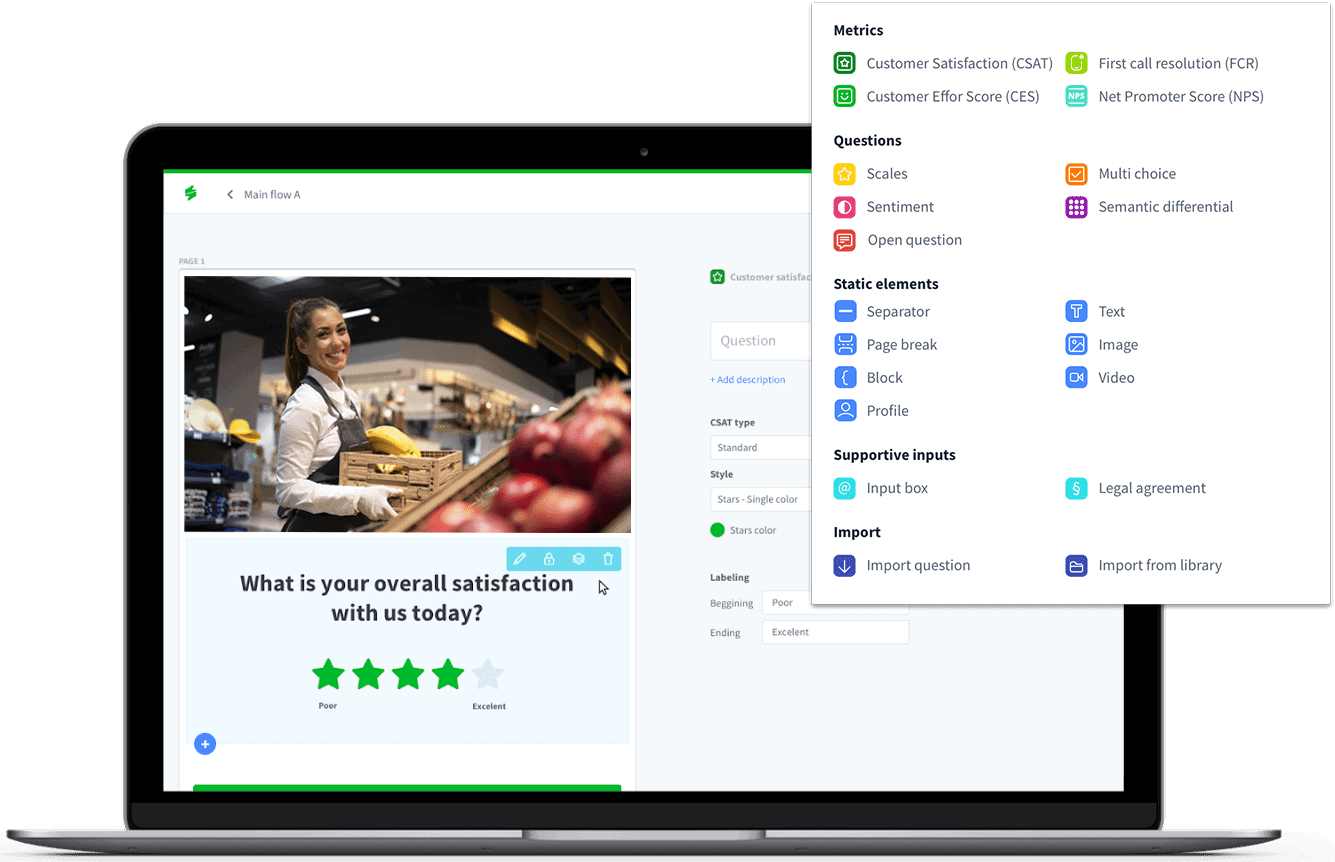
In general, CX management platforms have an intuitive and user-friendly interface designed to streamline your customer interaction processes. With easy navigation and a clean layout, you and your team should be able to effortlessly access all features and functionalities.
2. Integration Capabilities
Seamless platform integration with your existing systems and tools creates a unified customer experience ecosystem. Whether it’s CRM software, marketing automation tools, or social media platforms, CX platforms ensure smooth data flow and synchronisation.
3. Real-Time Feedback Collection
Customer experience platforms enable you to collect customer ratings and reviews in real time to gain valuable insights into their preferences, opinions, and satisfaction levels. They enable you to set up automated customer feedback mechanisms across various touchpoints, allowing you to promptly address issues and enhance customer satisfaction.
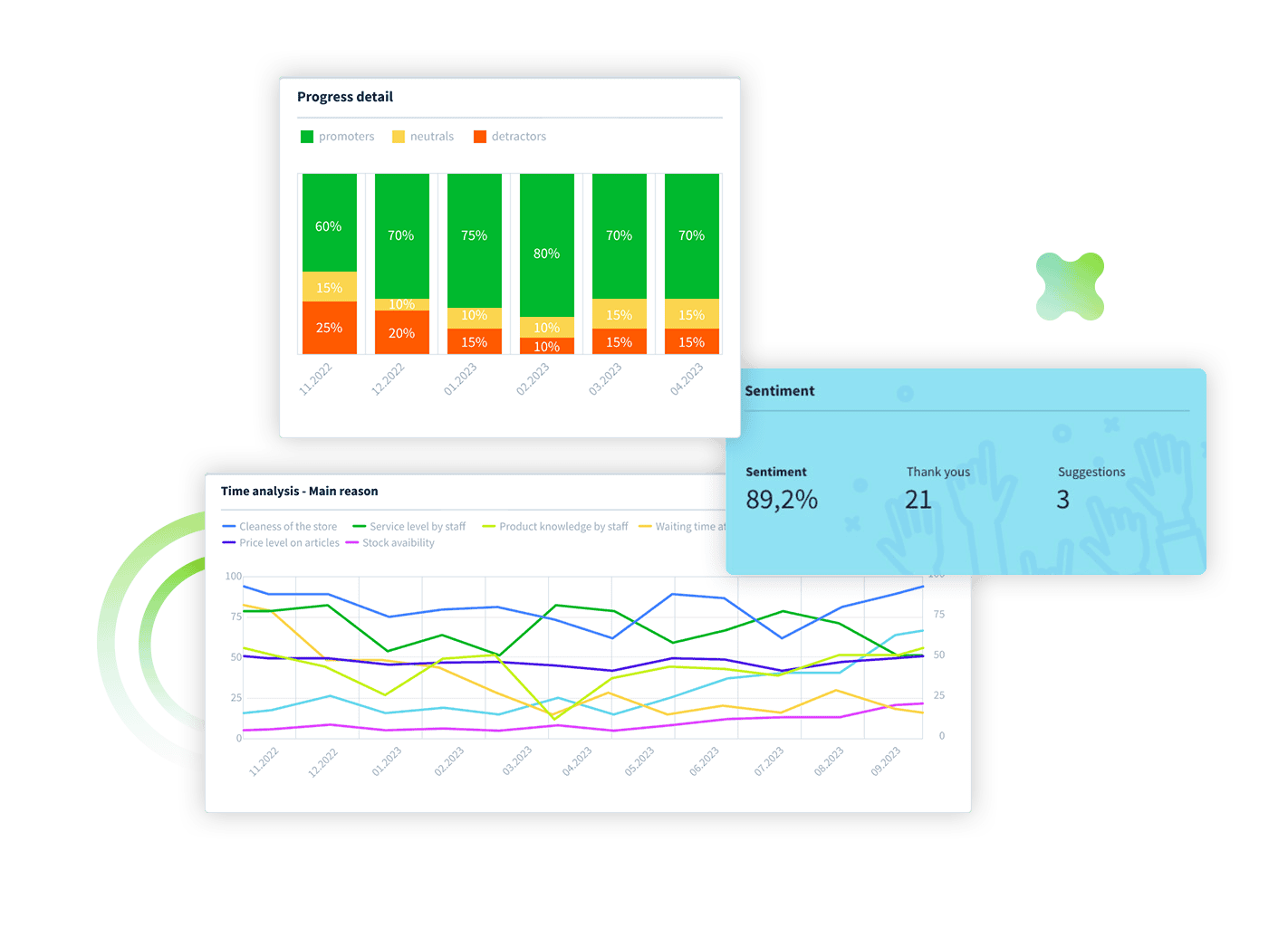
4. Data Analytics and Reporting
Customer experience platforms contain powerful data analytics tools that extract actionable insights from customer interactions. They enable you to track key customer experience metrics, analyse trends, and generate comprehensive reports to make informed business decisions. In short, they empower you with the data-driven intelligence needed to optimise the customer journey.
5. Employee Motivation Tools
Motivation in the workplace is essential for delivering exceptional customer experiences. Some customer experience management platforms also offer employee motivation tools such as gamification features, performance tracking, and employee recognition programs. By empowering your team members and fostering a positive work environment, these tools drive employee engagement, productivity, and, ultimately, customer satisfaction.

Give Your Employees the Recognition and Motivation They Deserve
Does your team need a little extra motivation? Our platform provides powerful insights into your team’s performance and various recognition tools that help ensure everyone feels appreciated.
Why Invest in a CX Management Platform?
Why is customer experience management important from a business perspective? Investing in a CX management platform offers numerous benefits, including:
1. Enhanced Customer Satisfaction
Thanks to detailed analytics and AI for customer success, customer experience platforms help you uncover deep insights into customer behaviour and preferences, which can guide you in ensuring consistent customer satisfaction.
2. Improved Customer Retention
Understanding what does customer retention mean and its importance, these platforms help identify churners and craft strategies that significantly improve client retention rates.
3. Streamlined Customer Interactions
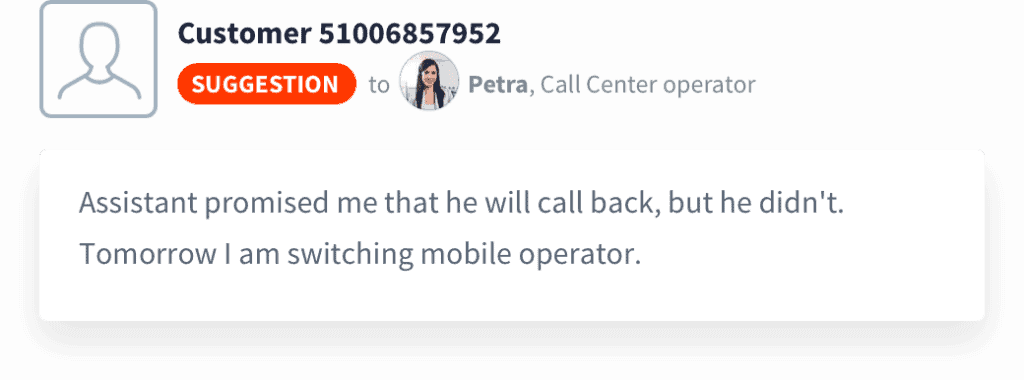
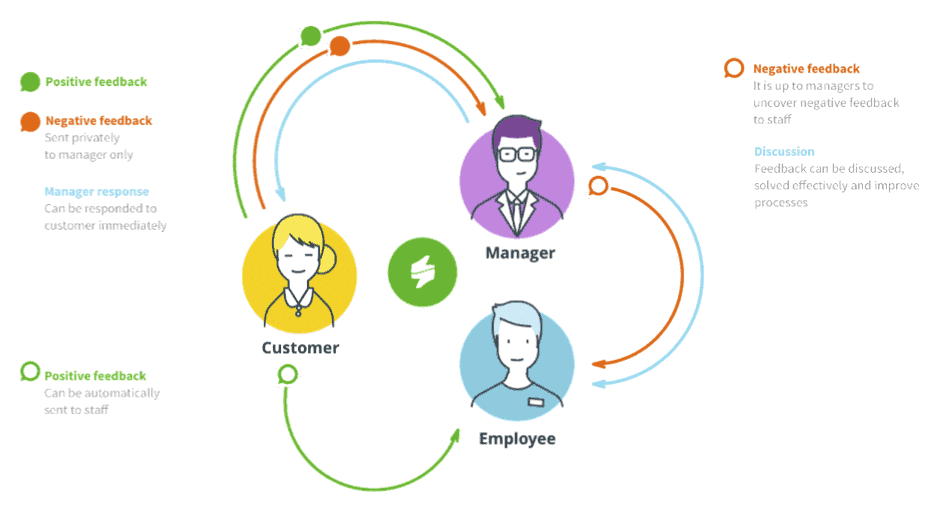
CX management platforms include closed loop feedback systems that ensure you not only gather customer opinions but also provide actionable responses, enhancing the overall experience.
4. Increased Employee Engagement
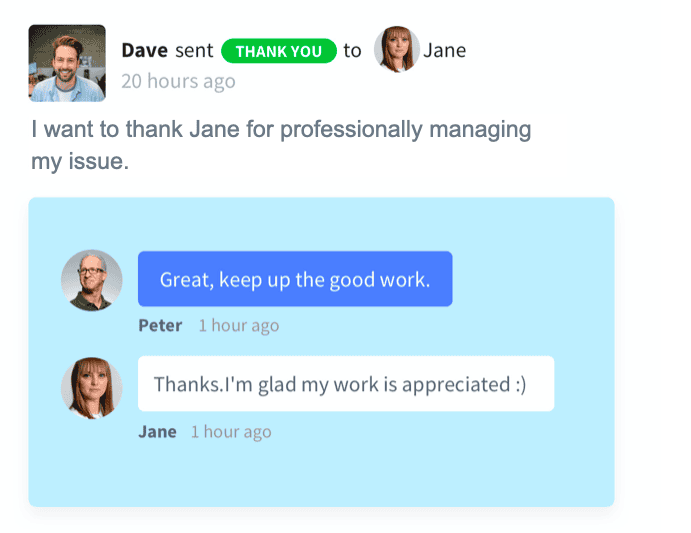
With features like real-time employee recognition and motivation, these platforms help create a positive work culture, directly impacting customer service quality.
5. Increased Revenue
By leveraging customer insights and personalised experiences, client experience management platforms drive customer loyalty, repeat purchases, and referrals, leading to increased revenue and business growth. They also help you uncover new revenue opportunities.
How to Choose the Right Customer Experience Management Platform?
What to look for in a customer experience management platform? Selecting the right CX platform requires a careful evaluation of several key features:
1. Comprehensive Analytics
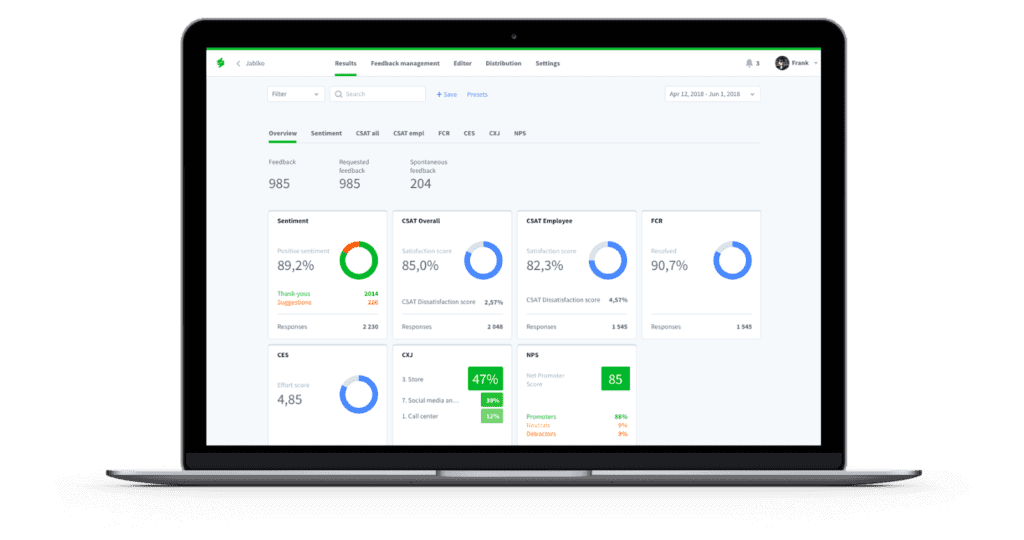
A robust customer experience analytics capability is crucial for deriving actionable insights from customer data. Advanced yet easy-to-read CX dashboards should be a part of any customer experience software or platform you’re considering.
2. AI and Machine Learning
AI customer success tools can significantly enhance predictive capabilities and personalised interactions, all while automating routine tasks.
3. Omnichannel Support
Ensure the platform supports seamless integration across all customer touchpoints, such as in-store visits, call centre interactions, or website orders, providing a unified view of the customer journey.

4. Scalability
An ideal customer experience management platform should be able to grow with your business, handling increased data volume and complexity without compromising performance. Therefore, it is best to look for platforms that are open to customisation rather than those that offer boxed solutions.
5. Your company size, needs and budget
When selecting a customer experience management platform, it’s essential to consider your company’s unique size, requirements, and financial constraints. Look for a solution that can be customised to fit your specific needs and budget, ensuring you get the most value out of your investment.
Here’s a concise checklist for selection based on all the criteria mentioned above:
- Does it offer comprehensive analytics with easy-to-read CX dashboards?
- Does it incorporate AI and machine learning for enhanced predictive capabilities?
- Does it provide omnichannel support for a unified view of the customer journey?
- Is it scalable to accommodate business growth and increased data complexity?
- Can it be customised to fit your company’s size, needs, and budget requirements?
Top Customer Experience Management Platforms in 2024
Looking for a must-have customer experience platform? We did the research for you! These six companies provide all you need for successfully managing customer experience:
1. Staffino
Staffino takes the customer experience to the next level with its highly customisable CX management platform, designed to cater specifically to the unique needs of each client. Unlike its competitors, Staffino offers bespoke solutions that ensure businesses pay only for the features they truly need. At the heart of Staffino’s innovation lies its native AI, which revolutionises feedback analysis through instant AI topics and sentiment detection in customer feedback. This AI prowess extends to its response bot, which crafts personalised responses tailored to any customer situation, surpassing the capabilities of traditional, one-size-fits-all chatbots.
Pros:
– Highly customisable platform, ensuring value for money
– User-friendly customer survey creation and distribution
– Advanced AI for instant feedback analysis and personalised customer interactions
– Real-time employee motivation and recognition tools
– Tailored pricing model that aligns with client-specific requirements
Cons:
– The initial setup might take longer compared to boxed solutions.

Get a First-Hand Experience Today!
Staffino is the perfect tool for creating engaging surveys, tracking performance, responding to customer feedback, and rewarding top employees. Get started today with our FREE demo!
2. Qualtrics XM
Qualtrics XM is a robust customer experience management software that offers a wide range of tools for survey creation, distribution, and analysis. It’s designed for businesses looking to gain deep insights into customer sentiment and trends.
Pros:
– Comprehensive customer survey tools and analytics.
– Strong data collection and analysis capabilities.
Cons:
– Can be costly, with pricing often not as flexible as some competitors.
– May offer more features than some businesses need, leading to underutilisation.
3. Medallia
Medallia is a consumer experience management software that captures experience signals created on daily journeys in person, on calls and digital channels, over video and social media, and IoT interactions.
Pros:
– Wide range of data capture methods.
– Real-time customer feedback analysis.
Cons:
– Can be complex to implement and integrate with existing systems.
– Pricing may be prohibitive for smaller businesses.
4. Adobe Experience Cloud
Adobe Experience Cloud offers a comprehensive set of marketing, analytics, advertising, and e-commerce tools designed to give deep insights into customer behaviour.
Pros:
– Integrated suite of services offering a broad range of marketing tools.
– Strong analytics and personalisation features.
Cons:
– High cost, especially for small to medium-sized enterprises.
– Complexity and breadth of tools can be overwhelming for new users.
5. Salesforce Experience Cloud
Salesforce Experience Cloud provides a powerful CX platform for creating connected, personalised customer experiences across various channels and devices, leveraging the strength of the Salesforce ecosystem.
Pros:
– Highly scalable and customisable.
– Seamless integration with Salesforce products.
Cons:
– Can be expensive, with costs increasing as additional features or customisations are needed.
– May require significant training to utilise fully.
6. Zendesk
Zendesk offers a suite of support, sales, and customer engagement tools designed to improve customer relationships. It’s known for its ease of use and straightforward implementation.
Pros:
– User-friendly interface and easy setup.
– Strong ticketing system for customer support.
Cons:
– Limited customisation options compared to other CX platforms.
– Some users may find the analytics features less advanced than those of competitors.
| Platform | Key Strengths | Limitations | Best For |
|---|---|---|---|
| Staffino | Highly customisable platform; tailored pricing; native AI for instant feedback analysis & sentiment detection; AI response bot for personalised replies; real-time employee motivation tools | Initial setup may take longer than boxed solutions | Businesses seeking a bespoke, AI-driven CX platform with strong ROI |
| Qualtrics XM | Comprehensive survey tools; strong analytics; deep customer insights | Higher cost; rigid pricing; potential feature underuse | Enterprises wanting robust survey & analytics capabilities |
| Medallia | Captures experience signals across multiple channels; real-time feedback analysis | Complex implementation; expensive for smaller firms | Large organisations with diverse, high-volume customer interactions |
| Adobe Experience Cloud | Integrated marketing, analytics, and personalisation suite; deep customer behaviour insights | High cost; complexity can overwhelm new users | Enterprises needing a full-stack marketing & CX ecosystem |
| Salesforce Experience Cloud | Highly scalable; strong integration with Salesforce products; cross-channel personalisation | Expensive; steep learning curve | Salesforce-centric organisations aiming for connected experiences |
| Zendesk | Easy to set up; user-friendly interface; strong ticketing system | Limited customisation; analytics less advanced | SMBs and teams prioritising quick deployment & support efficiency |
Case Studies of Successful Implementation of a CX Platform
Let’s now explore two customer experience success stories that are both a result of implementing a robust CXM platform and strategy:
CASE STUDY #1: Dr.Max Pharmacy Chain Unlocks Customer Satisfaction and Revenue Growth with a CX Platform
Dr.Max, a prominent European pharmacy chain, harnessed the power of Staffino’s CX management platform to enhance customer satisfaction and drive remarkable revenue growth. Through meticulous evaluation of customer satisfaction levels during pharmacist interactions and Net Promoter Scores (NPS), Dr.Max pinpointed key areas for improvement and upselling opportunities.
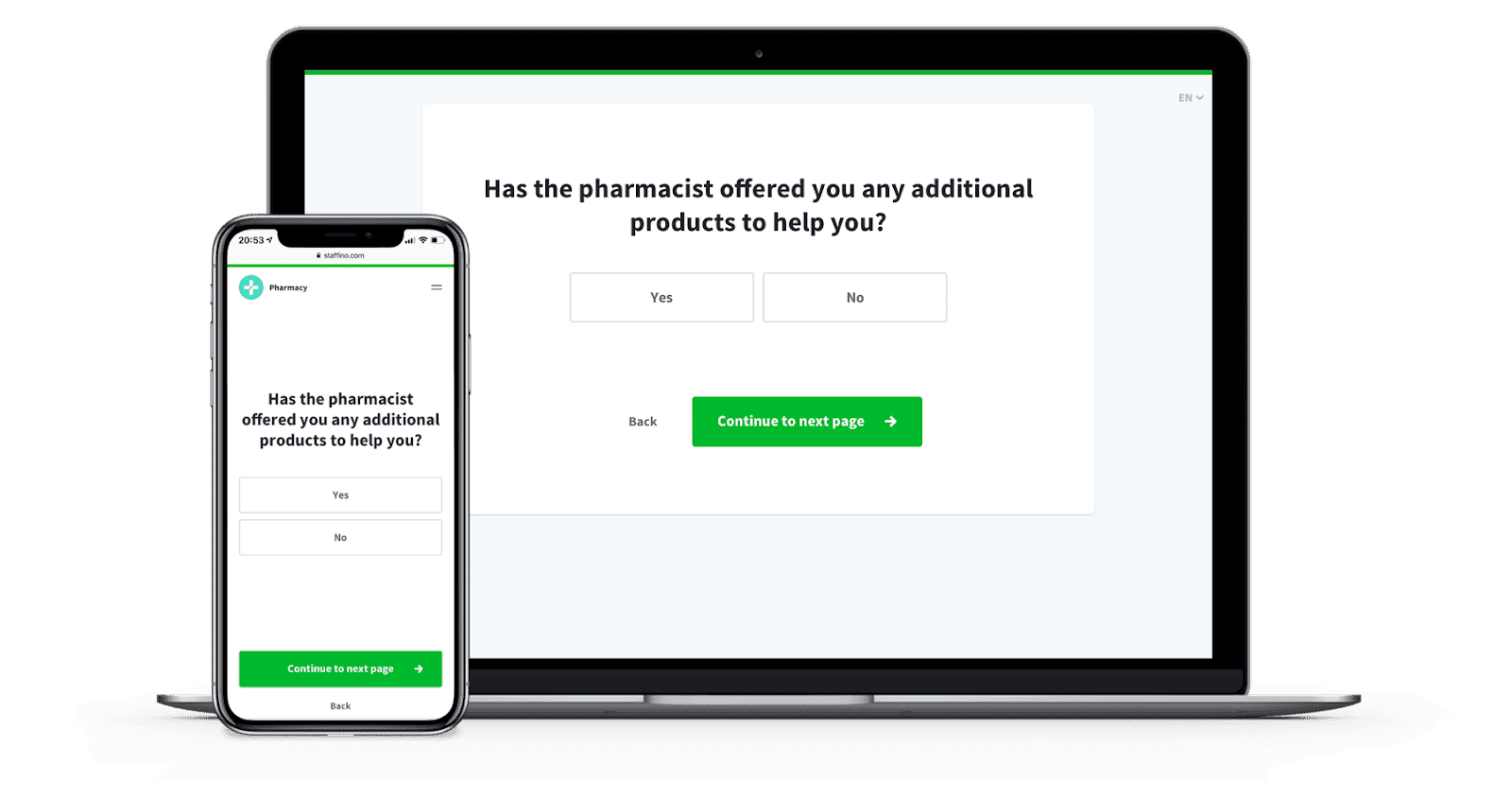
The outcomes spoke volumes:
- A 25% surge in incremental monthly revenue attributed to enhanced pharmacist attitudes.
- Proactive cross-selling initiatives by pharmacists yielding a 15% boost in average purchase value.
- A substantial leap in Net Promoter Score from 69 to 81 between 2018 and 2021, translating into millions in incremental annual revenue.
“Thanks to Staffino, we can now pinpoint exactly which of our branches have ongoing issues affecting the shopping experience and identify the specific pharmacists that have impacted our customers’ feelings.”
Ján Žák
CEO, Dr. Max Slovakia
Explore the complete success story of Dr.Max’s CX journey here!
CASE STUDY #2: Mobile Operator Orange Improves Customer Retention with a CX Platform
Orange Slovakia implemented a strategic approach to improve call centre interactions and enhance customer satisfaction by leveraging targeted feedback collection and churn data analysis. By utilising Staffino’s client satisfaction survey, Orange was able to gather in-depth customer feedback, which, when combined with AI-driven customer attrition analysis, identified customers at risk of leaving.
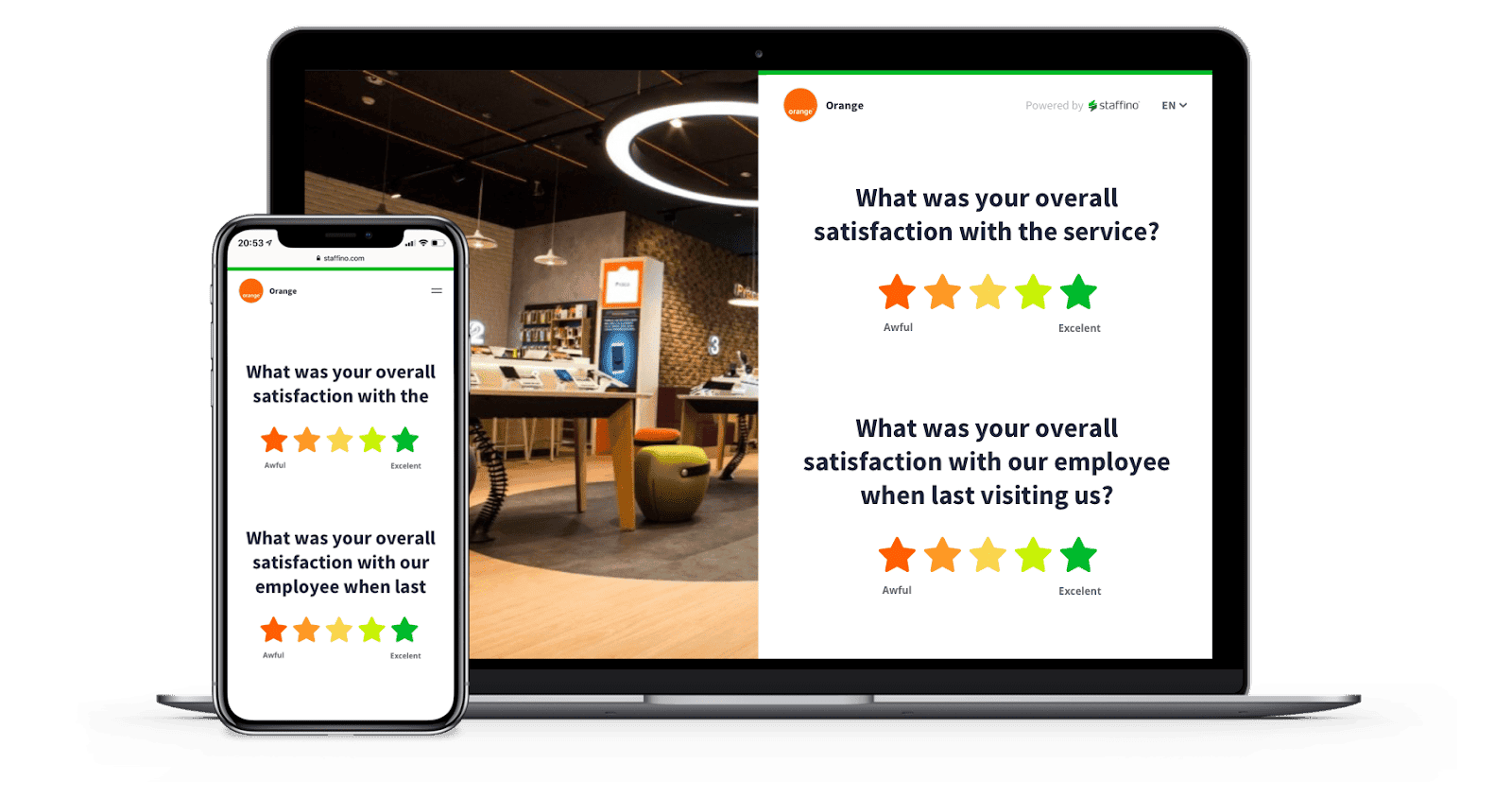
- This valuable insight enabled Orange to create personalised customer retention strategies, resulting in a 70% retention rate for customers who were considering leaving Orange.
- These customer retention efforts lead to annual savings of €200,000.
- Furthermore, the semantic analysis of customer feedback played a crucial role in cultivating a customer-centric culture within the organisation, ultimately strengthening customer relationships.
“Thanks to the simplicity of the Staffino platform and the ability to internally discuss each case directly within it, we’ve been able to retain 70% of customers who were likely to leave.”
Vladislav Kupka
Board Member, Orange Slovakia
To learn more about this customer experience success story, click here!
Conclusion
In the era of customer-centricity, leveraging a customer experience management platform is no longer optional—it’s a strategic imperative. By choosing the right CX platform, you can significantly enhance your customer experience, leading to increased satisfaction, loyalty, and, ultimately, higher revenue. Remember, the goal is not just to meet customer expectations but to exceed them consistently, turning satisfied customers into brand advocates. With the insights and guidance provided in this article, you’re now well-equipped to embark on your journey toward CX excellence.
Discover how our customer experience management platform can transform your business. Contact us today for a free demo!
Transform Your Customers' Experiences
Create a bulletproof customer journey with tailored CX products and services that will foster loyalty and reduce churn.
FAQ
CEM (or CXM) is the strategic practice of managing every customer interaction, from awareness to after-service, to create consistent, personalised experiences that exceed expectations and build loyalty.
Use an evidence-based approach: map the customer journey, collect feedback, use analytics, leverage digital tools and personalisation, empower employees, and continuously iterate based on insights.
It’s a digital hub that aggregates customer data and feedback across channels, analyses behavior and sentiment, and provides a 360° view of the customer, enabling teams to spot pain points and deliver tailored experiences.
CRM focuses on organising and tracking customer data (quantitative: purchases, contacts), while CEM focuses on understanding sentiment and improving the overall journey (qualitative: feelings, satisfaction). CRM stores the data; CEM interprets it to drive loyalty.
Must-haves include: omnichannel feedback collection, analytics & sentiment analysis, journey mapping, personalisation automation, seamless integrations (e.g., CRM), and closed-loop feedback workflows.
Staffino offers powerful tools for feedback collection, AI-driven analytics, closed-loop feedback, and retention case management, all in one platform. Other notable CXM solutions include Qualtrics (robust feedback and AI analytics), Userpilot (in-app personalization for SaaS), HubSpot (integrated marketing/survey tools), and enterprise platforms like Adobe Experience Cloud, Salesforce Customer 360, and Oracle CX Cloud.
Digital tech captures and analyses data in real time (surveys, social media, chat), applies AI for sentiment analysis and automation, and enables seamless, personalised interactions across channels.
Build a CXM strategy: listen to customers, map their journey, personalize interactions, keep experiences consistent across channels, train your teams, use the right tools, measure success (NPS, CSAT, CES), and iterate continuously.
It’s a structured framework that aligns people, processes, and tools to measure, analyse, and optimise the customer journey through touchpoint mapping, personalisation, feedback loops, and continuous improvement.
Typically anchored in marketing, customer success or support, but its influence should span across product, sales, and leadership, because great CX needs company-wide alignment.
Because today’s customers expect seamless, personalised interactions. Strong CXM boosts satisfaction, loyalty, advocacy, and revenue, while reducing churn. It’s a clear competitive edge.