

EX (Employee Experience) refers to how employees perceive their journey within a company, while CX (Customer Experience) relates to how customers perceive their interactions with a brand. Although different in focus, these two experiences are closely linked. Engaged employees are key to delivering exceptional customer experiences. Understanding and aligning EX and CX is crucial for long-term business success.
Today, delivering a great product or service is no longer enough. The true differentiator lies in experience, both the experience your customers have with your brand (CX) and the experience your employees have within your organisation (EX). EX vs CX, these two forces are deeply interconnected. The stronger the employee experience, the better your customer experience, and vice versa.
This article explains the definitions of CX and EX, how they are linked, and why aligning them is essential. It also introduces how experience management platforms help companies manage and improve both experiences in a unified, effective way.
What Is CX and EX?
CX stands for customer experience, and EX refers to employee experience. Together, they shape how your brand is perceived from the inside and out.
What Does CX Stand for?

Customer Experience (CX) is the overall perception customers have of your brand based on every interaction, whether it’s through your website, customer service, product usage, or after-sales support. A great CX builds customer loyalty, increases satisfaction, and drives repeat business.
Key elements of customer experience include:
- Ease of purchase or service access
- Speed and helpfulness of support
- Personalisation and empathy
- Product or service quality
- Trust and consistency
Transform Your Customers' Experiences
Create a bulletproof customer journey with tailored CX products and services that will foster loyalty and reduce churn.
What Does EX Stand for?

Employee Experience (EX) encompasses every touchpoint an employee has with your company, from recruitment and onboarding to day-to-day culture, leadership, employee recognition, and career development. It’s influenced by:
- Company culture and values
- Communication and transparency
- Employee recognition programs and feedback
- Technological tools and resources
- Work-life balance and flexibility
EX isn’t just about job satisfaction. It’s about employee engagement, emotional commitment, and empowerment. A strong EX leads to higher productivity, lower turnover, and improved business outcomes.

Unlock Your Team's Full Potential with Staffino's EX Products
Our EX platform can help you attract and retain top talent, track employee performance, and improve engagement and productivity – so your team can reach their highest potential.
While traditionally managed as separate domains, CX and EX are two sides of the same coin. Businesses that treat them as interdependent tend to outperform those that treat them in isolation.
What Is the Link Between Employee Experience and Customer Experience?
The link between employee experience and customer experience is undeniable. Employees are the ones who deliver your brand promise. When they are engaged, supported, and aligned with company goals, they naturally provide better service and create more meaningful customer interactions.
“Happy employees lead to happy customers.”
Here’s how employee experience and customer experience reinforce each other:
Positive EX | → | Positive CX |
Empowered employees | → | Confident, helpful service |
Recognised achievements | → | Motivated interactions |
Clear internal communication | → | Fewer mistakes and delays |
Strong team culture | → | Better collaboration on customer issues |
This synergy is so critical that many companies are now building unified customer and employee experience strategies, rather than treating them as disconnected efforts.
How to Align Customer and Employee Experience?
Aligning customer and employee experience means ensuring that both groups’ needs, expectations, and feedback are integrated into decision-making. Here are some key steps:
1. Create a Shared Vision of Experience
Your brand promise should resonate equally with customers and employees. Define what “excellent employee and customer experience” looks like, and ensure leadership embodies it.
2. Use Feedback Loops for Both CX and EX
Just as you gather NPS or CSAT scores from customers, you should also measure employee engagement and gather open-ended feedback. Tools like Staffino make it easy to collect, analyse, and act on feedback across both groups.

Get Actionable Insights with Closed Loop Feedback Management
With Staffino, you'll never leave a customer unhappy again! Streamline the process of collecting and responding to feedback, identify areas of improvement, and make sure that customer issues are addressed quickly and effectively.
3. Empower Frontline Employees
Customer experience often depends on the people who engage directly with customers. Invest in their training, rewards and recognition tools, and well-being.
4. Break Down Organisational Silos
Marketing, HR, customer service, and operations should collaborate on shared CX/EX goals.
5. Recognise and Reward Aligned Behaviour
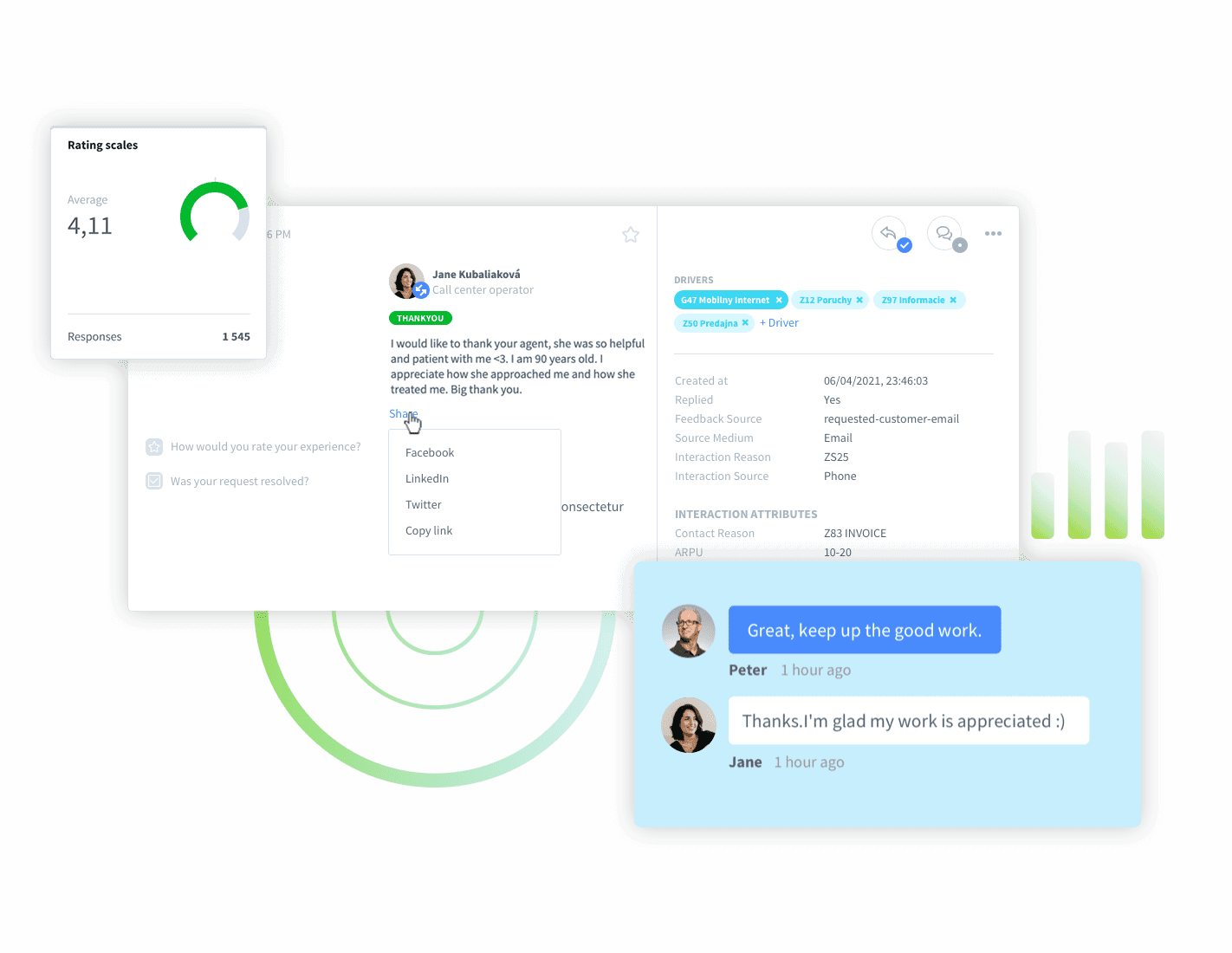
Incentivise behaviours that enhance customer experience and employee engagement at the same time, such as teamwork, innovation, empathy, and problem-solving.
By focusing on employee experience and customer experience alignment, you build a culture where both customers and employees feel valued and heard.
CX vs EX: What’s the Difference?
While CX and EX share similarities, they also have distinct focuses:
Category | Customer Experience (CX) | Employee Experience (EX) |
Focus | Customers’ perceptions and interactions | Employees’ perceptions of their work |
Goals | Satisfaction, loyalty, brand advocacy | Engagement, retention, productivity |
Metrics | eNPS, engagement score, turnover | |
Channels | Website, apps, support calls, in-store | Onboarding, team meetings, internal tools |
Impact | Revenue, referrals, customer lifetime value | Innovation, efficiency, service quality |
Understanding the employee vs customer experience dynamic helps leaders prioritise the right initiatives across both areas.
Why Is Employee Experience Important for Customer Experience?
The employee experience CX link is a critical driver of business success. Employees who feel valued and engaged are more likely to:
- Deliver empathetic, high-quality customer service
- Go the extra mile for customers
- Stay with the company longer, reducing turnover
- Share valuable insights about customer needs
For companies aiming to create a culture of exceptional customer and employee experience, investing in EX leads to a competitive advantage.
How Staffino Helps You Manage CX and EX Under One Roof
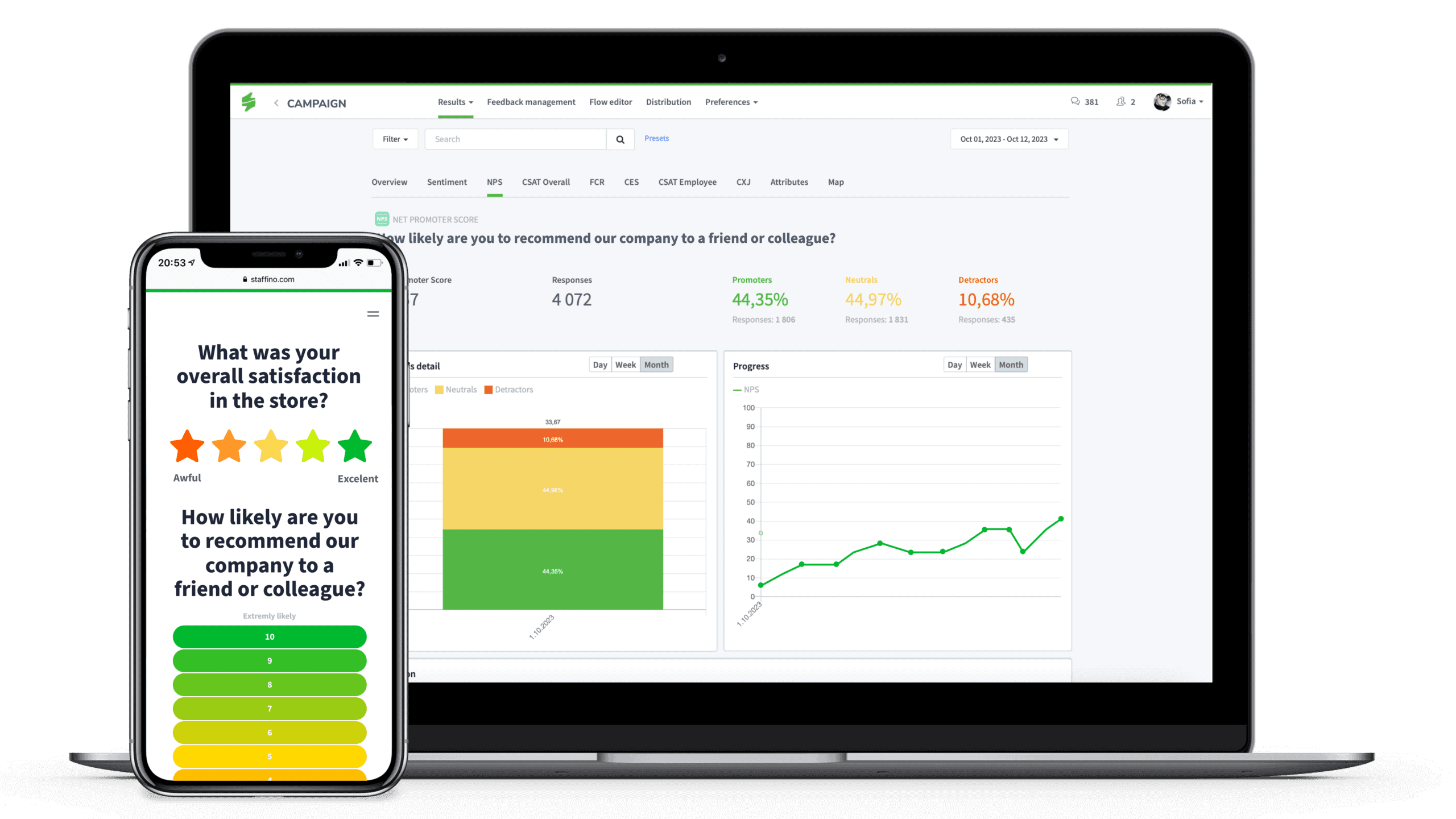
Staffino is a powerful customer and employee experience management platform designed to help companies gather, analyse, and act on both customer and employee feedback. Unlike traditional survey tools, Staffino provides:
- Dedicated CX and EX feedback modules
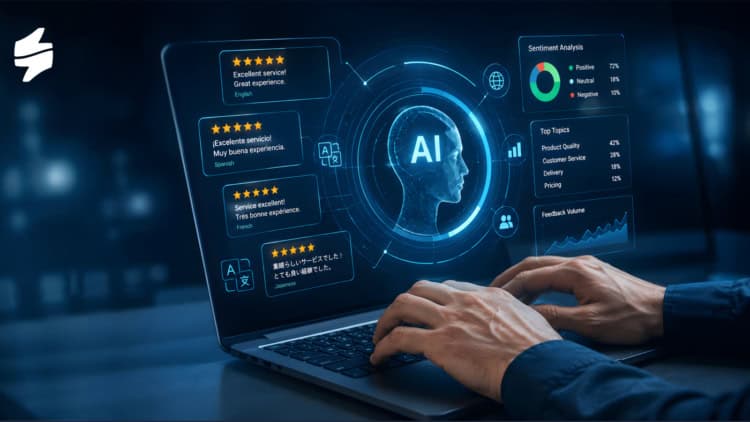
- AI-powered feedback analysis for both customer and employee feedback
- Real-time sentiment analysis and performance dashboards
- Integrated employee recognition tools to reward frontline employees in real time
- Smart alerts to detect emerging issues in experience data
Closed-loop feedback system to act on issues fast and keep customers/employees loyal

With Staffino, you can align customer and employee experience strategies, close the loop on feedback, and foster a culture of continuous improvement.
Whether you’re tracking NPS, collecting open-ended employee feedback, or identifying service pain points, Staffino ensures that both CX and EX data are connected, visible, and actionable.
Final Thoughts: Bridging the EX vs CX Divide
The gap between CX and EX is closing, and that’s a good thing. Today, companies realise that customer experience and employee engagement are interwoven. If you neglect one, the other will suffer. But when both are nurtured together, you unlock exponential value for your brand.
To stay competitive, one must move from a siloed approach to a unified one, bringing CX and EX under one strategic roof. Experience management platforms like Staffino make it not only possible, but scalable.
EX and CX are no longer two separate conversations. They’re part of the same story, and your customers and employees are co-authors.
Start improving customer and employee experiences today! Try our free demo below.
Get a First-Hand Experience Today!
Staffino is the perfect tool for creating engaging surveys, tracking performance, responding to customer feedback, and rewarding top employees. Get started today with our FREE demo!
FAQ
CX stands for customer experience, EX stands for employee experience. Both reflect how people perceive and interact with your brand, externally and internally.
CX stands for customer experience, which refers to the overall perception a customer has of your brand based on every interaction across the customer journey, including sales, support, product use, and post-purchase communication.
EX stands for employee experience, which is the sum of all interactions an employee has with an organisation, from onboarding to daily work, communication, management, and professional development.
Engaged, satisfied employees are more likely to deliver excellent customer service. A strong EX directly improves CX outcomes.
By creating shared goals, gathering feedback from both groups, empowering staff, and breaking down internal silos.
EX focuses on the internal employee journey; CX focuses on the external customer journey. Both are essential for brand success.
To improve both CX and EX, organisations should regularly collect and act on customer and employee feedback, empower employees with training, tools, and recognition, break down silos between departments and align goals, foster a culture of transparency, empathy, and service excellence, and use experience management XM platforms like Staffino to monitor and optimise CX and EX in real time.
CX and EX programs are structured initiatives designed to monitor, measure, and improve the customer and employee experience. These programs often include surveys (e.g. NPS, eNPS, CSAT, etc.), feedback analysis, experience journey mapping, training and enablement initiatives, and recognition and engagement tools.
XM platforms like Staffino help run integrated customer and employee experience programs that turn insights into actionable outcomes.