


Building a data-driven customer experience framework means systematically collecting, integrating, and analysing customer data to guide decision-making, enable personalisation, and drive predictive CX actions. By connecting experience measurement, analytics, and actionable insights into one structured framework, you can continuously improve customer journeys and achieve measurable business impact.
Customer experience is no longer shaped by intuition or isolated metrics. Leading organisations build structured, data-driven systems that connect customer insights to strategic decision-making. A data-driven customer experience framework provides exactly that: a scalable way to collect, analyse, and act on customer data to improve loyalty, performance, and long-term growth.
In this article, we explore what a customer experience framework is, why data is essential to its success, and how companies can design a customer experience strategy framework that supports measurement, personalisation, and predictive action across the entire customer journey.

Launch Smarter CX with Staffino Core
Start collecting customer feedback, managing responses in real time, and visualising what drives satisfaction. Build experiences that make people come back. All in one core solution.
What Is a Customer Experience Framework?
A customer experience framework is a structured model that defines how an organisation designs, measures, manages, and improves customer interactions across touchpoints. It aligns customer experience strategy, data, technology, and people into a single operating system for customer experience (CX).
Unlike ad-hoc CX initiatives, a customer experience management framework:
- Connects CX goals to business objectives
- Standardises data collection and analysis
- Enables consistent measurement and reporting
- Turns insights into repeatable actions
Well-known models, such as the customer experience framework McKinsey highlight the importance of linking customer journeys, capabilities, and culture. However, modern frameworks must go further by embedding real-time data, analytics, and AI. For a conceptual overview, see this article on Building a Customer Experience Framework on our blog.
Why Data Is the Foundation of a Modern CX Framework
Data is what transforms a framework from a static model into a living system. Without reliable data, CX strategies remain reactive and subjective. With data, they become predictive, personalised, and measurable.
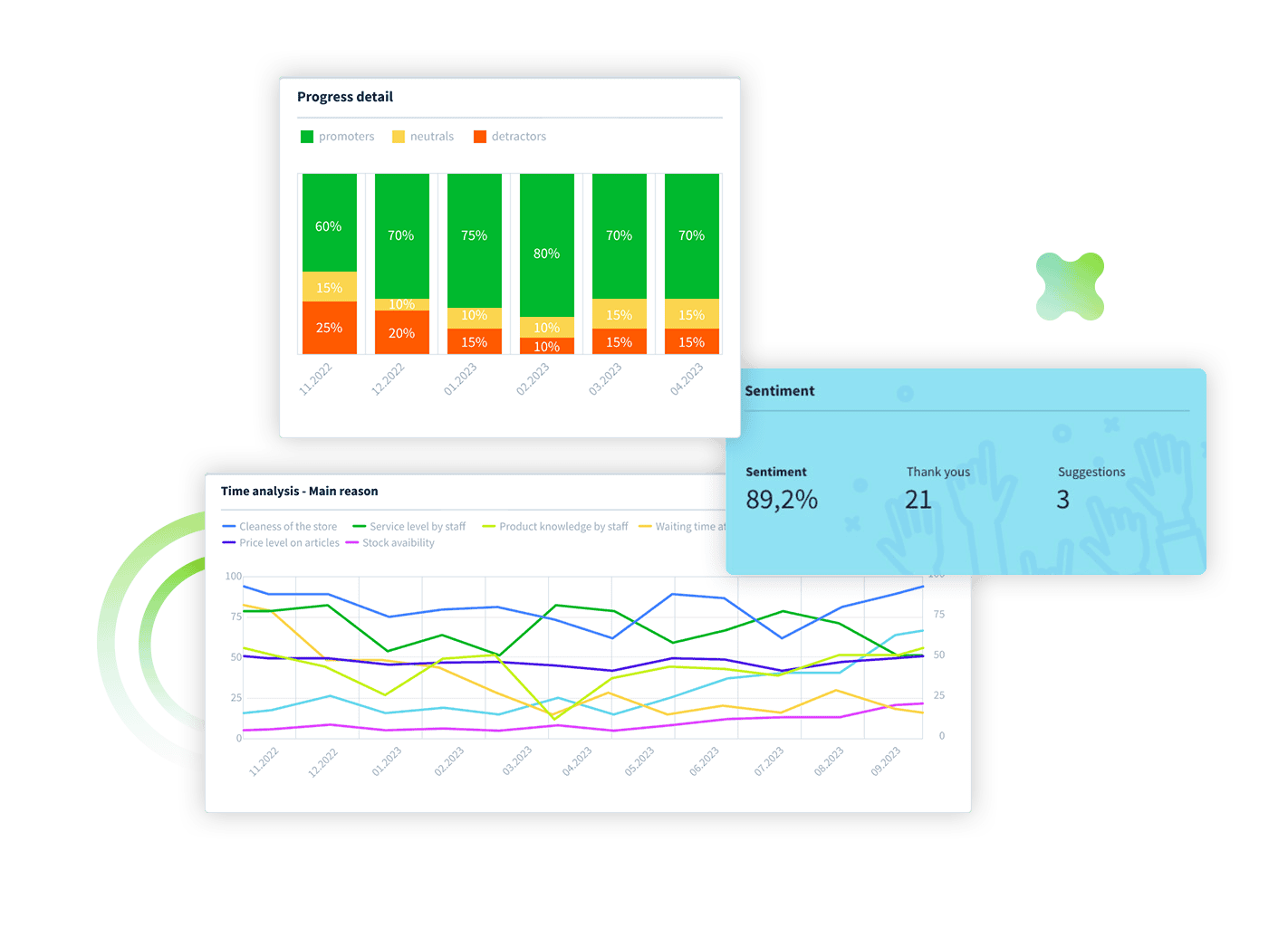
A data-driven customer experience framework enables organisations to:
- Make strategic decisions based on evidence, not assumptions
- Identify experience gaps across channels and locations
- Personalise interactions at scale
- Predict future behaviour and loyalty risks
This is especially critical for executives and CX leaders who must demonstrate ROI and align CX initiatives with revenue, retention, and operational performance.
Core Components of a Data-Driven Customer Experience Framework
While frameworks vary by industry and maturity, most successful implementations share four essential components.
1. Data Collection: Capturing the Voice of the Customer
The foundation of any customer experience measurement framework is consistent, high-quality data collection. This typically includes:
- Customer satisfaction surveys across key touchpoints (CSAT)
- Measuring relationship metrics such as NPS and CES
- Collecting qualitative, open-ended feedback and comments
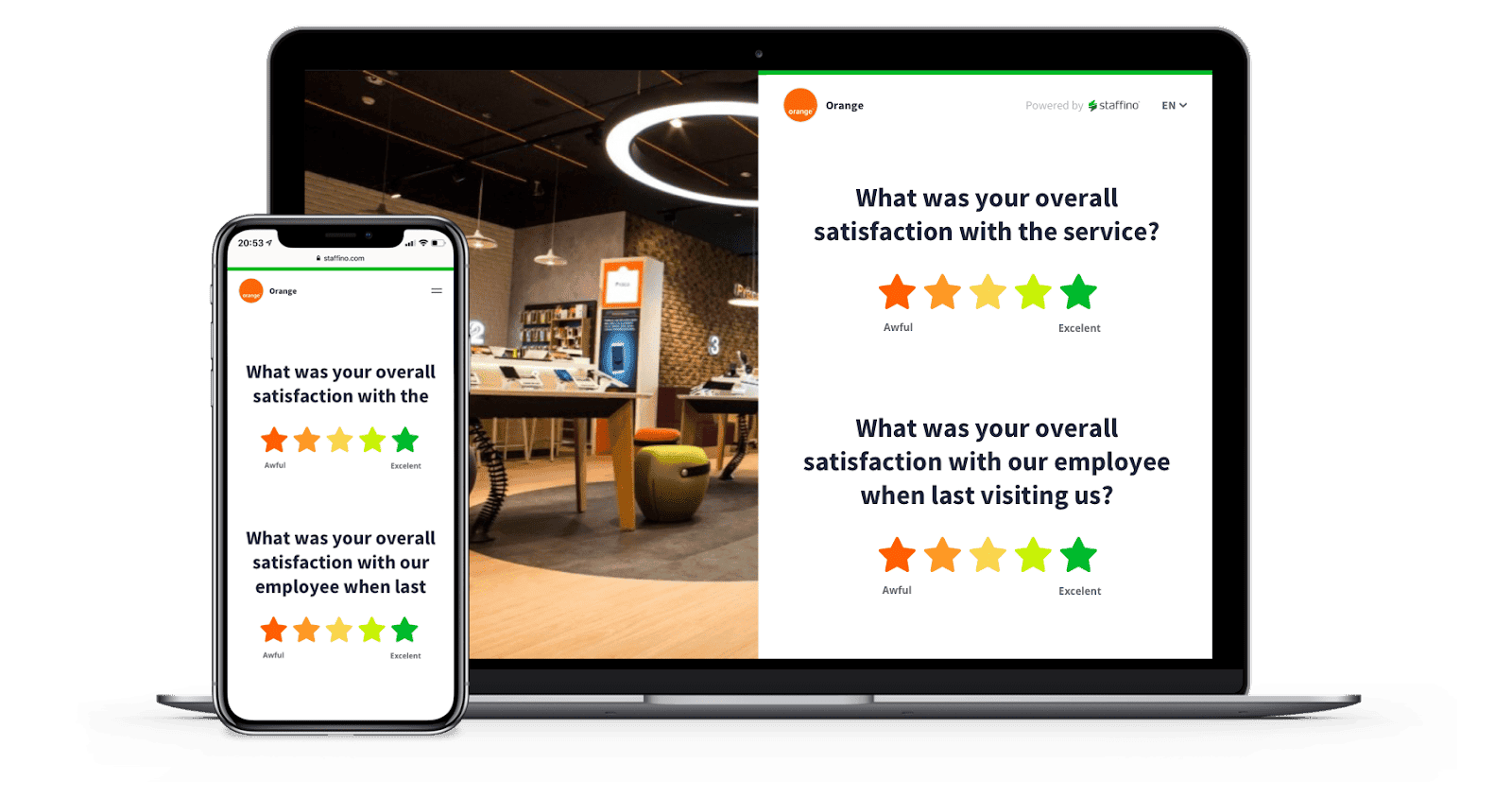
Effective frameworks treat customer surveys not as standalone exercises, but as part of an always-on listening strategy integrated into daily operations. For practical guidance, see our article on How to Measure Customer Experience Metrics.
2. Analytics: Turning Data into Meaning
Raw data has limited value without interpretation. Analytics connects experience signals to outcomes, uncovering patterns that drive decision-making.
Key analytics capabilities include:
- Trend and root-cause analysis
- Segmentation by customer, location, or journey stage
- Experience-performance correlations
- Predictive analytics and AI-driven insights
For more details, see our article on Customer Experience Analytics.

Let AI Handle the Heavy Lifting in CX
With Staffino’s AI, you can respond with empathy at scale, understand customer feedback faster, boost upsell, and make smarter decisions with almost no effort.
3. Reporting: Making Insights Accessible
Insights only drive change when they are visible and understandable. Reporting within a customer experience strategy framework should be:
- Role-based (executives, managers, frontline teams)
- Visual and intuitive
- Linked to clear KPIs and benchmarks
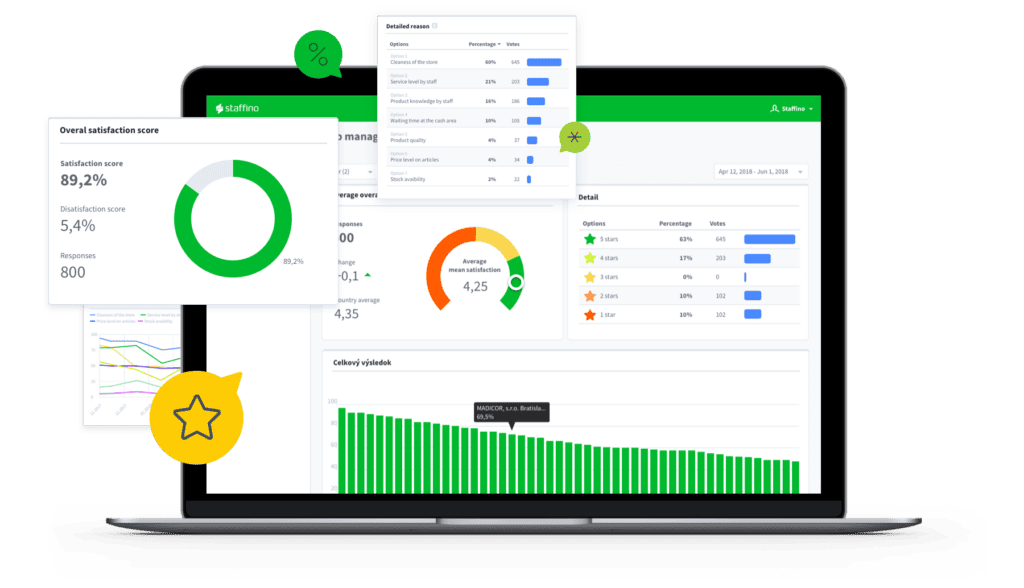
CX dashboards and reports serve as the connective tissue between customer experience data and action, enabling faster, more confident decisions at every level.
4. Actionable Insights: From Measurement to Impact
The final and most critical component is action. A strong customer experience design framework defines how insights lead to:
- Process improvements
- Customer service coaching initiatives
- Personalised customer engagement
- Predictive interventions for loyalty and retention
This is where frameworks move beyond measurement into experience orchestration.
Integrating CX Data from Multiple Sources
Modern CX does not live in a single system. A scalable customer experience management framework integrates multiple data sources to create a unified, actionable view of the customer.
Data Source | Type of Data Collected | Role in a Customer Experience Framework |
Customer profiles, interaction history, transaction data | Provide customer context and lifecycle visibility across touchpoints | |
CEM Platforms | Experience metrics, feedback, customer experience surveys | Capture the voice of the customer and identify experience gaps |
AI Agents and Automation Tools | Conversational data, intent signals, and customer sentiment analysis | Reveal real-time needs, friction points, and emerging experience risks |
Operational and Performance Systems | Process KPIs, service levels, and employee performance metrics | Connect experience outcomes with operational execution |
By unifying these data sources, companies gain a holistic view of the customer journey, enabling smarter decision-making, deeper personalisation, and predictive actions. This integration is a core principle behind advanced customer experience framework examples used by mature CX organisations.
How a CX Framework Supports Decision-Making, Personalisation, and Prediction
A well-designed CX framework acts as a decision engine.
Strategic Decision-Making
Executives use CX insights to prioritise investments, redesign journeys, and align CX initiatives with business goals.
Personalisation at Scale
Data-driven frameworks enable tailored communication, offers, and service based on behaviour, preferences, and experience history, a key driver of loyalty.
Predictive Actions
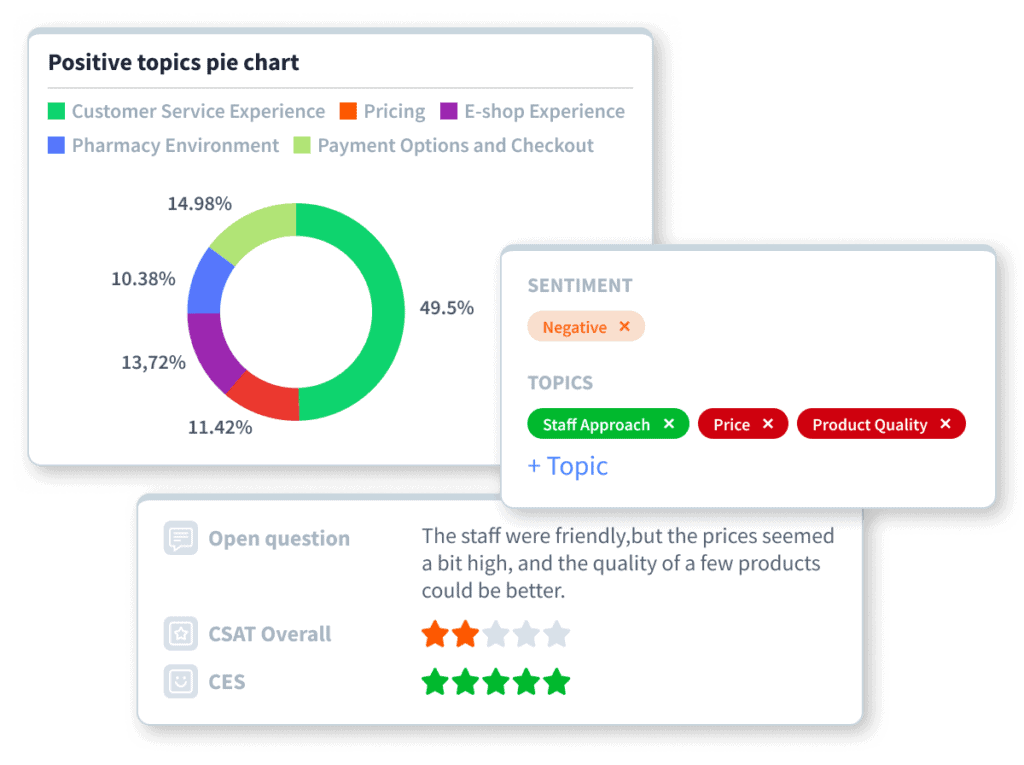
By embedding AI customer feedback analytics and predictive analytics, frameworks can anticipate churn, dissatisfaction, or upsell opportunities before they occur. This predictive capability is central to a customer experience loyalty framework, where customer retention is driven by anticipation rather than reaction.
Best Practices for Creating a Customer Experience Framework
Companies building or refining their framework should follow several best practices:
1. Start with Clear Business and CX Objectives
A successful customer experience framework begins with clearly defined business and CX goals. These objectives ensure that experience initiatives support measurable outcomes such as retention, revenue growth, or operational efficiency, rather than existing in isolation.
2. Define Ownership and Governance Early
Clear ownership is essential for turning insights into action. Establishing governance models early helps avoid fragmented responsibilities and ensures accountability across teams, regions, and touchpoints within the customer experience management framework.
3. Standardise Metrics and Data Collection Methods

Consistency in measurement is critical for comparability and scale. Standardised CX metrics, customer surveys, and data collection methods enable reliable benchmarking and make customer experience data actionable across the organisation.
4. Integrate CX Data into Daily Operations
Customer experience insights should inform everyday decisions, not just quarterly reviews. Integrating CX data into frontline workflows, management dashboards, and operational processes ensures the framework drives continuous improvement.
5. Continuously Refine the Framework Based on Insights
A customer experience framework is never finished. Ongoing analysis, feedback, and performance tracking allow organisations to refine models, adjust priorities, and evolve the framework as customer expectations and business needs change.
Many organisations accelerate this process by using a customer experience framework template, which provides structure while allowing flexibility for industry-specific and organisational requirements.
Tools and Platforms That Enable CX Frameworks
Technology plays a critical role in operationalising CX frameworks. A modern customer experience management platform supports:
- Customer survey management and automation
- Advanced analytics and AI
- Real-time alerts and insights
- Performance tracking and benchmarking
For an overview of CXM platform capabilities, see Customer Experience Management Platform: Essential Guide.
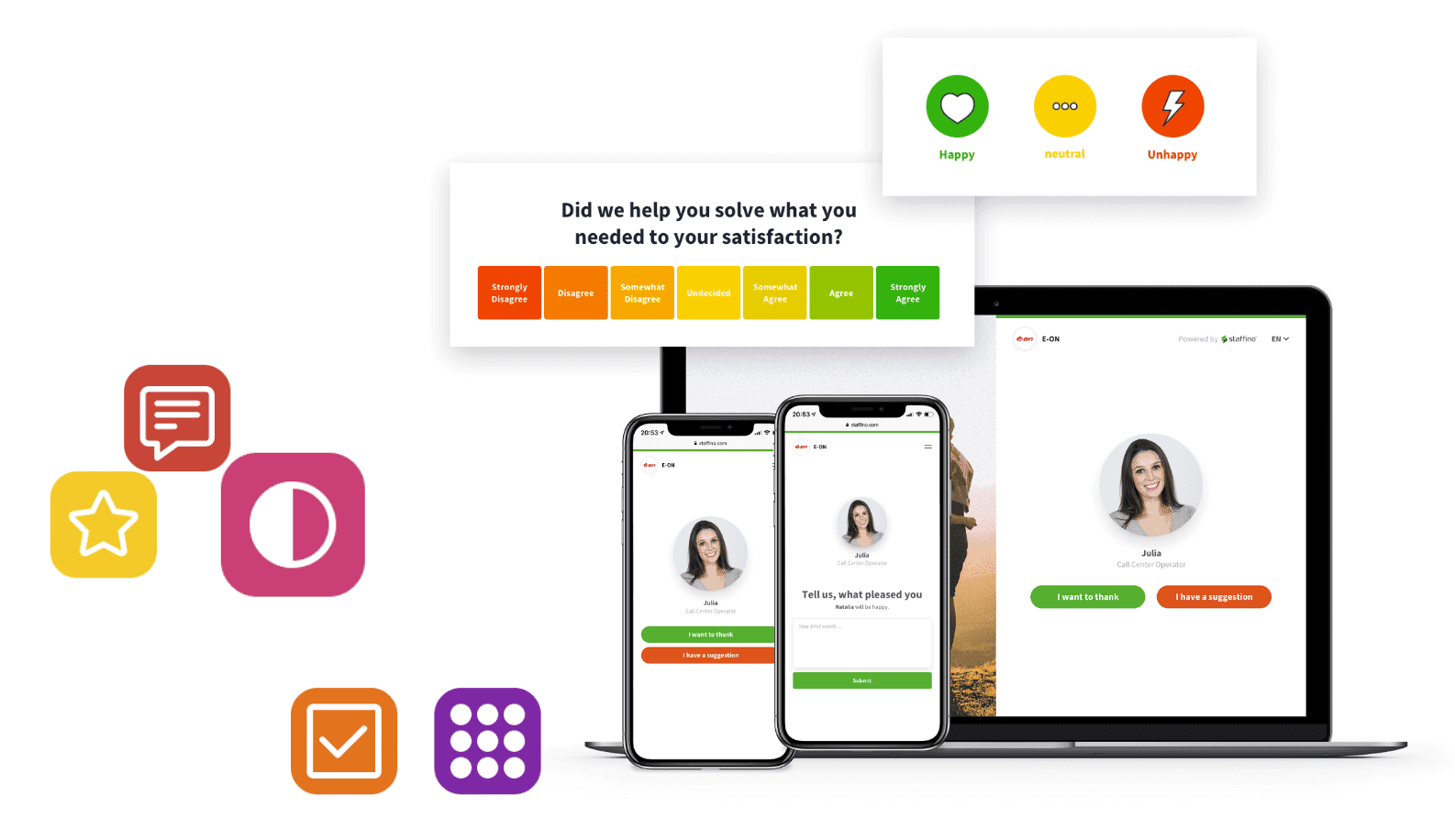
Staffino’s Customer Experience Strategy & Roadmap service can help you create a structured, data-driven framework that guides organisations from assessment to execution, connecting insights to measurable impact.

Build a CX Strategy That Works for You
Whether you're just starting or ready to level up, we’ll help you build a CX strategy that works. Define goals, align with your business metrics, and get a clear roadmap to make CX your growth engine.
Build a CX Framework That Drives Transformation
Creating a data-driven customer experience framework is not a one-time project. It is an ongoing capability that supports experience design, execution, and evolution. Companies that succeed view CX frameworks as strategic assets, enabling smarter decisions, deeper personalisation, and sustained loyalty.
Start creating your customer experience framework with Staffino today!
FAQ
A customer experience framework is a structured model that defines how an organisation designs, measures, manages, and improves customer interactions across all touchpoints. A data-driven customer experience framework connects strategy, data, analytics, and action to deliver consistent and measurable CX outcomes.
A customer experience framework provides clarity and consistency in CX decision-making. It helps organisations align customer experience strategy with business goals, standardise measurement, and turn customer insights into actionable improvements across teams and channels.
Best practices include defining clear business and CX objectives, establishing ownership and governance, standardising metrics and data collection, integrating CX data into daily operations, and continuously refining the framework based on insights and performance data.
Creating a customer experience framework starts with assessing current CX maturity and customer journeys. Organisations then define goals, select experience metrics, design data collection and analytics processes, and establish action loops that turn insights into improvements.
A customer experience framework uses data from customer experience surveys, CRM systems, CEM platforms, AI-driven conversational tools, and operational performance systems. Integrating these sources enables a holistic view of the customer and supports personalisation and predictive actions.
A customer experience measurement framework defines how customer experience is measured, analysed, and reported. It typically includes metrics such as CSAT, NPS, CES, customer satisfaction surveys, and qualitative feedback, linked to operational and business KPIs.
Yes, many organisations use customer experience framework examples or templates to accelerate implementation. A customer experience framework template provides structure while allowing flexibility to adapt to industry-specific needs and organisational maturity.