
The retailers with the best customer experience include Sephora, Lush, Dr. Max, JYSK, Decathlon, Costco, Zara, IKEA, Rituals, and Zalando. These top CX retail brands stand out thanks to their focus on personalisation, omnichannel convenience, strong loyalty programs, and data-driven customer insights. By combining innovative technologies with consistent service across stores and digital channels, these companies have become retail customer satisfaction leaders delivering the best shopping experience 2026 has to offer.
The best retailers for customer experience understand that great CX is no longer just about friendly service in stores. It now includes digital convenience, data-driven personalisation, frictionless returns, loyalty ecosystems, and intelligent automation powered by AI.
Companies that successfully combine these elements are emerging as retail customer satisfaction leaders and defining the best shopping experience 2026 has to offer.
In this article, we explore the top CX retail brands, examine their strategies, and highlight what other retailers can learn from their approach.

Ready-Made XM Solutions for Your Industry
Looking for Experience Management solutions for a particular industry or team within your company? Staffino's got you covered! Check out our comprehensive XM solutions and find the right fit for your business.
Retail CX Trends in 2026: Why Customer Experience Matters More Than Ever
Retail has shifted from product-centric competition to experience-driven differentiation. Today, customer experience is one of the most powerful drivers of loyalty and revenue.
Several trends define today’s retail CX:
- Omnichannel commerce – Customers move fluidly between online and offline channels.
- Hyper-personalisation – AI enables tailored product recommendations and targeted promotions.
- Customer feedback loops – Real-time insights drive continuous improvement.
- Data-driven decision making – Retailers rely on CX analytics to optimise operations and service quality.
- Experience-focused loyalty programs – Rewards now extend beyond discounts.
According to industry research, companies that prioritise CX can achieve revenue growth rates 4–8% higher than their competitors.
The following retailers stand out as some of the best retailers for customer experience thanks to their innovative strategies and strong focus on customer satisfaction.
Top 10 Retail Customer Satisfaction Leaders
Across the global retail landscape, several companies stand out for their ability to consistently deliver seamless customer experiences. These organisations combine omnichannel convenience, personalisation, strong brand identity, and customer feedback systems to create shopping journeys that keep customers returning.
The following companies represent some of the best retailers for customer experience in 2026 and continue to set the benchmark for retail customer satisfaction leaders.
Retailer | Industry | Key CX Strength | Notable Strategy |
Sephora | Beauty retail | Personalisation | AI-powered beauty profiles and tailored product recommendations |
Lush | Cosmetics | Experiential retail | Hands-on product testing and sensory in-store experiences |
Dr. Max | Pharmacy retail | Healthcare-focused CX | Digital services and structured customer feedback systems |
JYSK | Home and furniture | Omnichannel consistency | Seamless integration of online shopping and store experience |
Decathlon | Sporting goods | Customer accessibility | In-store product testing and innovation at affordable prices |
Costco | Wholesale retail | Customer trust | Transparent pricing and strong membership loyalty |
Zara | Fashion retail | Fast response to trends | Data-driven supply chain and agile merchandising |
IKEA | Home furnishings | Customer journey design | Integrated digital planning tools and immersive stores |
Rituals | Beauty and lifestyle | Emotional brand experience | Store environments focused on relaxation and rituals |
Zalando | Fashion e-commerce | Digital convenience | Personalised recommendations and frictionless returns |
Although these retailers operate in different sectors, from pharmacy retail to fashion and home furnishings, they share a common commitment to customer-centric innovation. Each of them has developed a unique approach to delivering a great shopping experience while maintaining strong loyalty and customer engagement.
Customer Experience Strategies Behind the Top Retail
While the table above provides a high-level overview, each of these retailers has developed a distinctive approach to customer experience. Their strategies illustrate how different sectors can deliver the best shopping experience by focusing on customer needs, personalisation, and seamless service.
1. Sephora: Personalisation Through Beauty Technology

Sephora has become one of the best retailers for customer experience largely because of its advanced personalisation capabilities. The brand blends physical retail with digital tools to create a tailored shopping journey for every customer.
One of Sephora’s most notable innovations is its use of AI-driven beauty profiles and virtual try-on technology. Customers can receive product recommendations based on their skin tone, preferences, and purchase history. The Sephora mobile app and customer loyalty program also allow the brand to provide targeted promotions and product suggestions.
This strategy has helped Sephora maintain high customer engagement and loyalty. The company’s Beauty Insider program has tens of millions of members globally, making it one of the most successful loyalty ecosystems in retail.
2. Lush: Experiential and Sensory Retail

Cosmetics retailer Lush stands out among top CX retail brands for its immersive in-store experiences. Rather than focusing on traditional product displays, Lush encourages customers to interact directly with products through demonstrations, consultations, and hands-on testing.
Store employees play a crucial role in delivering this experience. Staff members are trained to engage customers in conversations about ingredients, sustainability, and product benefits. This personalised interaction transforms the shopping process into a memorable brand experience.
Lush’s commitment to ethical sourcing and environmentally responsible packaging also resonates strongly with its customer base, reinforcing trust and long-term loyalty.
3. Dr. Max: Patient-Centred Pharmacy Experience

Pharmacy retailer Dr. Max has established itself as a retail customer satisfaction leader in the healthcare retail sector. Operating across several European markets, the company focuses heavily on accessibility, service quality, and patient trust.
A key component of Dr. Max’s CX strategy is the integration of digital services with physical pharmacies. Customers can manage prescriptions, receive health advice, and access online consultations through digital platforms while still benefiting from professional in-store support.
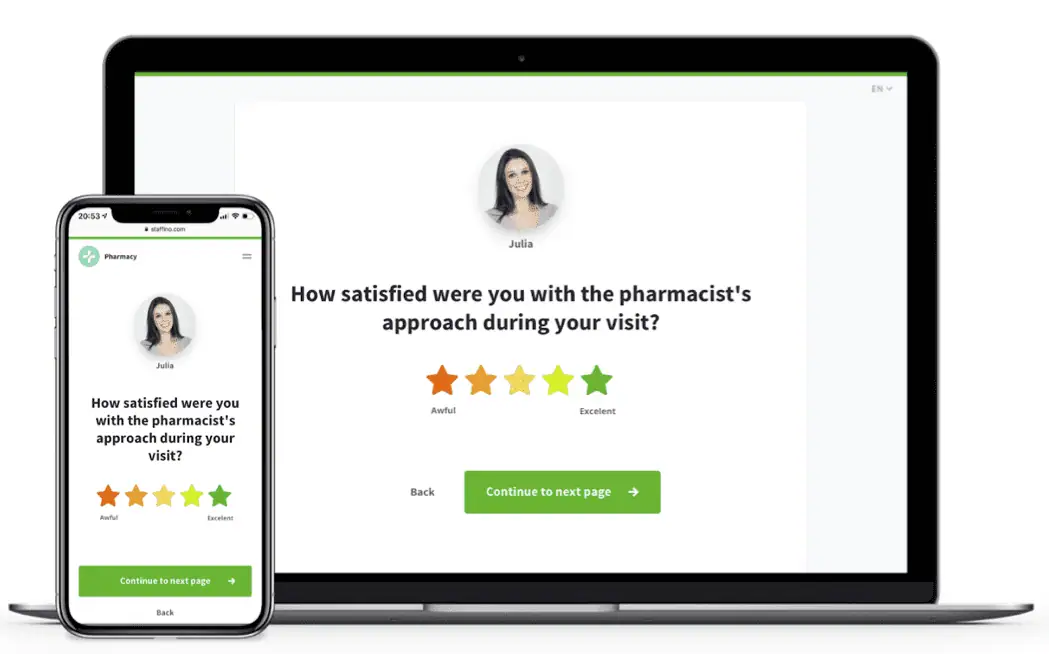
Another important element is the systematic collection of customer feedback through Staffino. By analysing patient and customer experiences in real time, the company can continuously improve service processes and identify opportunities to enhance care.
4. JYSK: Consistent Omnichannel Retail Experience

Home furnishing retailer JYSK has successfully implemented a strong omnichannel strategy that connects its online and physical retail environments. Customers can browse products online, check store availability, and complete purchases through whichever channel they prefer.
The company also places significant emphasis on operational consistency across its international store network. Standardised service processes and employee training ensure that customers receive a similar level of service regardless of the country or store they visit.
This consistent approach has helped JYSK strengthen its reputation as one of the best retailers for customer experience in the European home retail sector.
5. Decathlon: Customer-Centric Product Innovation

Sporting goods retailer Decathlon is widely recognised for its customer-first approach to product development and retail design. The company focuses on making sports equipment accessible to a broad audience by offering high-quality products at affordable prices.
One of Decathlon’s most distinctive CX strategies is its interactive store concept. Customers are encouraged to test products in-store, whether it involves trying bicycles, sports equipment, or outdoor gear. This hands-on approach allows shoppers to experience products before purchasing them.
Decathlon also invests heavily in product innovation through its in-house brands, ensuring that customer feedback directly influences design improvements.
6. Costco: Trust and Loyalty Through Membership

Costco has built its reputation as a retail customer satisfaction leader through a business model centred on trust and transparency. The retailer operates a membership-based system that emphasises long-term relationships with customers.
One of Costco’s defining features is its commitment to limited product selection with strong value. By carefully curating its inventory, the company simplifies the decision-making process for customers while maintaining high product quality.
Costco also enjoys extremely high membership renewal rates, often exceeding 90% in many markets. This strong loyalty reflects the effectiveness of its CX strategy.
7. Zara: Speed and Customer Insight in Fashion Retail

Fashion retailer Zara has transformed the apparel industry through its agile supply chain and data-driven approach to customer experience. The company collects real-time feedback from stores and uses this information to adjust designs, inventory levels, and product assortments.
This rapid response system allows Zara to bring new fashion trends to stores within weeks rather than months. As a result, customers frequently encounter new products during each visit, creating a sense of discovery and excitement.
The integration of digital tools into the in-store experience, such as mobile inventory checks and online ordering, also contributes to Zara’s strong CX performance.
8. IKEA: Designing the Customer Journey

IKEA has long been recognised for its ability to design retail experiences that combine inspiration, practicality, and affordability. Its stores are carefully structured to guide customers through room displays, product inspiration zones, and self-service warehouse areas.
In recent years, IKEA has expanded its CX strategy through digital tools that help customers plan their purchases before visiting a store. Online room planners, augmented reality applications, and integrated e-commerce platforms allow customers to visualise products in their homes.
These innovations help IKEA deliver one of the most comprehensive omnichannel shopping journeys in global retail.
9. Rituals: Emotional Brand Experience

Lifestyle brand Rituals focuses on creating an emotional connection with customers through its unique store atmosphere and product philosophy. Inspired by the concept of transforming everyday routines into meaningful rituals, the brand designs its stores as calm, sensory environments.
Customers are encouraged to test products such as skincare items, fragrances, and home accessories while receiving guidance from trained staff members. This relaxed and immersive environment differentiates Rituals from many traditional beauty retailers.
The company’s strong storytelling and brand identity have helped it build a loyal customer base across Europe and beyond.
10. Zalando: Digital Convenience and Personalisation

Zalando has become one of Europe’s leading fashion e-commerce platforms by focusing on convenience and personalisation. The company offers a vast product selection while maintaining a customer-friendly shopping experience through features such as free returns and flexible payment options.
Personalisation algorithms play a central role in Zalando’s CX strategy. The platform analyses browsing behaviour, purchase history, and style preferences to recommend relevant products to each customer.
Zalando also invests heavily in logistics and delivery infrastructure to ensure fast and reliable service, which is critical for maintaining customer satisfaction in online retail.
What Strategies Do These Retailers Use to Enhance CX?
These retail customer experience leaders continuously refine their strategies to create frictionless shopping journeys. Some of the most effective approaches include:
1. Customer-Centric Store Design
Physical stores remain critical for experience-driven retail. Top brands design stores as experiential spaces rather than traditional product displays. Features include:
- interactive product testing
- expert consultations
- digital screens and guided experiences
2. Fast and Convenient Fulfilment
Delivery experience and speed is now a major CX differentiator. Top retailers offer:
- same-day delivery
- click-and-collect
- easy returns
Convenience strongly influences customer loyalty and repeat purchases.
3. Integrated Loyalty Programs
Retail leaders build long-term relationships through loyalty ecosystems that combine:
- rewards
- exclusive offers
- community experiences
- personalised recommendations
These customer loyalty programs help companies maintain their position among retail customer satisfaction leaders.
How Do They Personalise the Shopping Experience?
Personalisation has become a cornerstone of the best shopping experience 2026. Retailers leverage customer data from multiple touchpoints:
- purchase history
- browsing behavior
- loyalty programs
- location data
- customer surveys
With this information, companies can deliver individualised product recommendations, personalised promotions, customized email and app communication, location-based offers and much more.
The result is a shopping journey that feels tailored to each customer.
Which Channels Do They Use for Omnichannel Support?
The top CX retail brands understand that customers interact with brands through multiple channels. Successful omnichannel customer experience management strategies include:
Online channels: e-commerce websites, mobile apps, live chat support, social media
Offline channels: physical stores, in-store pickup, customer service desks
Hybrid experiences: buy online, pick up in store (BOPIS), mobile checkout, virtual consultations
Retailers like JYSK have successfully integrated these channels, ensuring customers receive the same quality of service whether they shop online or in-store.
How Do Top Retailers Collect and Act on Customer Feedback?
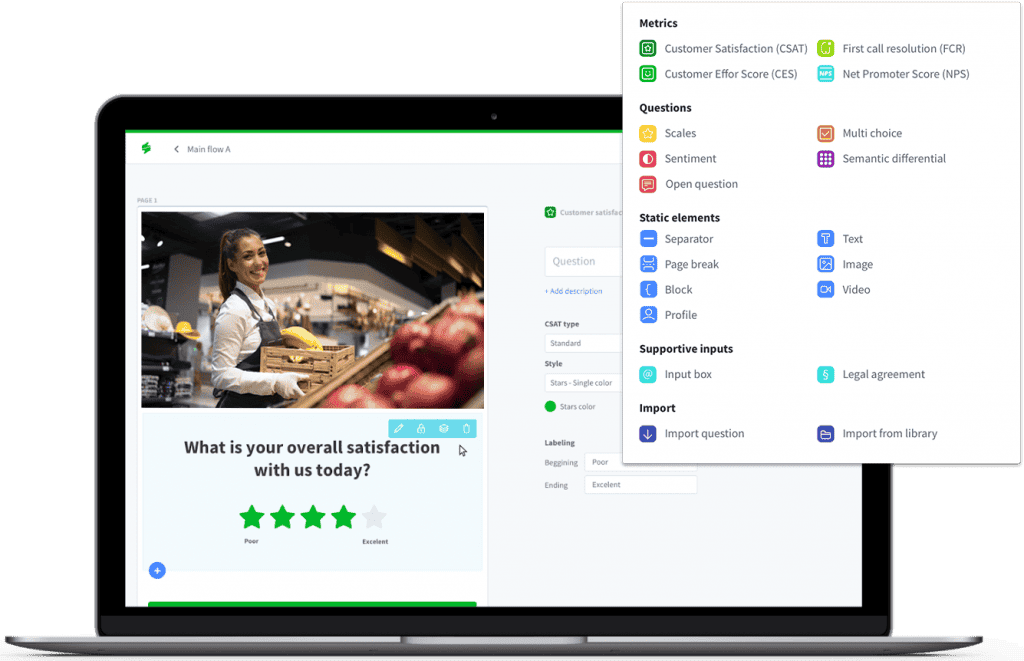
Customer feedback is one of the most valuable tools for enhancing customer experience. Leading retailers actively gather insights through:
- post-purchase customer satisfaction surveys
- in-store feedback kiosks
- mobile app ratings
- customer service interactions
However, the real difference lies in how companies act on this feedback. The ones that lead in customer satisfaction analyse feedback on customer service in real time, identify service gaps quickly, recognise high-performing employees and implement operational improvements based on feedback.
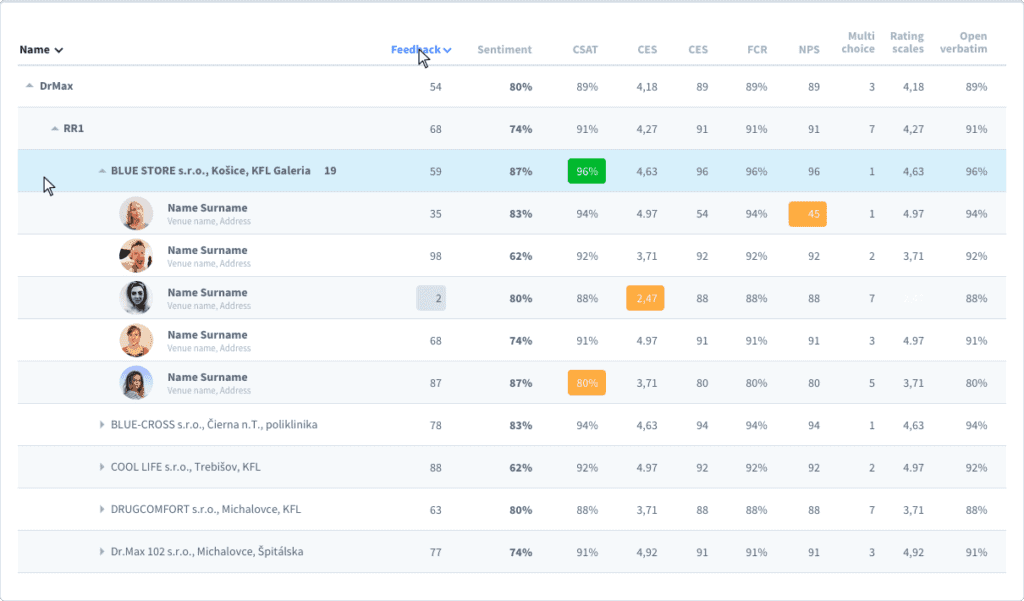
Solutions like Staffino help retailers transform customer feedback into actionable insights, allowing companies to continuously optimise service quality and employee performance.
Retailers such as Dr. Max have successfully used feedback analytics platforms to improve pharmacy customer service and strengthen patient relationships.
What Role Does Technology and AI Play in Their CX?
Technology is one of the biggest drivers behind the shopping experience. AI and advanced analytics enable retailers to automate and optimise many aspects of the customer journey. Key technologies include:
1. AI-Powered Recommendations
Algorithms analyse shopping patterns to recommend relevant products.
2. Chatbots and Virtual Assistants
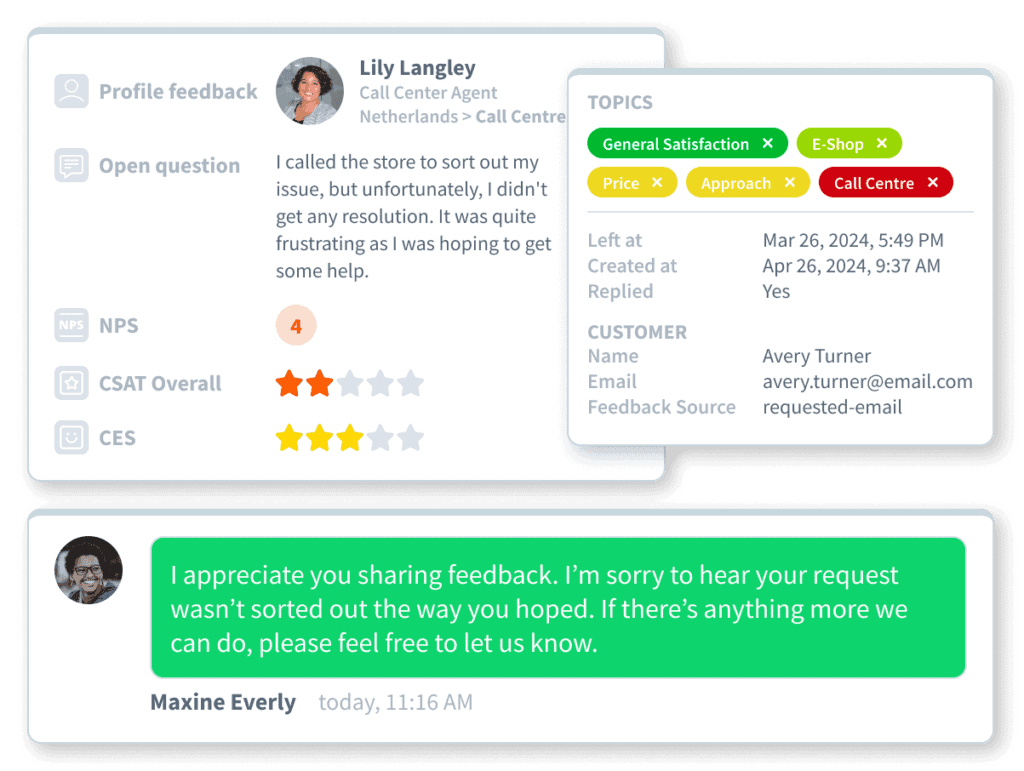
AI-driven customer support handles routine questions, improving response time.
3. Smart Inventory Systems
Real-time stock visibility prevents out-of-stock frustration.
4. Predictive Analytics
Retailers anticipate demand and optimise pricing or promotions.
5. Customer Sentiment Analysis
AI analyses feedback to detect satisfaction trends.
How Do They Maintain Consistency Across Stores and Online?
Consistency is one of the most challenging aspects of omnichannel retail. Customers expect the same level of service regardless of whether they interact with a store employee, a mobile app, or an online support agent.
Retail leaders achieve this through:
1. Standardised CX Processes
Clear service guidelines across all locations.
2. Employee Training
Top retailers ensure continuous customer service training on CX standards.
3. Centralised Data Systems
Customer profiles and purchase histories are accessible across channels.
4. Unified Feedback Systems
Companies track customer experience metrics across the entire retail network.
What Can Other Retailers Learn from Their Approach?
Retailers aiming to improve CX can draw several lessons from these top CX retail brands:
1. Make Customer Experience a Strategic Priority
CX must be embedded in company culture and leadership priorities.
2. Use Data to Understand Customers
Analytics provide insight into customer needs, preferences, and pain points.
3. Empower Employees
Frontline employees significantly impact the customer experience. Recognising and motivating employees improves service quality.

Give Your Employees the Recognition and Motivation They Deserve
Does your team need a little extra motivation? Our platform provides powerful insights into your team’s performance and various recognition tools that help ensure everyone feels appreciated.
4. Act on Customer Feedback Quickly
Real-time feedback allows retailers to fix problems before they escalate.
5. Invest in Technology
AI, automation, and omnichannel systems enable scalable CX improvements.
The Role of Customer Feedback Platforms in Retail CX
One of the most effective ways to improve customer experience is to create a strong feedback loop between customers, employees, and management.
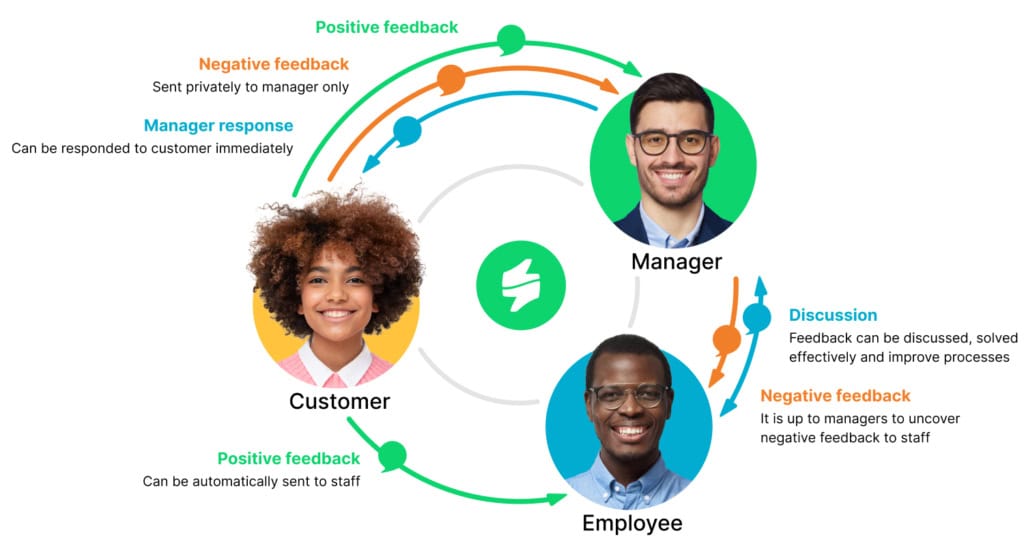
CX platforms such as Staffino enable retailers to:
- collect real-time customer feedback
- identify top-performing employees
- detect service issues quickly
- improve operational decision-making
- boost customer loyalty and revenue
By turning feedback into actionable insights with the help of a customer experience platform, retailers can continuously refine their CX strategy and stay competitive in the evolving retail landscape.
Start Building the Next Generation of Retail Experiences with Staffino Today
In 2026, retail success is increasingly defined by the quality of the customer experience. The retail brands highlighted in this article demonstrate that great CX is not the result of a single initiative but a holistic strategy combining technology, employee engagement, and customer-centric thinking.
Retailers that adopt similar principles will be better positioned to thrive in the highly competitive retail landscape.
If your organisation wants to better understand customer needs, recognise top-performing employees, and transform feedback into measurable business results, explore how Staffino’s retail CX solutions can help.

Get a First-Hand Experience Today!
Staffino is the perfect tool for creating engaging surveys, tracking performance, responding to customer feedback, and rewarding top employees. Get started today with our FREE demo!
FAQ
Customer experience directly influences loyalty, repeat purchases, and brand perception. Retailers that deliver excellent CX often outperform competitors in revenue growth and customer retention.
The best retailers for customer experience typically excel in omnichannel integration, personalised shopping journeys, fast and convenient fulfillment, effective customer feedback management and consistent service quality.
AI helps retailers automate recommendations, predict customer behavior, analyze feedback, and provide faster support through chatbots and virtual assistants.
Customers expect seamless transitions between online and offline shopping. Omnichannel retail ensures consistent service, pricing, and product availability across all channels.
Common metrics include:
- Net Promoter Score (NPS)
- Customer Satisfaction Score (CSAT)
- Customer Effort Score (CES)
- Customer feedback surveys
- repeat purchase rates
The best customer feedback platforms help retailers collect real-time insights, analyse customer satisfaction, and quickly act on feedback. Solutions like Staffino enable companies to connect customer feedback with store performance and employee engagement, helping retailers continuously improve service quality and customer loyalty.
The best customer service in retail combines fast support, personalised interactions, and consistent experiences across online and in-store channels. Retailers that invest in employee training, omnichannel support, and customer feedback systems typically achieve the highest customer satisfaction levels.