

Agentic AI for customer support enables organisations to automate complex service workflows by using autonomous AI agents that can understand customer requests, plan actions, and execute tasks across multiple systems. Unlike traditional chatbots, agentic AI customer support systems can resolve issues end-to-end, checking CRM records, updating accounts, processing refunds, or escalating cases automatically. By implementing AI-driven support workflows, companies can improve response speed, reduce operational costs, and deliver more personalised customer experiences.
Customer support has undergone a dramatic transformation over the past decade. What started with rule-based chatbots and simple ticketing systems has evolved into intelligent automation powered by artificial intelligence.
However, traditional automation has limitations. While chatbots can answer frequently asked questions, they often fail when a customer request requires multiple steps or access to internal systems. This is where agentic AI solutions leading in CX automation are changing the landscape.
Let AI Handle the Heavy Lifting in CX
With Staffino’s AI, you can respond with empathy at scale, understand customer feedback faster, boost upsell, and make smarter decisions with almost no effort.
Instead of simply responding to queries, autonomous AI agents can interpret customer intent, plan actions, and execute multi-step workflows across systems like CRM, order management, and billing platforms.
For organisations looking to scale customer support while maintaining high service quality, AI automation in customer service is becoming a critical competitive advantage.
What Is Agentic AI and How Is It Different from Traditional Chatbots?
To understand the impact of agentic customer support, it is important to distinguish between conventional chatbots and agentic systems.
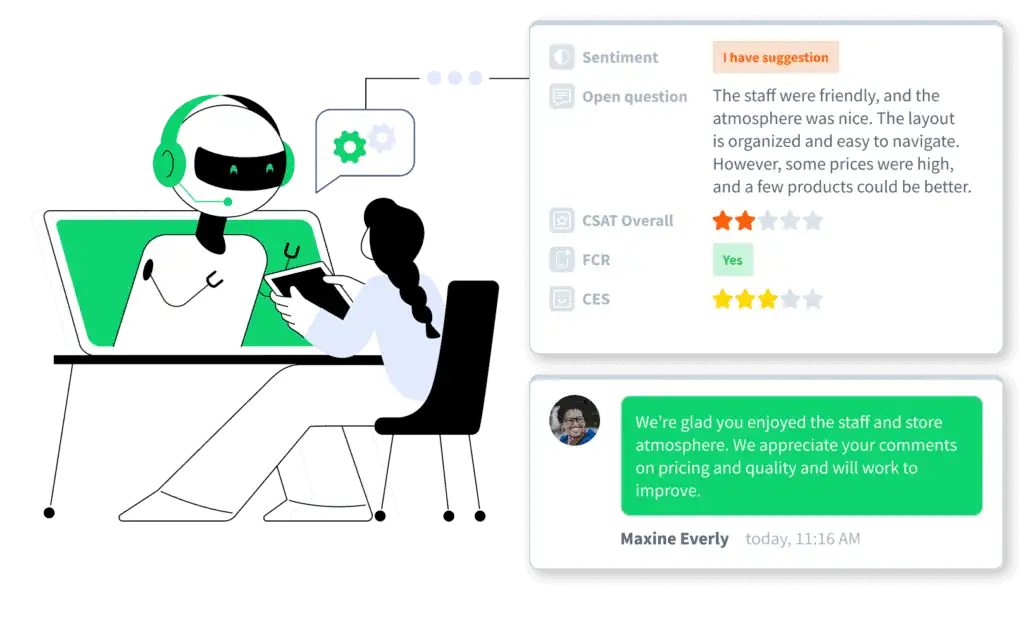
Traditional chatbots operate primarily through predefined rules or scripted responses. They are effective for answering simple queries but struggle with complex or multi-step issues.
In contrast, agentic AI customer support systems are designed to be goal-driven. They can interpret customer intent, break tasks into steps, interact with enterprise tools, and complete actions autonomously.
AI Agent vs Agentic Workflow
Feature | Traditional Chatbot | AI Agent | Agentic Workflow |
Function | Answer predefined questions | Execute individual tasks | Coordinate multiple agents to complete complex workflows |
Decision-making | Limited | Moderate | Advanced planning and reasoning |
System integration | Minimal | Can access some APIs | Deep integration across enterprise systems |
Customer issue resolution | Basic queries | Single task completion | End-to-end problem resolution |
Understanding the difference between ai agent vs agentic workflow helps companies choose the right architecture for their customer support strategy. Chatbots are ideal for simple FAQ scenarios, while AI-driven support workflows enable companies to automate full support journeys.
How Agentic AI Can Handle Customer Inquiries Automatically
One of the most powerful capabilities of agentic AI for customer support is its ability to manage customer issues without human intervention.
These systems follow a cognitive process similar to human agents:
- Understand the request – Identify the intent behind the customer message.
- Plan the resolution – Determine which systems and steps are needed.
- Execute actions – Retrieve data, update records, or trigger workflows.
- Confirm resolution – Provide the final answer or escalate if needed.
For example, when a customer asks to change their delivery address, an agentic system can:
- Verify the customer’s identity
- Check order status in the CRM or OMS
- Update shipping information
- Notify the logistics system
- Send a confirmation message
Traditional chatbots could only provide instructions, but agentic AI customer support can complete the entire process automatically. This ability to execute tasks, not just answer questions, is what makes AI automation in customer service so transformative.
Types of Customer Support Tasks Agentic AI Can Automate
Companies implementing AI-driven support workflows typically start by automating repetitive or operationally complex tasks. These tasks generally fall into three categories.
1. Routine Customer Support Tasks

Routine support interactions represent the majority of customer inquiries. Examples include:
- Order status requests
- Password resets
- Appointment scheduling
- Billing inquiries
- Policy or product questions
These high-volume tasks are ideal for autonomous AI agents because they follow predictable patterns.
2. Predictive Customer Support
More advanced agentic customer support systems can proactively detect issues before customers contact support. Examples include:
- Detecting potential churn based on sentiment analysis
- Predicting service disruptions
- Notifying customers about delivery delays
- Offering proactive troubleshooting
By shifting from reactive support to proactive service, you can significantly improve customer satisfaction.
3. Escalation and Exception Handling
Not every issue should be resolved automatically. Agentic systems can intelligently escalate cases when needed.
Examples include:
- Fraud or security concerns
- High-value customer complaints
- Complex technical problems
- Legal or compliance-sensitive cases
In these situations, the AI prepares the case with full context so human agents can resolve it faster. This collaboration between humans and AI is at the heart of modern agentic AI solutions leading in CX automation.
Integrating AI Agents with CRM, CEM, and Enterprise Systems
The real power of AI automation in customer service emerges when AI agents can interact with enterprise systems. Agentic systems typically integrate with platforms such as:
- CRM systems (customer history and account information)
- CEM platforms (customer experience insights)
- Order management systems
- Billing platforms
- Knowledge bases
- Customer feedback tools
These integrations allow AI-driven support workflows to access relevant data in real time and perform actions across systems to increase customer retention.

Launch Smarter CX with Staffino Core
Start collecting customer feedback, managing responses in real time, and visualising what drives satisfaction. Build experiences that make people come back. All in one core solution.
For example, when a customer reports a billing issue, the agentic workflow may:
- Retrieve account details from the CRM
- Check the invoice history in the billing system
- Identify anomalies
- Issue a refund or adjustment
- Update the support ticket
This level of orchestration is what differentiates agentic AI customer support from traditional automation tools.
Benefits of Agentic AI in Customer Support
Those who adopt agentic AI for customer support typically experience measurable improvements across operational and customer experience metrics.
Faster Response Times
Autonomous agents can process requests instantly and operate 24/7, significantly reducing resolution times. This is crucial for effective customer retention management.
Lower Operational Costs
Automating repetitive support tasks allows human agents to focus on complex or high-value interactions.
Personalised Customer Experiences
Agentic systems can analyse customer history, preferences, and past interactions to deliver more relevant responses.
Higher Customer Satisfaction (CSAT)
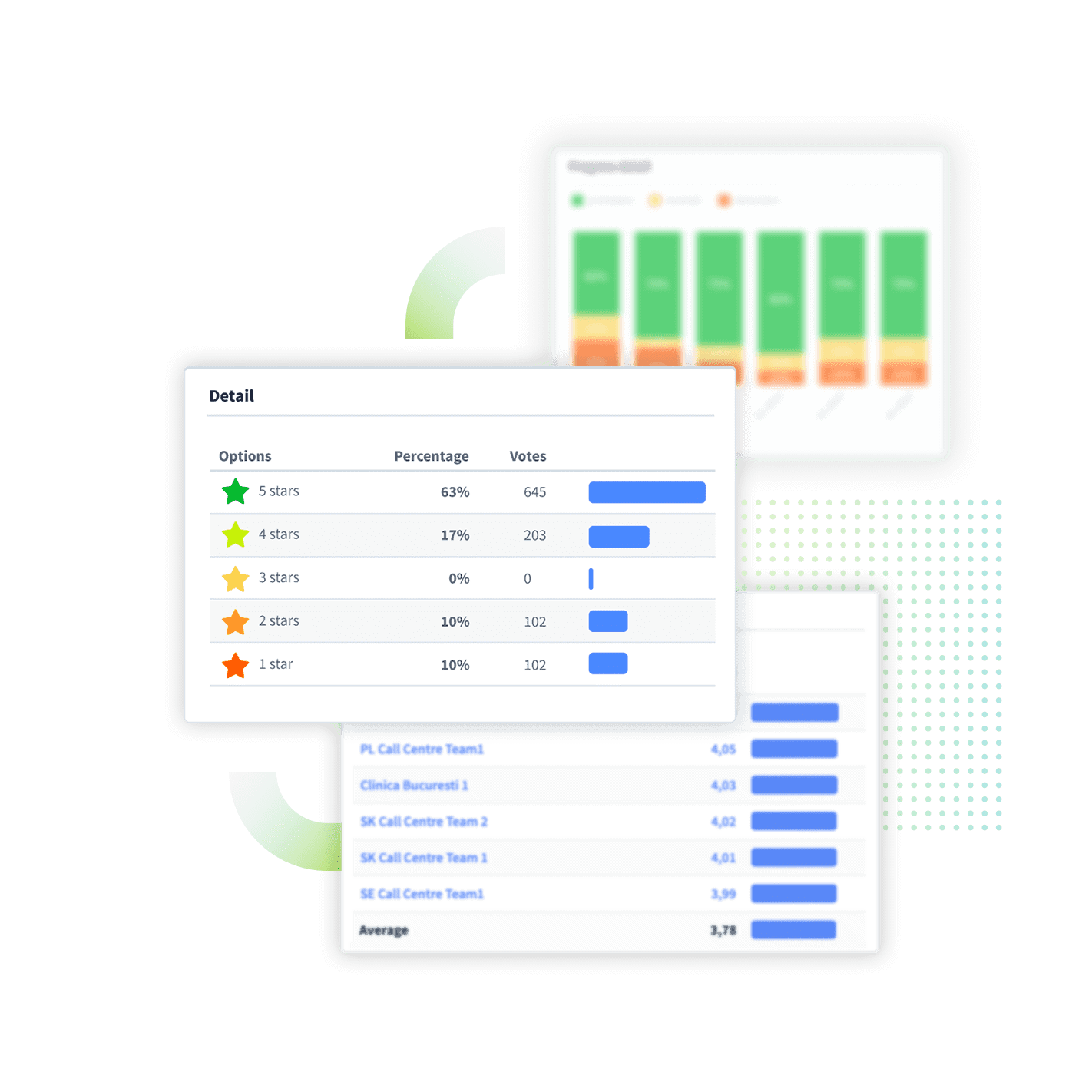
Faster resolution and personalised support enhance customer experience and loyalty.
In many organisations, implementing AI automation in customer service has reduced average handling time while increasing first-contact resolution.
Real Examples of Agentic AI Support Workflows
To better understand AI-driven support workflows, consider several real-world scenarios.
E-commerce Refund Workflow
- Customer requests a refund via chat.
- AI verifies order details.
- Checks eligibility according to company policy.
- Processes refund automatically.
- Sends confirmation email.
Telecom Technical Support Workflow
- Customer reports connectivity issue.
- AI diagnoses network data.
- Runs automated troubleshooting.
- Resets the connection remotely.
- Escalates if the problem persists.
Banking Support Workflow
- Customer reports suspicious transaction.
- AI verifies identity.
- Flags the transaction for fraud review.
- Freezes the account temporarily.
- Notifies the fraud investigation team.
These workflows illustrate how agentic customer support can automate complex operational processes.
Best Practices for Implementing Agentic AI
Organisations implementing agentic AI customer support should follow several best practices to maximise success.
1. Start with well-defined workflows
Begin by automating clearly structured processes with predictable outcomes.
2. Ensure strong system integrations
The effectiveness of AI agents depends heavily on access to reliable data and enterprise systems.
3. Maintain human oversight
AI should augment human agents, not replace them entirely. Complex cases still require human judgment.
4. Continuously train and improve the AI
Feedback loops from customer interactions help improve accuracy and decision-making.
When implemented correctly, agentic AI solutions become a central component of support operations.
How Staffino Helps Global Companies Build AI-Driven Support Workflows
As companies adopt agentic AI for customer engagement, they also need robust systems to monitor customer experience and measure service quality. Advanced CX platforms like Staffino help companies capture customer feedback across support interactions and integrate those insights directly into CX strategies.
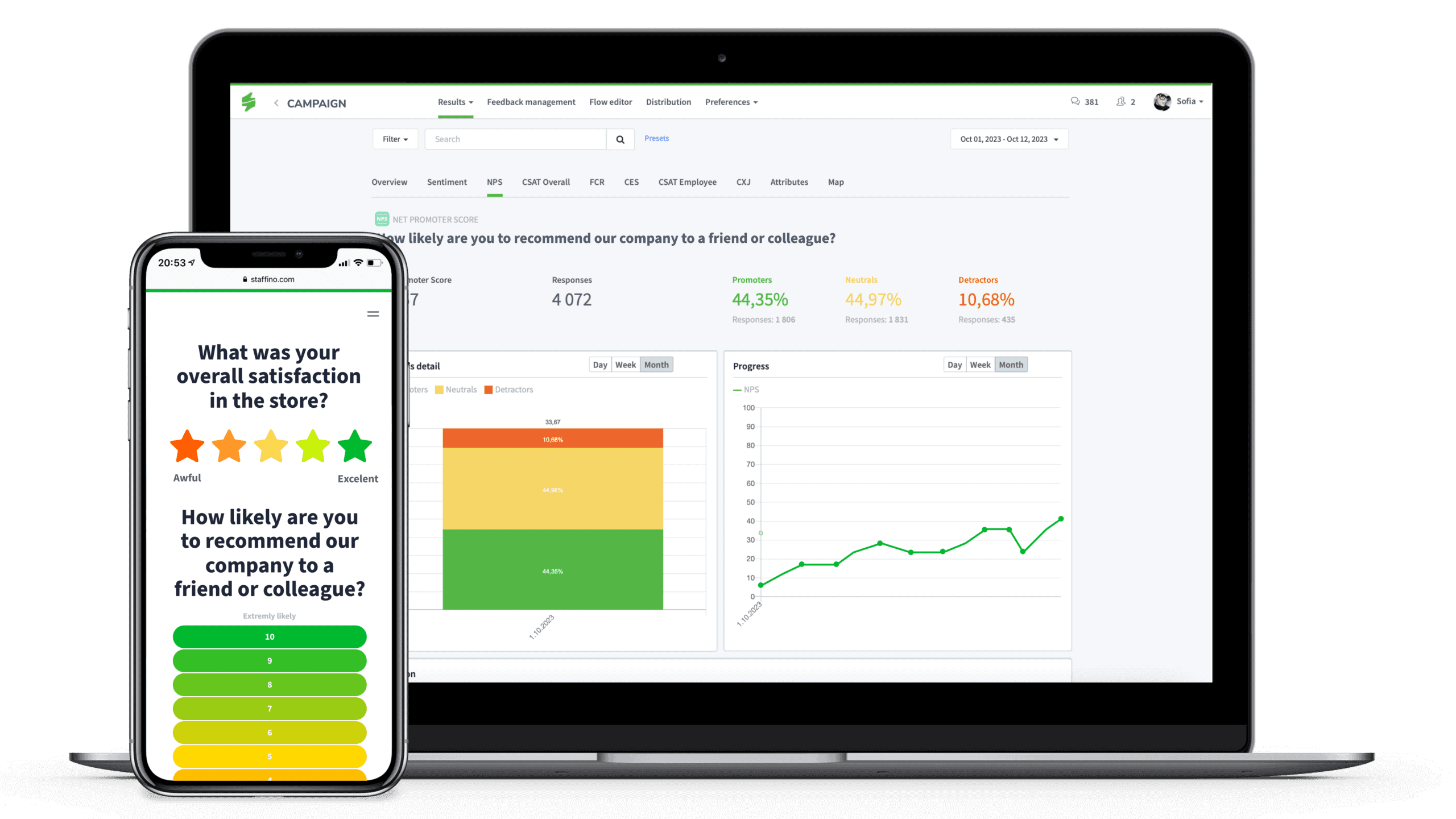
By combining customer feedback data with AI-driven support workflows, Staffino’s clients can:
- Identify recurring service issues
- Measure the impact of automation on customer satisfaction
- Improve support processes continuously
- Optimise AI-driven customer interactions
In addition, Staffino’s CX expertise and consulting services help organisations design feedback strategies that align with automated support environments.
Conclusion
Customer support is entering a new era driven by intelligent automation.
While traditional chatbots improved response times, they were limited in their ability to resolve complex issues. Agentic AI customer support takes automation a step further by enabling autonomous AI agents to plan, execute, and complete multi-step workflows.
By integrating AI agents with enterprise systems and customer data platforms, you can build AI-driven support workflows that deliver faster service, lower costs, and better customer experiences.
If your company is exploring AI automation in customer service, combining intelligent workflows with customer feedback insights is essential. Staffino can help you monitor and improve customer experience across automated and human support interactions. With advanced CX analytics and expert consulting, companies can ensure their agentic customer support strategy delivers measurable business results.
Discover how Staffino can help you turn customer feedback into smarter, AI-powered service experiences. Try our free demo today!

Get a First-Hand Experience Today!
Staffino is the perfect tool for creating engaging surveys, tracking performance, responding to customer feedback, and rewarding top employees. Get started today with our FREE demo!
FAQ
Agentic AI customer support uses autonomous AI agents that can understand customer requests, plan actions, and complete tasks across multiple systems. Unlike traditional chatbots, these systems can resolve issues end-to-end without constant human intervention.
An AI agent typically performs a specific task, while an agentic workflow coordinates multiple AI agents and tools to complete complex, multi-step processes such as resolving customer service requests.
AI automation in customer service reduces response times, automates repetitive tasks, and allows human agents to focus on complex issues. This leads to faster resolutions and improved customer satisfaction.
Agentic AI for customer support can handle customer inquiries automatically by understanding the customer’s request, planning the necessary steps, and executing actions across connected systems. Unlike traditional chatbots, autonomous AI agents can access CRM data, check order status, update account information, or process requests without human intervention. This enables AI-driven support workflows that resolve many customer issues end-to-end while escalating complex cases to human agents when needed.
Agentic AI can automate tasks such as order tracking, refunds, appointment scheduling, troubleshooting, billing adjustments, and support ticket routing.
No. Most organisations use agentic AI customer support to assist human agents by automating repetitive tasks and providing context for complex cases, enabling support teams to focus on higher-value interactions.