

In 2026, improving employee engagement means aligning meaningful work with clear goals, using the right tools, such as employee engagement software, cultivating a culture of feedback, recognition and flexibility, so you truly engage employees, boost staff engagement, and reap benefits across customer experience, productivity and retention.
In a world where hybrid work, AI-driven workflows, and shifting employee expectations redefine the modern workplace, keeping people truly engaged has never been more challenging. Organisations that once relied on perks and pay raises alone now face a workforce that values purpose, flexibility, and employee recognition above all else.
The year 2026 isn’t just about managing employees. It’s about inspiring them. Companies that master employee engagement will not only retain top talent but also unlock innovation, customer loyalty, and sustainable growth. Here’s how to make that happen.

Unlock Your Team's Full Potential with Staffino's EX Products
Our EX platform can help you attract and retain top talent, track employee performance, and improve engagement and productivity – so your team can reach their highest potential.
Why Employee Engagement Matters in 2026?
Why is employee engagement important? Understanding this sets the foundation. When employees feel motivated, valued and aligned with organisational purpose, they:
- are more likely to stay, reducing turnover and the cost of recruitment.
- produce higher-quality output, which means improved productivity.
- become advocates of your organisation, helping drive culture, innovation and even customer outcomes.
How Does Employee Engagement Impact Customer Experience?
The answer is clear: engaged employees deliver better service, which in turn drives better customer outcomes.

Employees who feel connected and supported are more likely to go the extra mile for customers. For example, one source highlights that companies with more engaged workers report higher customer loyalty.
When teams are empowered, have good tools and communication, they handle customer issues more effectively. On the flip side, disengaged employees may lead to inconsistent customer service, higher error rates, and weakened brand trust.
Here are some practical implications for 2026:
- Use your staff engagement initiatives as part of your wider customer experience strategy.
- Monitor not just internal metrics (employee engagement surveys, turnover) but external ones (customer satisfaction, loyalty) to see the whole picture.
- Align front-line employee engagement with how they directly serve customers (training, recognition, feedback loop).

Employee Engagement Strategies for 2026
To drive engagement in modern workplaces, such as hybrid, remote, and flexible ones, here are robust employee engagement strategies to adopt:
1. Clear Purpose, Role Alignment & Meaningful Work
Employees need to understand WHY their work matters. Link individual roles to organisational goals. Purpose-driven work boosts commitment.
2. Frequent Feedback and Recognition
Annual reviews alone don’t cut it. Continuous feedback, peer-to-peer and top-down employee recognition programs help maintain strong engagement.

3. Flexible Work Models & Work-Life Balance
In 2026, flexibility is EXPECTED. Hybrid models, remote options and autonomy over hours support staff engagement and reduce stress.
4. Invest in Professional Development
When employees see growth opportunities, they are more committed. Use training, mentoring, and clear career paths.
5. Leverage Technology & Employee Engagement Software
Modern tools make a difference: they provide data, enable listening, recognise achievements, and support remote teams.
6. Create an Inclusive & Collaborative Culture
Engaging employees also means making them feel heard and valued. Inclusion, belonging, and cross-functional teamwork matter.
What Are the Best Ways to Increase Employee Engagement Without Spending Much?
Budget constraints? We hear you. The good news is that there are low-cost, yet high-impact actions you can take to engage employees:
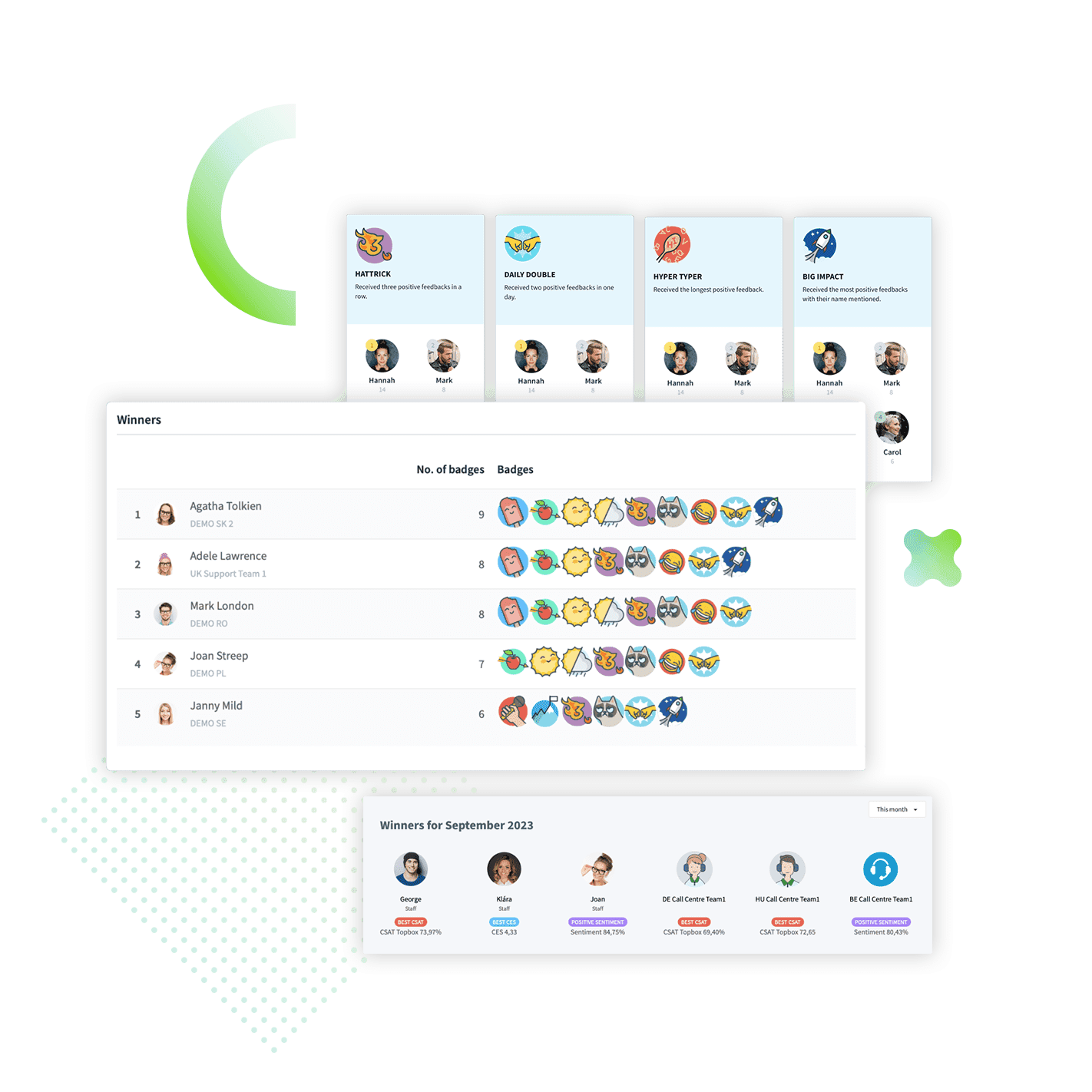
1. Encourage Peer Recognition and Shout-Outs
Leverage internal communication channels (newsletters, meetings, digital boards) to spotlight contributions. Doesn’t cost much but can definitely boost engagement.

Give Your Employees the Recognition and Motivation They Deserve
Does your team need a little extra motivation? Our platform provides powerful insights into your team’s performance and various recognition tools that help ensure everyone feels appreciated.
2. Run Quick Pulse Surveys and Act on Them
Short, frequent employee check-ins can highlight issues early. Showing you act on employee feedback builds trust.
3. Improve Manager-Employee (1-on-1) Conversations
Encourage managers to have meaningful, regular check-ins with team members. They should talk about work, growth, and challenges.
4. Promote Flexible Working Where Possible
If your business allows, giving autonomy over when and where to work signals trust and costs little.

5. Celebrate Non-Monetary Milestones
Celebrate work anniversaries, project completions, and team successes. A rewards and recognition program doesn’t always require a huge budget.
6. Share Transparent Communication
Keep teams in the loop about company direction, changes, and successes. Transparent cultures foster engagement.
7. Use Low-Cost Digital Tools
Even if you don’t have full-blown employee engagement software yet, adopt free or affordable tools like internal chat or peer-recognition plug-ins to support engagement.
These tactics show that you can significantly increase employee engagement without major investment, especially when combined with clear intent and consistent action.
The Role of Employee Engagement Software in 2026 Staff Engagement
Today’s organisations increasingly incorporate technology to improve employee experience and engagement. Let’s unpack how employee engagement software fits into the picture:
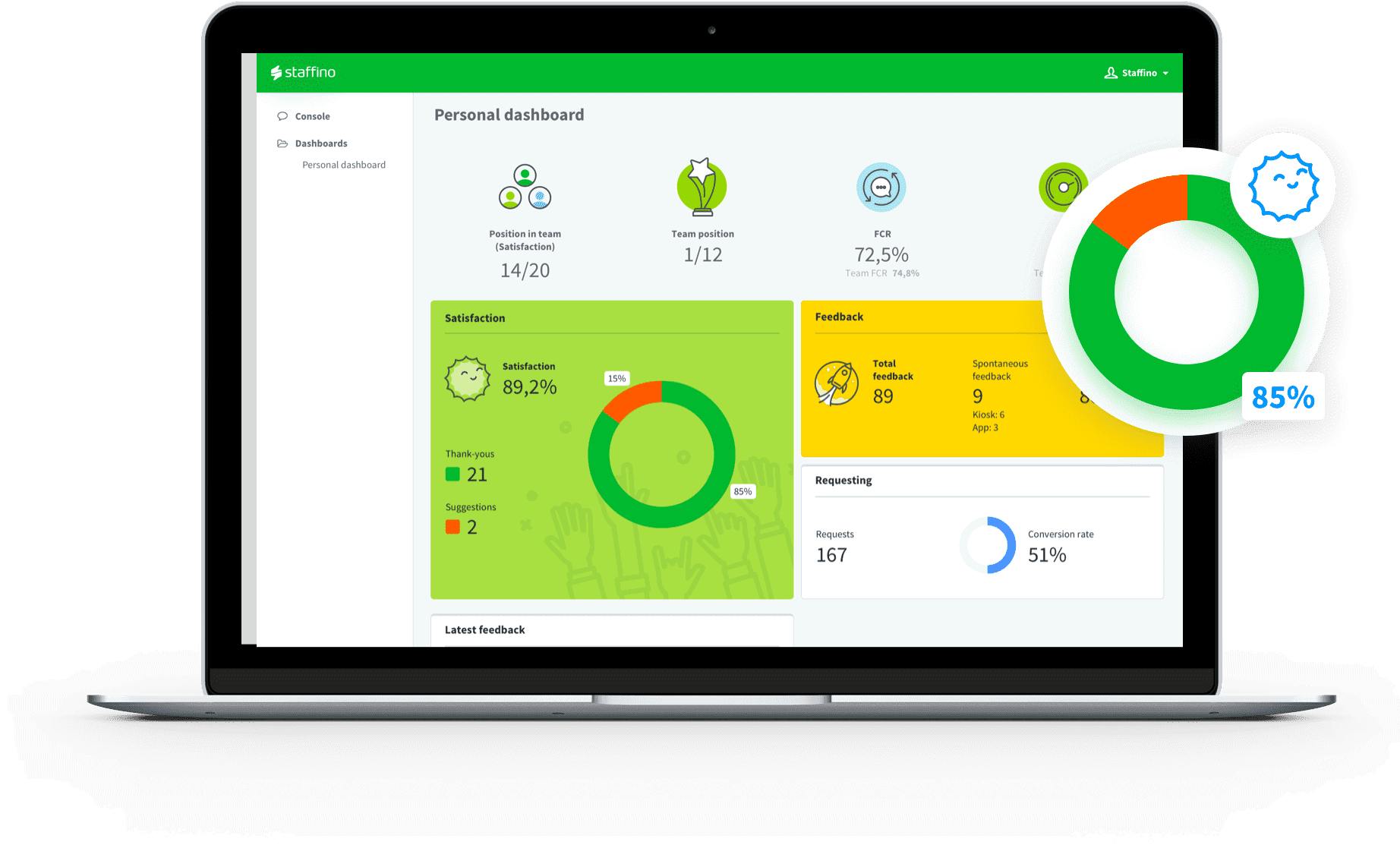
- Such software gives employees a voice through employee surveys, feedback tools, and recognition modules.
- It enables data-driven insight: you can track engagement levels, identify at-risk teams, and benchmark over time.
- It integrates rewards and recognition with communication, making it easier to engage employees consistently, especially in remote or hybrid environments.
- From a business case perspective, organisations that use employee engagement software platforms report higher productivity, higher employee loyalty, lower turnover, and better customer outcomes.
Here is a checklist of things to consider when choosing employee engagement software:
- Does it allow real-time feedback and recognition?
- Are analytics and dashboards provided to help with decision-making?
- Can it integrate with other HR systems (performance, onboarding)?
- Is it accessible (mobile, remote)?
- Will it scale and align with culture?
In short, an employee experience platform isn’t a silver bullet, but when aligned with good culture and strategy, it becomes a force multiplier.
Measuring and Sustaining Engagement in 2026
Employee engagement is one of the core EX metrics to measure. To maintain momentum:
- Set clear KPIs for engagement (turnover, absenteeism, eNPS, customer feedback).
- Run baseline surveys, track trends, and segment by team/location.
- Close the loop: survey → communicate results → implement changes → measure again.
- Link engagement metrics to business outcomes (such as productivity and customer service) to demonstrate value.
- Refresh strategies periodically. Work models evolve (hybrid, AI-enabled, flexible), so must your approach.
- Invest in leadership training, as managers significantly influence the staff experience.
- Align culture, policies and rewards to ensure what you say matches what you do.
Final Word
In 2026, improving employee engagement means treating it as a strategic priority. From leveraging the right employee engagement software, through cost-effective initiatives that engage employees, to connecting everything to customer experience and business outcomes, you create a virtuous cycle: engaged employees → better customer service → stronger business results.
Ready to see your employee engagement soar in 2026? Contact us or try our free demo to discover how the Staffino Experience Management Platform helps companies boost staff engagement and drive business performance.
Get a First-Hand Experience Today!
Staffino is the perfect tool for creating engaging surveys, tracking performance, responding to customer feedback, and rewarding top employees. Get started today with our FREE demo!
FAQ
Employee engagement is vital because it drives motivation, productivity, and retention. Engaged employees care about their work, contribute more effectively, and create a positive company culture that fuels long-term success.
When employees feel valued and committed, they deliver better service. Engaged staff go the extra mile to solve customer problems and represent the brand positively, leading to higher satisfaction and loyalty.
You can boost engagement cost-effectively through regular feedback, public recognition, flexible work options, and transparent communication. Simple gestures like celebrating milestones or holding one-on-one check-ins make a big impact.
In 2026, focus on blending technology and human connection. Utilise employee engagement software to gain valuable insights, promote flexible work models, foster professional growth, and cultivate a culture of trust and recognition.
The four key pillars are communication, recognition, growth, and purpose. Together, they ensure employees feel heard, valued, developed, and aligned with the company’s mission.