

The top EX metrics in 2025 include employee engagement scores, retention rates, eNPS (Employee Net Promoter Score), productivity indicators, well-being measures, and professional development tracking. These metrics help organisations monitor and improve employee experience to boost performance and retention.
As workplaces continue to evolve, organisations face new challenges in managing and supporting their people effectively. Hybrid work arrangements, greater attention to employee well-being, and advances in AI-driven employee performance management tools have made it essential for HR leaders to base decisions on accurate, actionable insights.

In this article, we’ll break down the core EX metrics every HR leader should track in 2025, explain how they align with broader employee performance metrics, and show how they connect to key HR objectives like retention, engagement, and talent development. You’ll also learn how to measure employee success and which conditions will make employees less motivated. Let’s dive in!

Unlock Your Team's Full Potential with Staffino's EX Products
Our EX platform can help you attract and retain top talent, track employee performance, and improve engagement and productivity – so your team can reach their highest potential.
The Importance of EX Metrics in 2025
The modern workforce is more mobile, informed, and selective than ever before. Tracking employee experience metrics enables HR teams to identify risks early, from declining morale to burnout, and take proactive steps to address them.
The latest trends in HR 2025 show a clear shift from reactive HR management to predictive talent strategies. This is made possible by combining employee experience measurement with predictive analytics, ensuring leaders act before issues escalate.
Core EX Metrics Every Organisation Should Track
Drowning in a sea of employee experience KPIs and unsure which ones to track? Here are six key employee metrics to focus on:
1. Employee Engagement Score
Employee engagement is the heartbeat of EX. This employee experience KPI measures emotional commitment and discretionary effort. High engagement correlates with improved productivity, reduced turnover, and better customer satisfaction.

Launch Smarter CX with Staffino Core
Start collecting customer feedback, managing responses in real time, and visualising what drives satisfaction. Build experiences that make people come back. All in one core solution.
2. Employee Net Promoter Score (eNPS)
A quick but powerful pulse-check, eNPS asks employees how likely they are to recommend the company as a place to work. It’s a core part of employee evaluation metrics and an early warning system for cultural or management issues.
3. Retention and Turnover Rates
Tracking retention provides insights into workforce stability. High turnover may signal deeper issues, such as poor onboarding, lack of career growth, or a missing employee recognition program, all of which are measurable through metrics for employee performance and employee experience surveys.
4. Productivity and Performance Review Metrics
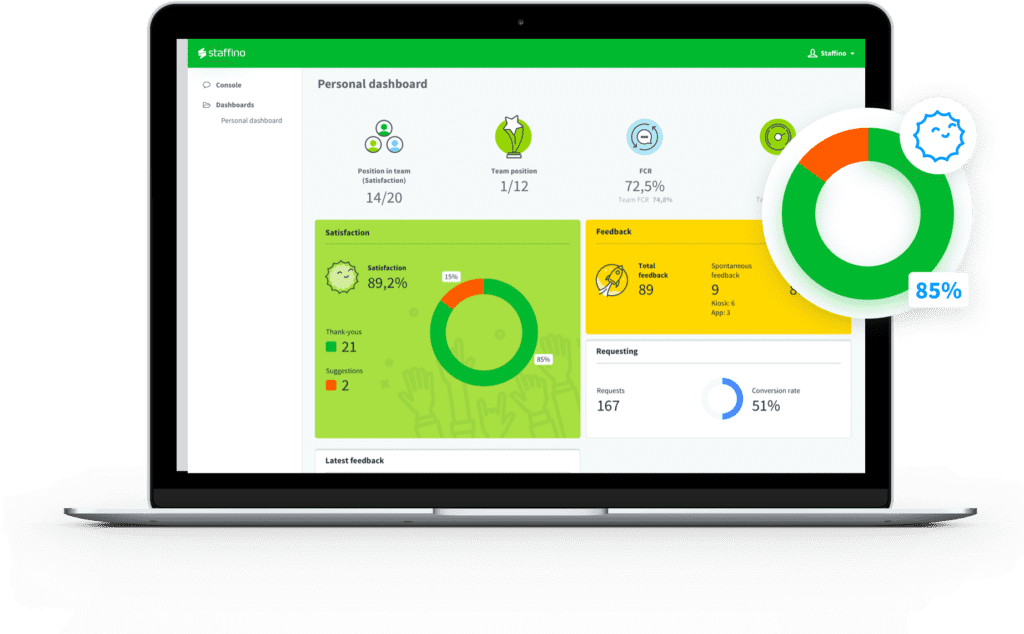
Employee performance review metrics link individual and team output to business objectives. These metrics to measure employee performance include project completion rates, customer satisfaction survey scores, quality scores, and contribution to innovation. Staffino’s employee engagement platform helps measure these in real time.
5. Well-being and Burnout Indicators
Which conditions will make employees less motivated? Often, the answer lies in workload imbalance, unclear expectations, and insufficient recovery time. By integrating well-being data, such as stress levels, absenteeism, and mental health survey results, into your employee experience measurement, you can detect early signs of burnout.
6. Learning and Development Metrics
Tracking training participation, skill acquisition, and internal mobility shows whether your workforce is future-ready. This is a leading indicator that human resources needs may change, as skill gaps directly affect business agility.
How to Measure Employee Success in 2025
How to measure employee success? In 2025, the most effective approach is a balanced combination of employee metrics and EX-focused data points. This ensures you evaluate not only what employees deliver but also how they experience their work environment, which directly impacts employee motivation, engagement, and long-term performance.
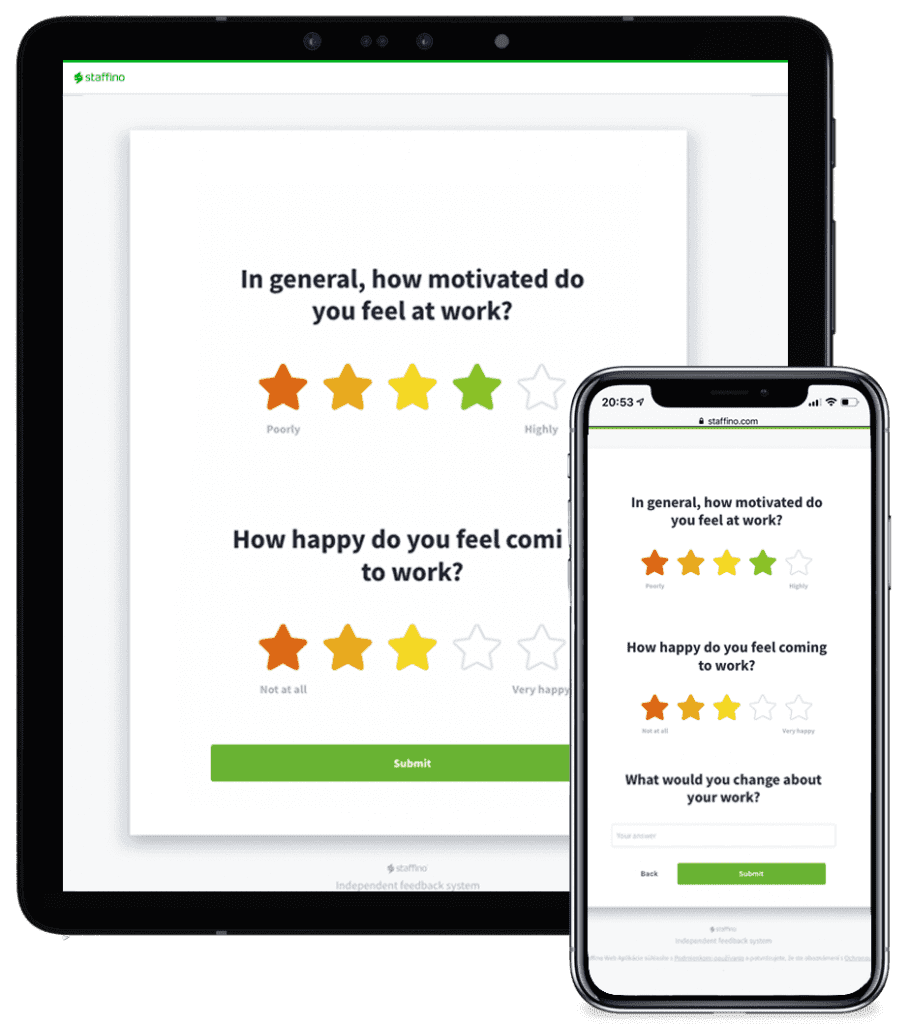
Traditional performance review metrics still matter, but more holistic employee experience measurement methods now complement them. Instead of focusing solely on output, forward-thinking HR leaders are assessing collaboration, innovation, and adaptability alongside well-being and engagement indicators.
Key metrics to measure employee performance in 2025 include:
- Goal achievement rates: How consistently and effectively an employee meets or exceeds their set objectives.
- Peer and manager feedback scores: Insight into interpersonal skills, teamwork, and contribution to a positive workplace culture.
- Contribution to team objectives: Evaluation of how individual work drives collective results and supports organisational priorities.
- Learning progress and certifications earned: Evidence of continuous professional development, upskilling, and adaptability to new challenges.
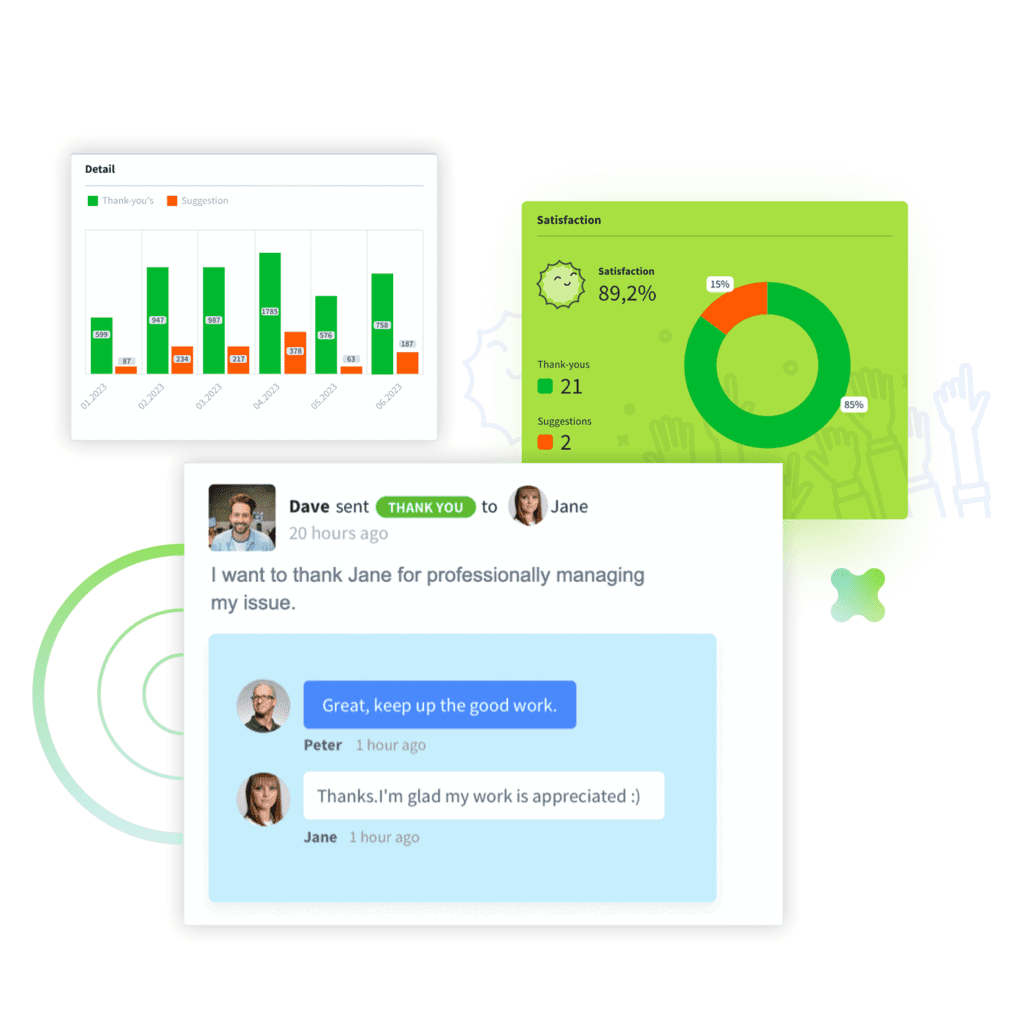
With an employee experience platform like Staffino, you can go a step further by linking employee experience KPIs directly to performance outcomes. This creates a clear view of which EX factors drive success and customer satisfaction, enabling HR teams to identify high performers, address pain points early, and provide targeted development opportunities. The result is a more engaged, loyal, and productive workforce.
Predictive EX: From Measurement to Action
Modern EX strategies go beyond collecting data. They focus on predicting and preventing disengagement. Predictive EX programs use employee experience metrics and behavioural trends to forecast attrition risk, productivity dips, and training needs.

The Staffino employee experience platform gives HR leaders a continuous flow of actionable feedback, both from customers and employees, making employee experience measurement an ongoing process instead of an annual event. This creates a dynamic feedback loop where insights lead to immediate interventions.
Linking EX Metrics to HR Trends in 2025
The trends in HR 2025 reveal a clear move toward blending employee experience measurement with performance and business impact tracking. Key developments include:
1. Continuous listening strategies
Moving beyond annual engagement surveys, companies now collect employee feedback regularly through pulse surveys, one-on-one check-ins, and anonymous channels. This allows HR to detect sentiment shifts and engagement drops before they become costly problems.
2. Real-time performance analytics
Using advanced analytics tools, HR leaders can measure performance trends as they happen, making it easier to intervene early, recognise and reward achievements, and prevent burnout or disengagement.
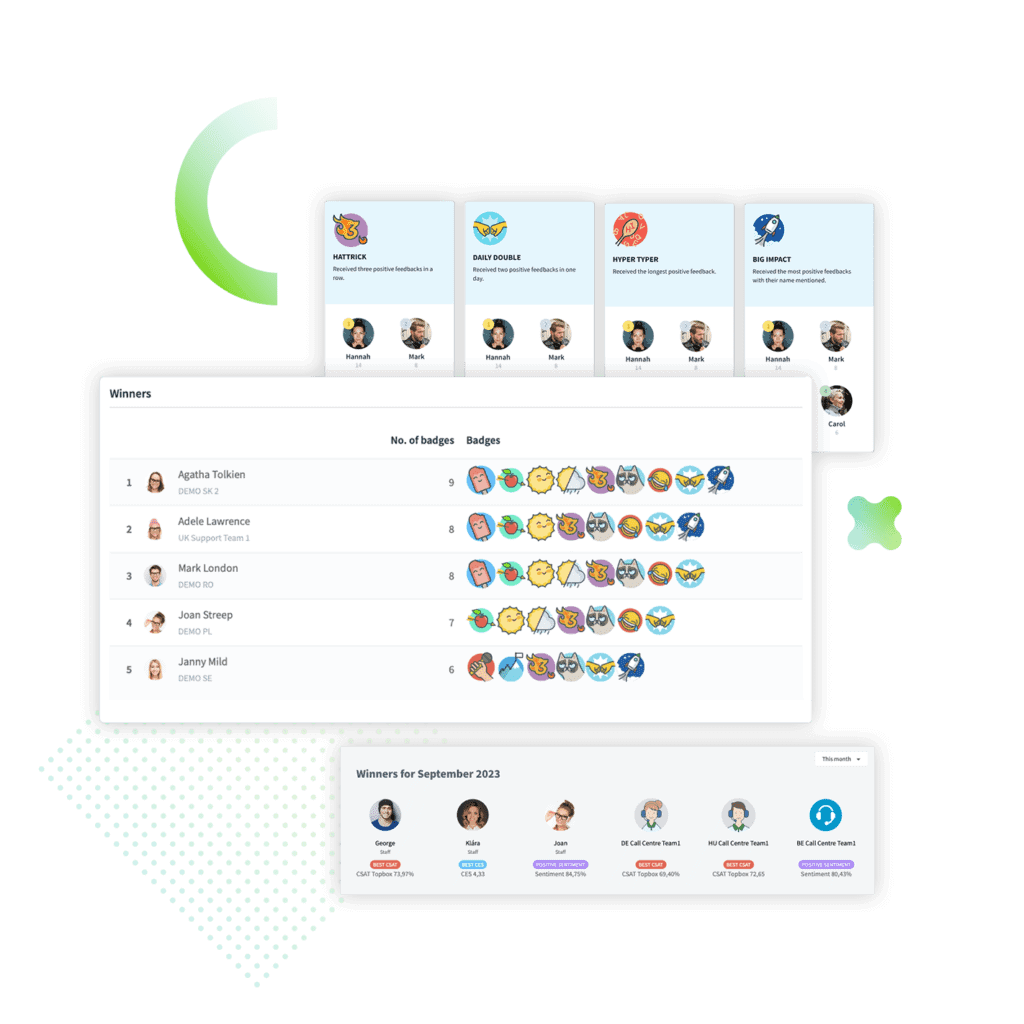
3. AI-driven personalisation of employee development plans
Artificial intelligence helps tailor growth opportunities to individual needs, recommending targeted training, mentorship, or project assignments based on performance data and career goals.
4. Linking EX data to business KPIs
Forward-thinking organisations directly connect EX metrics to outcomes like customer satisfaction, innovation rates, and revenue growth, proving the tangible value of investing in employee experience.
By mastering core EX metrics, HR teams can align employee experience (EX) in 2025 with strategic business objectives, ensuring productive, loyal and motivated employees in the years ahead.
Final Thoughts
In 2025, EX metrics are the bridge between employee well-being and business performance. By tracking the right employee performance metrics, acting on feedback, and using predictive analytics, you can improve employee experience and create workplaces where people thrive.
Staffino’s expertise in employee experience measurement and its user-friendly employee experience management platform helps organisations globally capture and act on the right insights, keeping employees engaged and high-performing year-round.
Curious to see how? Get a free demo below!

Get a First-Hand Experience Today!
Staffino is the perfect tool for creating engaging surveys, tracking performance, responding to customer feedback, and rewarding top employees. Get started today with our FREE demo!
FAQ
Core EX metrics are key indicators used to measure different aspects of the employee experience, including engagement, satisfaction, retention, and well-being. These metrics help HR teams understand how employees feel about their workplace, identify areas for improvement, and link EX performance to business outcomes.
Performance review metrics are quantitative and qualitative indicators used to assess an employee’s work performance. They often include goal achievement rates, quality of work, collaboration, problem-solving ability, and alignment with company values.
The trends in HR 2025 focus on continuous listening, real-time performance analytics, AI-driven personalisation of development plans, and stronger links between EX data and core business KPIs like revenue growth and customer satisfaction.
Employee Net Promoter Score (eNPS) is one of the most commonly used KPIs to measure employee experience. It asks employees how likely they are to recommend their workplace to others, offering a quick indicator of engagement and loyalty.
The most common KPI for employee satisfaction is an Employee Satisfaction Score (ESS), often derived from survey data. It measures how content employees are with their roles, work environment, and organisational culture.
Employee success can be measured through a combination of performance metrics, such as goal completion rates and team contribution, and EX metrics like engagement, development progress, and feedback scores from peers and managers.
High turnover rates, declining engagement scores, increased absenteeism, and skill gaps are strong indicators that HR needs may be shifting. These trends suggest that staffing, training, or policy adjustments might be required.
Employees may become less motivated due to unclear career progression, lack of recognition, poor leadership, limited autonomy, or a work environment that fails to support well-being and work-life balance.