


The causes of customer churn range from poor customer service and high pricing to lack of product value, competition, and unresolved complaints. Identifying these reasons early is essential to prevent losses, improve retention, and protect revenue.
Customer churn is one of the most critical challenges for any business. Losing customers not only impacts revenue but also increases the cost of growth, as acquiring new customers is far more expensive than retaining existing ones.
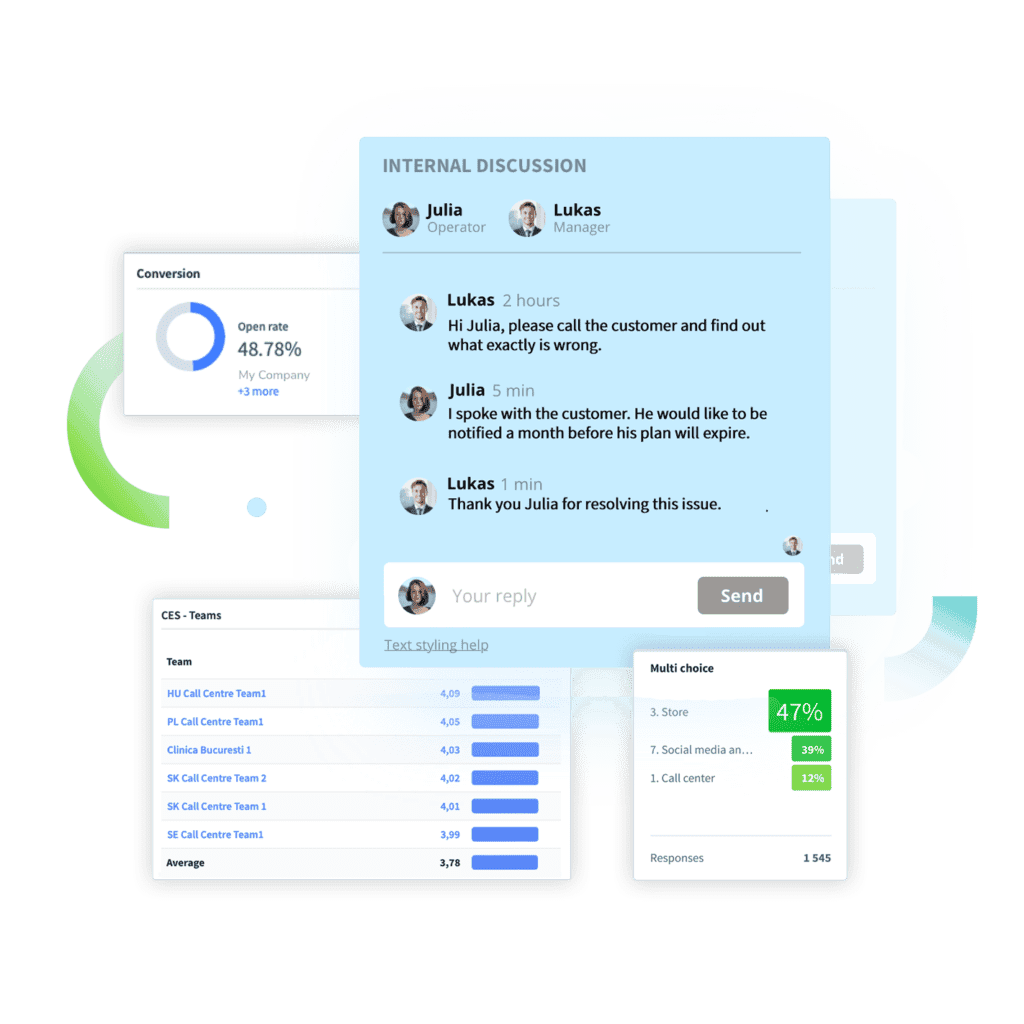
In this article, we’ll explore the top causes of customer churn, break down industry-specific challenges, and explain key concepts such as the churn rate KPI and churning factors. You’ll also discover which industries face the highest churn rates, how to identify early warning signs, and what practical steps you can take to improve customer retention. Let’s dive in!

Let AI Handle the Heavy Lifting in CX
With Staffino’s AI, you can respond with empathy at scale, understand customer feedback faster, boost upsell, and make smarter decisions with almost no effort.
Understanding the Causes of Customer Churn
In business, churn refers to the percentage of customers who stop using your product or service within a specific period. The causes of customer churn are often a mix of preventable and unavoidable factors, but most can be addressed with the right customer retention strategy.
From missed service expectations to aggressive competitor offers, churn reflects the gap between what a customer expects and what they actually experience. Companies that identify these gaps quickly can take proactive action to keep customers engaged and loyal.
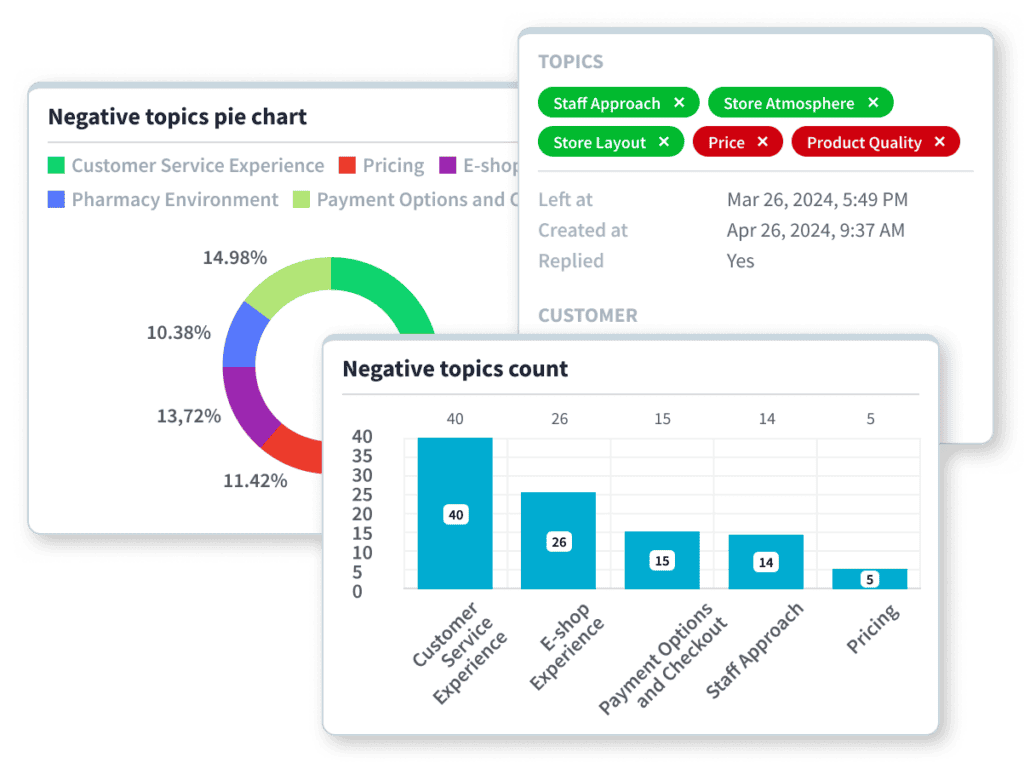
Staffino’s AI-powered feedback analysis can spot early warning signs of churn, such as declining satisfaction scores, reduced engagement, or negative feedback trends, allowing businesses to intervene before it’s too late.
What Are the Reasons for Customer Churn?
While each industry has its unique challenges, the top reasons for customer churn tend to include:
1. Poor Customer Service
The most cited factor. A single bad interaction can be enough for a customer to switch providers.
Customer service is often the main point of differentiation between brands offering similar products. A rude representative, an unresolved complaint, or a slow response can undo months or years of loyalty. Research consistently shows that customers are more likely to remember negative experiences than positive ones, which is why just one mishandled interaction can prompt a customer to explore other options.
2. High Prices Without Perceived Value
Customers will pay more if they see clear value. If not, they look elsewhere.
Price sensitivity alone doesn’t cause churn. Value perception does. Customers are willing to spend more when they believe they’re getting superior quality, convenience, or support. However, if pricing increases without corresponding improvements in service, product quality, or added benefits, customers often begin comparing alternatives and may switch to a cheaper option.
3. Better Competitor Offerings
Aggressive promotions and innovation can lure customers away.
Competitors frequently use targeted campaigns to tempt loyal customers with lower prices, enhanced features, or exclusive perks. If your business is not innovating or communicating its advantages clearly, these offers can become too attractive to resist. This is especially true in industries like telecom, where switching providers is relatively easy.

4. Product or Service Not Meeting Expectations
This can include quality issues, missing features, or misleading advertising.
When a product fails to deliver on its promises—whether due to functional problems, lack of expected features, or overstated marketing claims—customers lose trust. This gap between expectation and reality is one of the most damaging churn triggers because it directly impacts brand credibility and satisfaction.
5. Inconvenience or Complexity
Long wait times, complex processes, or complicated interfaces push customers toward simpler solutions.
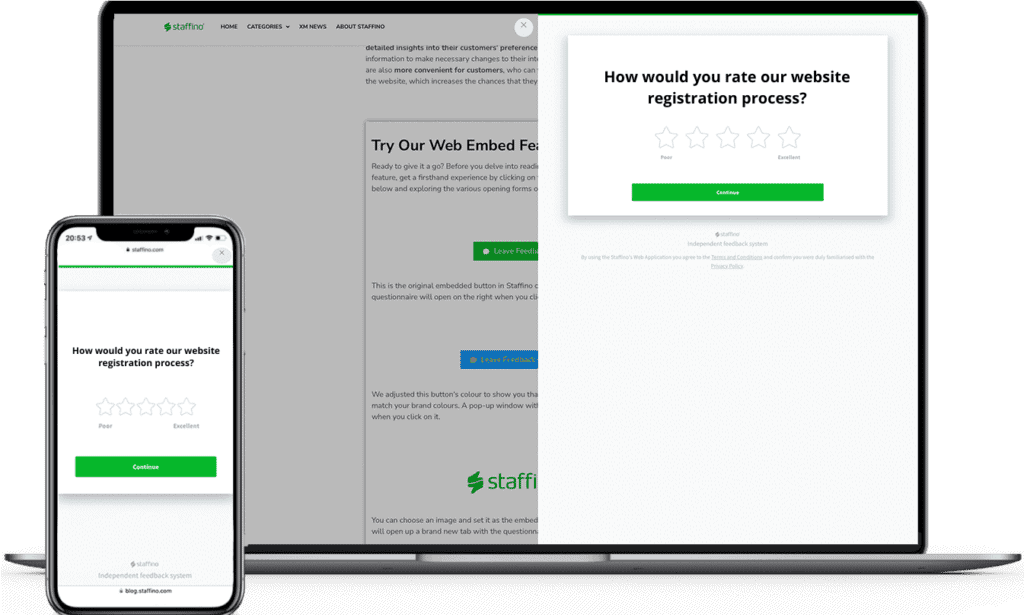
Modern consumers expect speed, efficiency, and intuitive experiences. If a product requires too many steps to set up, if customer support takes days to respond, or if billing systems are confusing, customers will often seek an easier alternative. Even minor inconveniences can accumulate into a major reason for leaving.
6. Lack of Personalisation
Generic, one-size-fits-all communication fails to build loyalty.
Customers want to feel recognised and understood. Sending irrelevant offers, ignoring purchase history, or failing to adapt communication style to individual preferences sends a message that the customer is just another number. Over time, this lack of emotional connection can weaken loyalty and make switching to a more personalised competitor much more likely.
What Industry Has the Highest Churn Rate?
Churn rates vary widely by sector:
Telecommunications
Telecommunications often exceed 20% annually due to competitive offers and price sensitivity. The telecom industry faces some of the highest churn rates because customers can easily switch providers with minimal effort.
Aggressive competitor promotions, bundled service deals, and short-term discounts create a constant incentive to change. Network performance, customer service quality, and transparent billing are critical in retaining customers in this sector.
The top reasons for customer churn in the telecom industry are:
- Unreliable network coverage
- Complex billing or hidden fees
- Long resolution times for technical issues
- Not closing the feedback loop
- Better deals from competitors
- Poor customer service at contact centres
Telecom brands must actively monitor satisfaction, conduct regular customer churn analysis to spot dissatisfaction early, and offer tailored retention incentives.
Energy Providers
High churn in deregulated markets where switching is easy. In regions where customers can freely choose their energy provider, churn rates rise significantly.
Consumers often switch for better pricing, renewable energy options, or more transparent billing. Poor customer service or inaccurate billing can accelerate this trend, making proactive customer retention management essential.

Subscription-Based Digital Services
Streaming platforms and SaaS tools experience churn when customers see no continued value. For digital services, churn typically occurs when the cost outweighs perceived benefits, or when customers no longer engage regularly with the product.
Competitor launches, lack of fresh content, or missing features can prompt users to cancel. Flexible subscription models mean leaving is often just a click away, so continuous value delivery is crucial.
Retail Banking
Banking customers tend to stay longer due to the perceived complexity of switching accounts. However, sudden changes, such as higher fees, reduced services, or branch closures, can trigger a spike in departures.
Growing competition from digital-only banks is also slowly increasing churn pressure in this traditionally stable sector.
How to Reduce the Causes of Customer Churn
A strong churn prevention strategy is often built on two pillars: data-driven insights and proactive engagement. Conducting regular churn data analysis helps identify which customers are most at risk and why, allowing you to focus resources on high-impact retention actions. Many businesses also rely on a customer churn model, which uses historical data and predictive analytics to forecast the likelihood of customers leaving.
Key steps for reducing churn include:
1. Improve Onboarding
A smooth, engaging onboarding process helps customers feel confident about their choice from day one. This could mean clear product tutorials, proactive welcome messages, or dedicated support during the first days or weeks of usage.
The goal is to minimise confusion, answer questions early, and quickly demonstrate value, reducing the risk of early drop-off.
2. Enhance Customer Service
Customer service interactions are often the deciding factor in whether someone stays or leaves. Empower your teams with the tools, training, and authority to resolve problems without unnecessary delays or escalations. Encourage empathy in every interaction, for instance with these empathy exercises for customer service. Customers are more likely to forgive mistakes when they feel heard and valued.
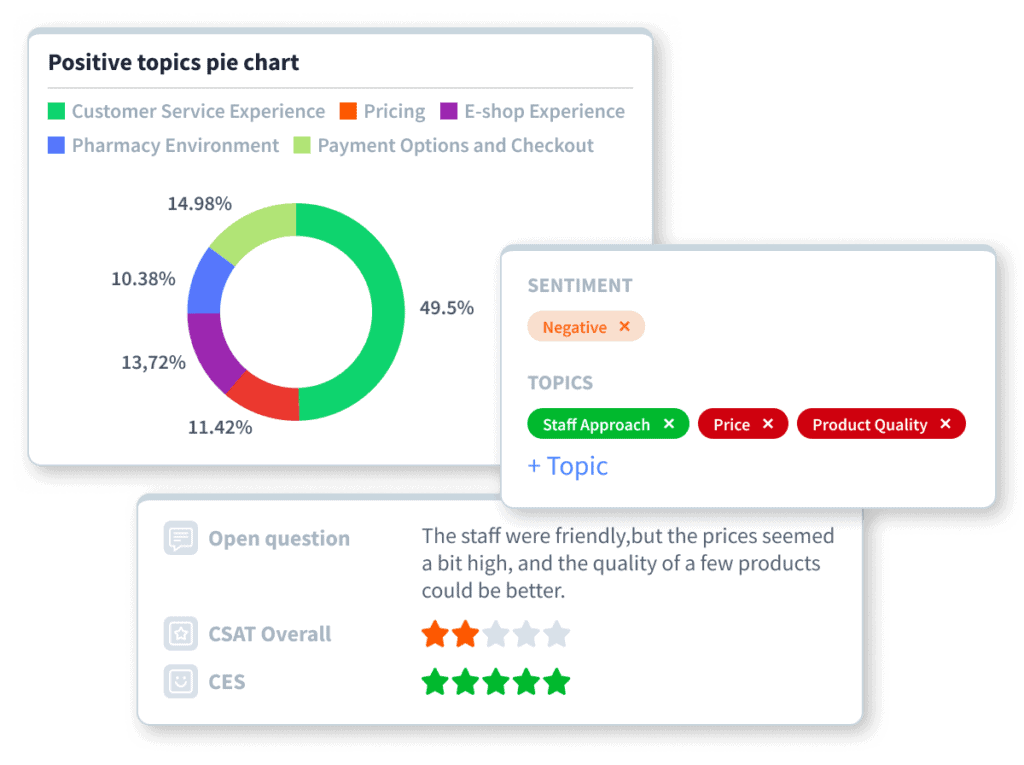
A powerful way to ensure issues are addressed effectively is by implementing a closed-loop feedback process. This means that when negative feedback is received, it is automatically routed to the right customer service agent or manager for follow-up, closing the loop with a timely, personalised response.
Staffino makes this process seamless by giving you real-time alerts, customer context, and a simple interface to acknowledge, respond, and resolve issues before they lead to churn.

Get Actionable Insights with Closed Loop Feedback Management
With Staffino, you'll never leave a customer unhappy again! Streamline the process of collecting and responding to feedback, identify areas of improvement, and make sure that customer issues are addressed quickly and effectively.
3. Personalise Offers and Communication
Generic mass communication rarely builds loyalty. Use customer data and data from customer surveys to tailor offers, recommendations, and messaging to specific preferences, behaviours, or life stages.
Whether it’s a targeted discount, a relevant content suggestion, or personalised account updates, showing that you understand the customer makes them feel valued and less likely to consider alternatives.
4. Monitor Customer Sentiment in Real Time
Churn rarely happens without warning signs. By measuring customer experience metrics, tracking service interactions, and collecting customer feedback in real time, you can spot declining engagement before it turns into cancellation.
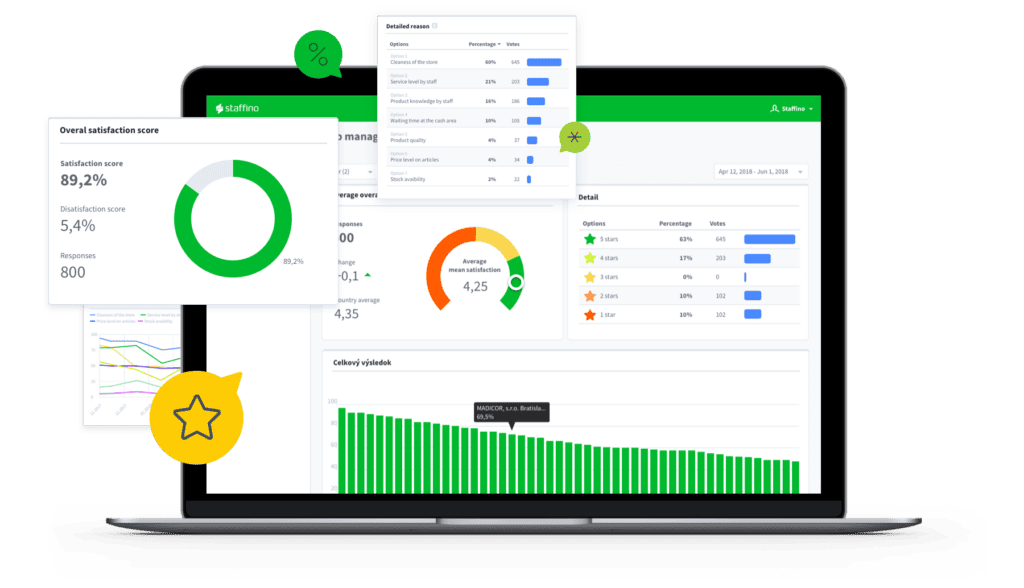
Our CX management platform offers advanced sentiment analytics and churn alerts, enabling timely interventions such as tailored recovery offers or personal outreach.
5. Reward Customer Loyalty
Client retention management strategies should include tangible benefits for long-term customers. Loyalty programs, exclusive perks, early access to new products, or priority support can strengthen the emotional and financial reasons to remain. The key is to provide ongoing value that outweighs the temptation of switching to a competitor.
What Is the KPI for Churn Rate?
The customer churn rate is a key performance indicator (KPI) that measures the percentage of customers lost during a given period. It’s calculated as:
Churn Rate = (Customers lost during period / Total customers at start of period) ×100
For example, if you start a month with 1,000 customers and lose 50, your monthly churn rate is 5%. Monitoring this customer experience KPI regularly is essential for evaluating retention strategies and forecasting revenue.
What Is the Churning Factor?
The churning factor refers to the combination of variables that contribute to a customer’s decision to leave. Many factors may be causing churn meaning driving customers away. This may include dissatisfaction, pricing pressure, life changes, or competitive switching incentives. Analysing these factors helps businesses segment customers by risk and tailor retention efforts accordingly.
Spot Churning Customers Early with Staffino
Staffino combines advanced customer feedback analytics with proactive alerts to identify churn risk before it becomes a loss. By tracking satisfaction, engagement, and behavioural changes, our platform enables teams to step in with tailored recovery actions, turning potential defectors into loyal advocates.
Plus, our CX consulting experts can help design retention programs that address the root causes of churn in your specific industry.
Ready to transform churn prevention from a reactive task into a proactive strategy, catch issues before they escalate and keep customers satisfied for the long run? Book our free demo below!

Get a First-Hand Experience Today!
Staffino is the perfect tool for creating engaging surveys, tracking performance, responding to customer feedback, and rewarding top employees. Get started today with our FREE demo!
FAQ
The churning factor refers to the specific reasons or triggers that cause customers to stop doing business with a company. These can include poor customer service, high prices without perceived value, better competitor offerings, or dissatisfaction with the product or service. Identifying these factors is essential for building an effective retention strategy.
The most common reasons include poor customer service, high prices without added value, better competitor offerings, products not meeting expectations, inconvenient processes, and a lack of personalisation. In some industries, external factors like aggressive competitor marketing or regulatory changes can also play a role.
The churn rate KPI measures the percentage of customers who stop using a company’s product or service during a specific time period. It’s calculated by dividing the number of customers lost by the total number of customers at the start of the period, then multiplying by 100.
Telecommunications often has the highest churn rate, sometimes exceeding 20% annually, due to intense competition, price sensitivity, and ease of switching providers. Energy providers in deregulated markets and subscription-based digital services also experience high churn.
Churn analysis helps businesses understand why customers leave and what can be done to retain them. By combining survey feedback, behavioural data, and transaction history, companies can identify trends, predict churn risk, and take targeted action to reduce attrition.
Customer churn directly impacts revenue and growth potential. Retaining existing customers is significantly more cost-effective than acquiring new ones, so understanding and reducing churn is critical for long-term profitability.
Yes, a 20% churn rate is considered high for most industries. It typically signals serious customer retention issues that need immediate attention, though in some competitive sectors like telecoms, rates above 15% are not uncommon.
In telecom, churn is often driven by aggressive competitor offers, price sensitivity, network performance issues, unclear billing, and poor customer service experiences. Loyalty is harder to maintain because switching is easy and often incentivised.
The churn rate in telecom can vary by region and company, but it frequently exceeds 20% annually in highly competitive markets. This is one of the highest among all industries, requiring proactive retention strategies and excellent customer experience management.