


Multilingual customer feedback analysis is the process of using AI to automatically understand and compare customer feedback written in different languages. It allows businesses to detect sentiment, identify topics, and uncover insights across markets without manual translation. This enables scalable, consistent global customer feedback analysis and better decision-making across regions.
As businesses expand into international markets, customer feedback becomes increasingly diverse. Not only in volume but also in language. Customer surveys, online reviews, emails, and support conversations may arrive in dozens of different languages, making it difficult to extract consistent and actionable insights.
Manually processing multilingual feedback is time-consuming and often leads to inconsistent analysis. Fortunately, advances in artificial intelligence now enable organisations to analyse customer feedback in multiple languages automatically, helping them understand customer needs across markets without relying on separate workflows for each language.
In this article, we explore how multilingual feedback analysis works, how AI processes customer feedback across languages, and what businesses should consider when implementing customer feedback analysis at scale.

Let AI Handle the Heavy Lifting in CX
With Staffino’s AI, you can respond with empathy at scale, understand customer feedback faster, boost upsell, and make smarter decisions with almost no effort.
What Is Multilingual Customer Feedback Analysis?
Multilingual feedback analysis is the process of collecting, organising, and analysing customer feedback written in different languages to identify common themes, customer sentiment, and improvement opportunities.
Rather than treating each language separately, today’s AI platforms create a unified view of customer experience across regions. Whether feedback comes from surveys, online reviews, contact centres, or social media, businesses can compare insights consistently while preserving the original meaning of customer comments.
For global brands, this approach enables global customer feedback analysis without requiring manual translation or separate reporting for every market.
From Raw Feedback to Actionable Insights
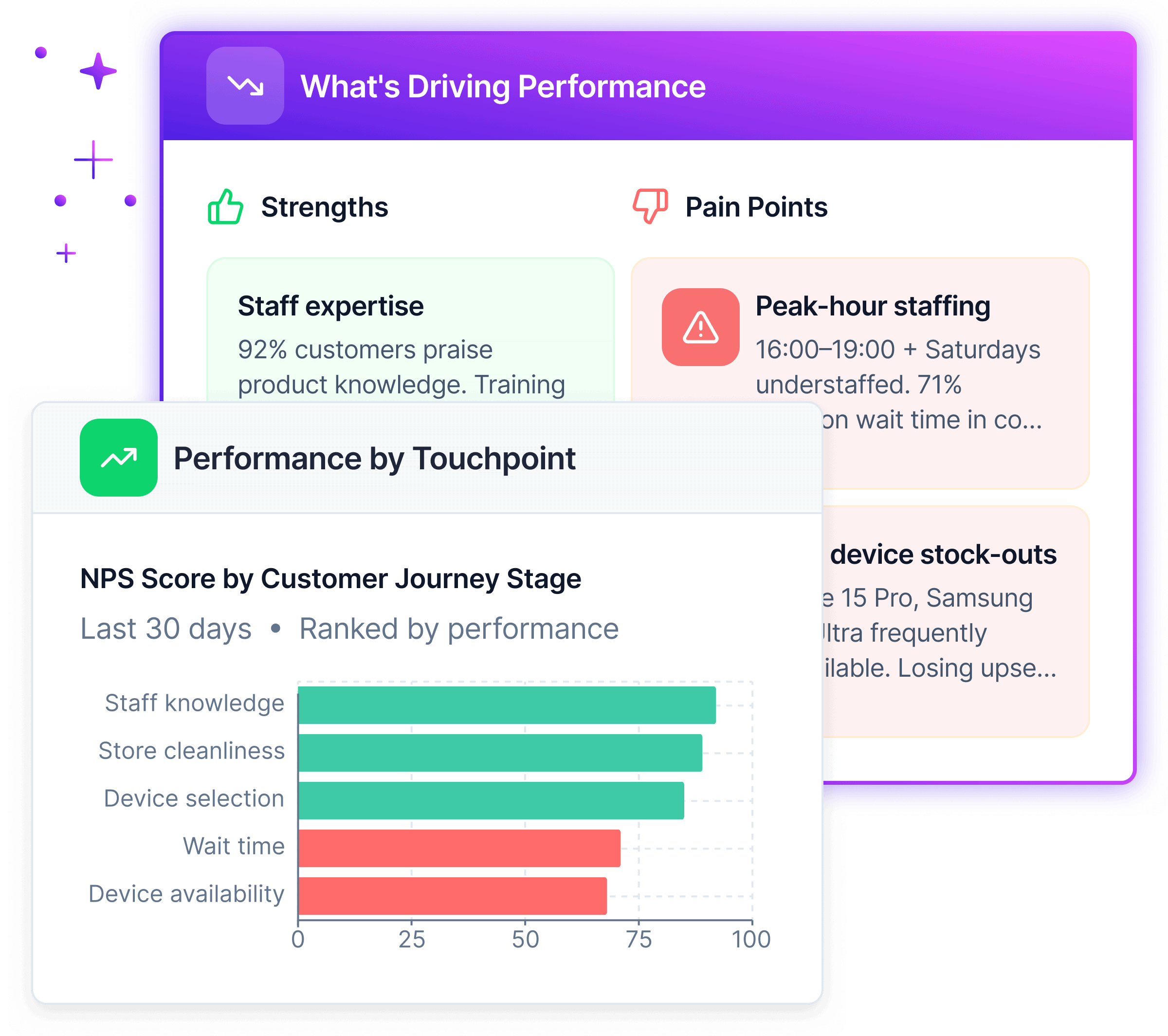
Analysing multilingual customer feedback involves much more than translating text.
1. Language Detection and Data Preparation
The first step is automatically identifying the language of each response. AI models can detect dozens of languages within seconds, even when different languages appear in the same dataset.
The data is then cleaned by removing duplicate responses, correcting formatting issues, and filtering irrelevant content. This ensures that later analyses are based on consistent, high-quality data.
2. Topic Classification
Once feedback has been prepared, AI automatically identifies the subjects customers are discussing.
Using multilingual topic analysis, open-text feedback can be grouped into categories such as staff behaviour, delivery, pricing, product quality, or digital experience. Businesses can also create custom taxonomies that reflect their own products, services, or operational priorities.
This eliminates the need for manual tagging while making reporting far more scalable.
3. Sentiment and Emotion Detection
The next step is multilingual sentiment analysis.
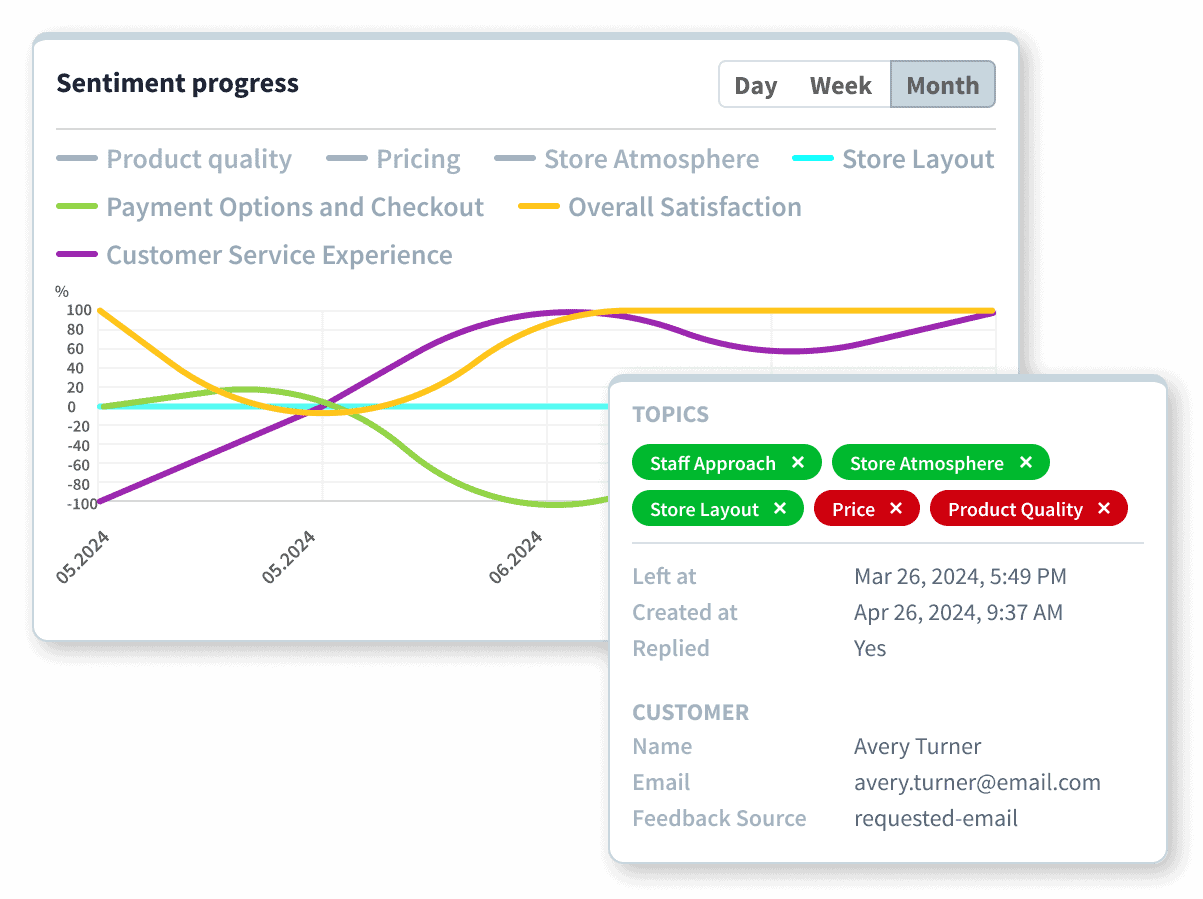
Instead of assigning one overall sentiment to an entire comment, AI evaluates sentiment for individual topics within the feedback. This allows organisations to understand precisely which parts of the customer journey are creating positive or negative experiences.
Advanced AI models can also identify emotions such as frustration, satisfaction, disappointment, or delight, providing deeper context behind customer opinions.
4. Reporting and Trend Analysis
Finally, all analysed feedback is aggregated into CX dashboards and reports.
Organisations can compare results across countries, languages, business units, or customer segments while tracking trends over time. This enables faster decision-making and helps identify recurring issues before they become widespread problems.
How Does Multilingual Sentiment Analysis Work?
At the heart of the process is multilingual sentiment analysis, which combines natural language processing (NLP) with machine learning to understand opinions expressed in different languages.
There are two primary approaches.
The first relies on machine translation. Customer comments are translated into a single language before sentiment analysis is performed. While this method can be effective, it may lose important nuances, idioms, or culturally specific expressions during translation.
The second approach uses native multilingual AI models trained directly on multiple languages. Rather than translating first, these models analyse feedback in its original language, preserving context and improving accuracy.
As AI technology continues to evolve, native multilingual models are increasingly becoming the preferred choice for organisations seeking reliable cross-language sentiment analysis.
Why Cultural Context Matters
Language is only one part of customer communication. Cultural differences also influence how people express satisfaction, criticism, or frustration.
For example, customers in some countries tend to communicate very directly, while others prefer more subtle or indirect language. Literal translations often fail to capture these differences.
This is why modern AI multilingual feedback analysis focuses not only on words themselves but also on context, sentence structure, and linguistic patterns.
While no AI model perfectly understands every regional nuance or sarcastic expression, today’s technology is significantly better equipped to interpret local language than traditional rule-based systems.
How Can Businesses Analyse Customer Feedback in Multiple Languages?
Successfully implementing multilingual feedback analysis requires more than simply adopting AI software.
Organisations should establish a structured framework that includes:
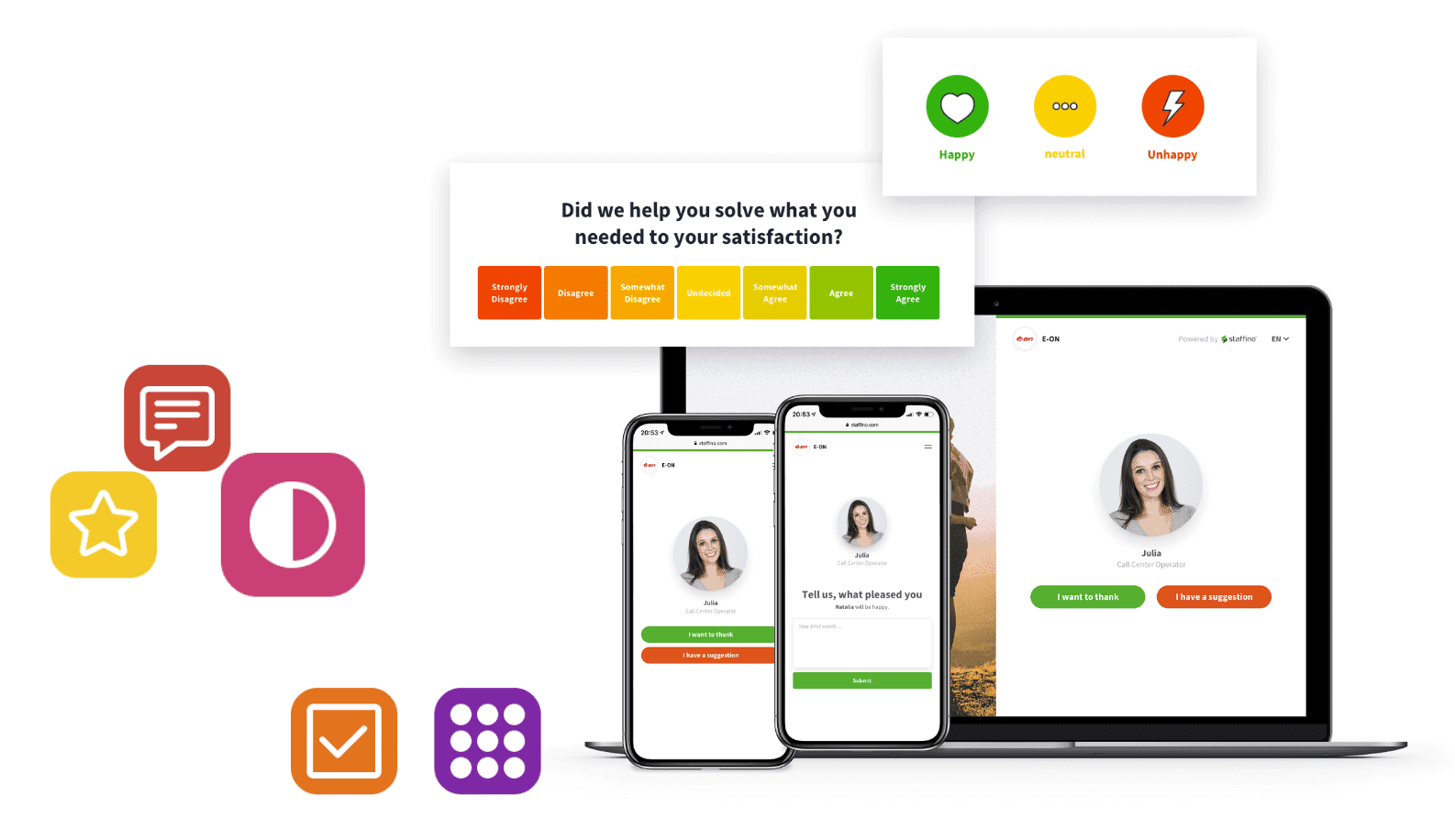
- Collecting feedback from all relevant channels.
- Automatically detecting languages.
- Classifying comments into consistent business topics.
- Performing sentiment and emotion analysis.
- Comparing results across regions.
- Continuously validating AI outputs and refining taxonomies.
This approach creates a scalable process that delivers comparable insights regardless of where customer feedback originates. Combined with advanced multilingual text analytics, businesses can replace fragmented reporting with a single, unified view of customer experience.
Can AI Compare Customer Sentiment Across Different Languages?
Yes. AI-powered customer experience platforms can perform cross-language sentiment analysis, allowing organisations to compare customer perceptions across countries and languages using standardised metrics.
For example, a retailer can discover that customers in Germany consistently praise product quality while customers in Spain frequently mention delivery delays. Although the feedback is written in different languages, AI enables both datasets to be analysed within the same reporting framework.
This capability supports more consistent benchmarking and helps global organisations prioritise improvements based on comparable customer insights rather than isolated local reports.
How Can Companies Analyse Large Volumes of Multilingual Feedback at Scale?
As businesses grow, manual analysis quickly becomes unsustainable. Thousands of survey responses, public reviews, and support conversations can accumulate every day, making automation essential.
The most effective approach combines AI-powered language detection, multilingual topic analysis, multilingual sentiment analysis, and automated reporting within a single platform.
A robust multilingual feedback analysis software solution enables organisations to process large volumes of customer comments in real time, identify recurring issues, monitor trends across markets, and share insights with relevant teams.
Rather than spending hours translating and categorising feedback, CX teams can focus on understanding customer needs and driving meaningful improvements.

Stay on Top of Public Reviews
Review Radar monitors and analyzes public online reviews from Google, Facebook, and other platforms so you always know what customers are saying about your brand.
How Can Multilingual Feedback Improve Customer Experience?
Ultimately, the goal of customer feedback analysis at scale is not simply to understand different languages. It is to understand customers.
When organisations can compare feedback across markets, identify common pain points, and detect regional differences, they are better equipped to improve products, optimise services, and deliver more consistent customer experiences worldwide.
For international businesses, global customer feedback analysis transforms fragmented customer comments into a strategic source of insight that supports better decision-making across every market.
Turn Multilingual Customer Feedback into Action with Staffino
Analysing customer feedback across multiple languages doesn’t have to mean managing separate processes, reports, or tools for each market. Staffino combines AI-powered language detection, multilingual sentiment analysis, automated topic classification, and customisable taxonomies to help businesses understand customer feedback at scale.
Whether you’re collecting feedback from surveys, reviews, or customer interactions across different countries, Staffino transforms multilingual data into actionable insights, helping your teams identify recurring issues, compare customer sentiment across markets, and make data-driven decisions that improve the customer experience.

Meet the AI That Knows Your Customers
Staffino AI Cortex acts as a generative AI consultant for CX. It understands your feedback, identifies trends, and helps teams make smarter decisions faster.
FAQ
Multilingual customer feedback analysis is the process of collecting and analysing customer feedback across multiple languages to identify sentiment, recurring topics, and opportunities for improving the customer experience.
Multilingual sentiment analysis uses AI and natural language processing (NLP) to detect opinions and emotions expressed in different languages while preserving context and meaning as accurately as possible.
Businesses can use AI-powered feedback analysis platforms to automatically detect languages, classify feedback by topic, analyse sentiment, and generate unified reports across all markets.
Yes. Modern AI can compare customer sentiment across languages using standardised models, allowing businesses to benchmark customer experience across countries and regions.
The most effective approach is to use AI-powered automation for language detection, topic classification, sentiment analysis, and reporting. This enables businesses to process thousands of customer comments quickly while maintaining consistent insights across markets.
In many cases, yes. Native multilingual AI models analyse feedback in its original language, preserving context, local expressions, and cultural nuances that may be lost during machine translation.
Common challenges include understanding cultural context, interpreting idioms and sarcasm, handling mixed-language responses, and maintaining consistent analysis across different languages.
Multilingual topic analysis automatically groups customer feedback into common themes, such as product quality, customer service, or delivery, regardless of the language in which the feedback was written.
Yes. Staffino enables businesses to analyse multilingual customer feedback using AI-powered language detection, sentiment analysis, automated topic classification, and customisable taxonomies, providing consistent insights across multiple markets.
Staffino combines multilingual AI, automated topic assignment, customisable taxonomies, and advanced reporting to help organisations compare customer sentiment across countries, identify recurring issues, and turn multilingual feedback into actionable insights, all within a single platform.