


To improve Net Promoter Score (NPS), focus on five proven tactics: recognise frontline staff using positive feedback, resolve issues faster, reduce complaints by targeting micro-level pain points, identify churn-risk customers daily through transactional surveys, and track upsell/cross-sell attempts. Together, these actions can raise NPS by over 30 points and significantly boost customer loyalty and revenue.
NPS can change, and it can improve. Our clients are living proof of that. Have you ever wondered how world-class companies consistently maintain high NPS scores? The secret lies in transforming detractors into promoters. But how can you achieve this?
In this comprehensive guide, we will reveal the 5 insider secrets that no one else is telling you. We will give you concrete, actionable steps that have helped our clients improve their NPS by significant points. So, are you ready to unlock the secrets to NPS improvement? Let’s dive in.
How to Improve NPS in 5 Proven Steps
1. Provide a Constant Flow of Real-time Recognition to Frontline Staff to Improve NPS by 4+ Points
Out of the millions of feedback responses received across all businesses, nine out of ten are positive. This presents an opportunity to transform your customer experience program by using positive customer feedback as a form of employee recognition—a cost-effective approach that delivers substantial results.
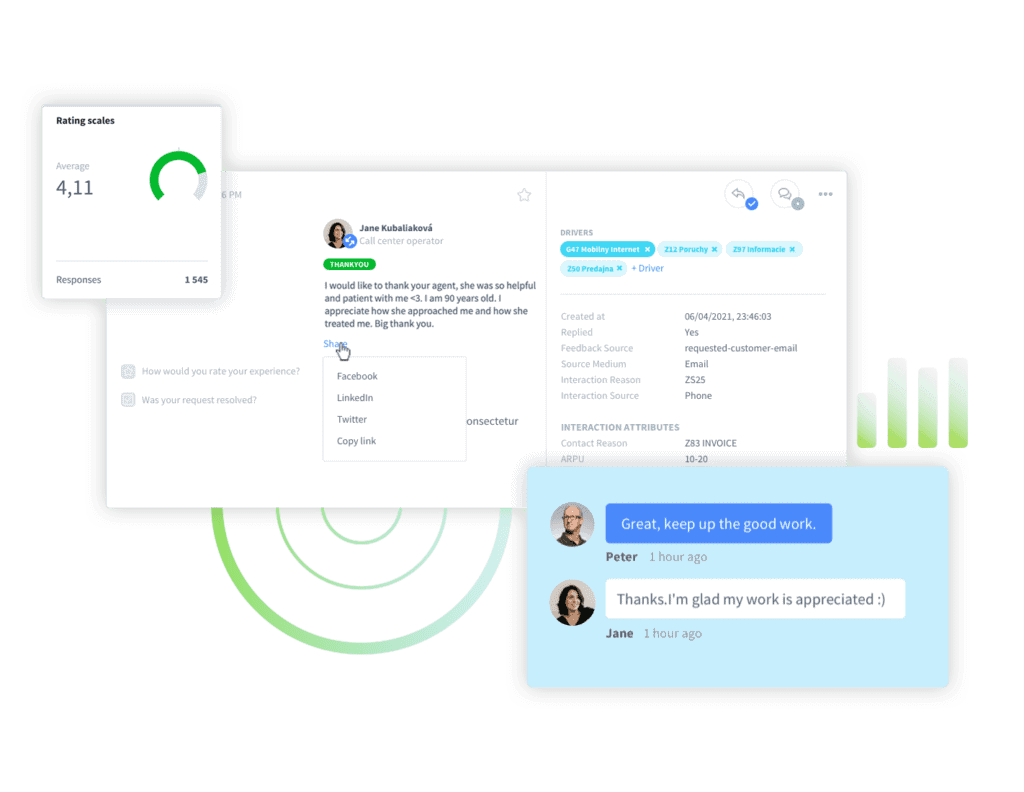
Besides, empowering customers to rate their interactions with your frontline staff (agents, shop assistants, technitians, sales managers, etc.) can lead to the discovery of your company’s unsung heroes. This not only fosters a positive company culture but also accelerates the transition to a customer-centric organisation. Recognised and motivated employees are more likely to repeat their commendable behaviour, leading to a 6% increase in customer satisfaction and a 4-point NPS score improvement.
2. Prioritise Issue Resolution Time and Cut It by 10% to Improve NPS Score by 5 Points
By addressing customer pain points promptly, you can reduce inquiries, eliminate repeated contacts, and significantly decrease resolution time. This focus on customer issue resolution rate can also lead to a 15% reduction in headcount.
Over a 12-month period, this strategy can result in a 10-point improvement in Net Promoter Score.
3. Reduce Customer Complaints by 30% for a 5-Point NPS Improvement
Identifying and eliminating the pain points that affect NPS results can dramatically decrease customer complaints, reducing the need for service recovery and increasing overall efficiency. With effective AI implementation, we can provide real-time insights into what drives customer dissatisfaction across different business lines and locations.
This targeted approach to continuous improvement at the micro-level makes enhancing your customer experience easier than ever before.
4. Identify Potential Churners Daily Through Transactional Surveys to Increase NPS by 9+ Points
The key to customer retention lies in the early identification of potential churners. This can be achieved through two parallel strategies: monitoring customer sentiment after every interaction through transactional NPS survey and proactively reaching out to the entire customer base in small batches.
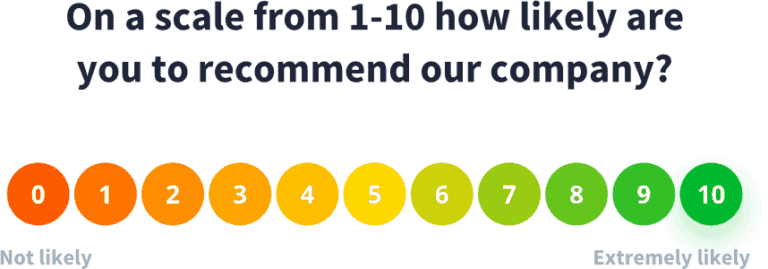
Understanding the root causes of dissatisfaction early can save up to 70% of customers. Reducing customer churn by 20% in a single year can result in a 10-point increase in NPS.
5. Measure Upsell/Cross-sell Attempts to Increase Revenue and Improve NPS by 10 Points
Increased recognition and motivation lead to greater job satisfaction among employees, resulting in a higher cross-sell rate. By incorporating cross-sell and upsell metrics into daily transactional NPS surveys, you can monitor and increase these activities.
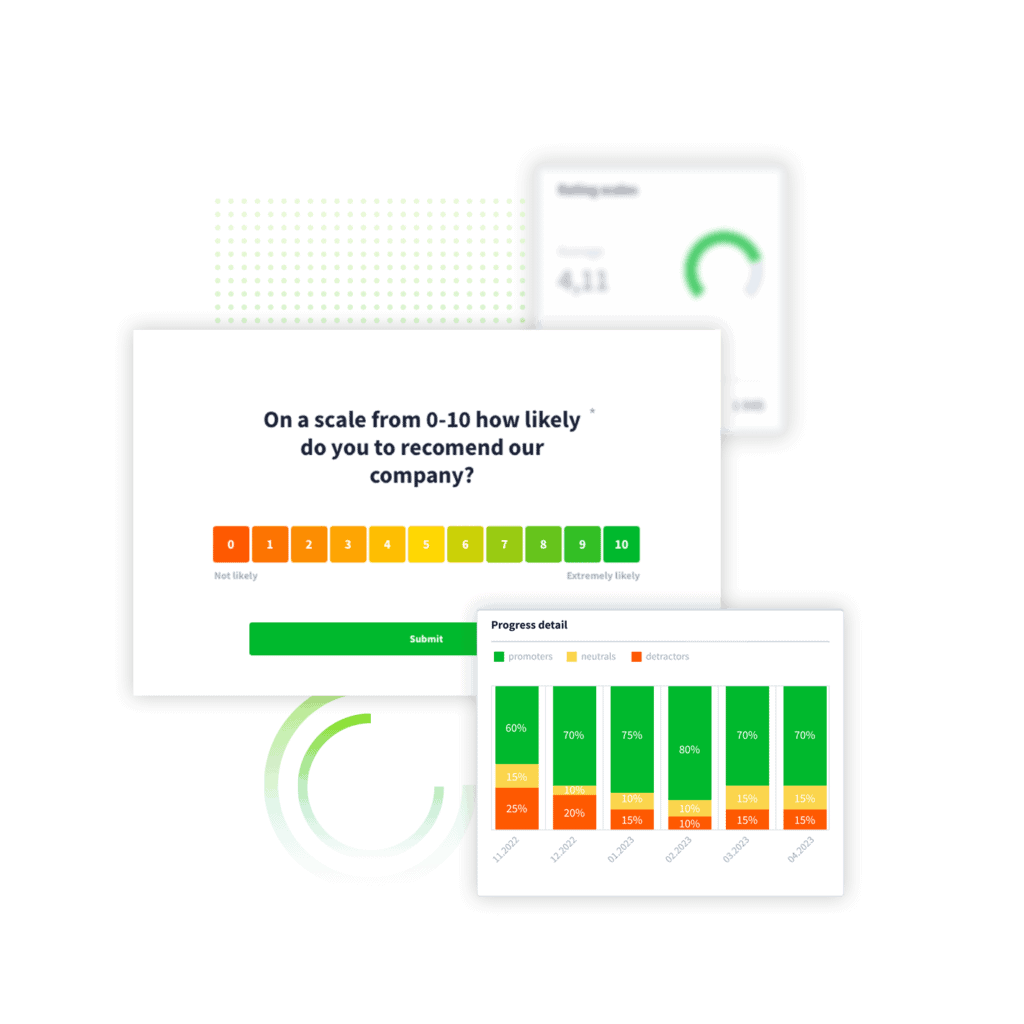
Not only does this lead to a 15% increase in average purchase value, but it also contributes to a 10-point NPS improvement.
Here’s a summary table for a quick overview of the five NPS secrets:
| Secret | Action | Estimated NPS Gain | Example Impact / Case Study |
|---|---|---|---|
| 1. Recognise frontline staff | Use positive customer feedback for real-time employee recognition | +4 NPS | Recognition programs drove ~6% CSAT increase and +4 NPS in telecom sector |
| 2. Speed up issue resolution | Reduce average resolution time by ~10% | +5 NPS | Faster responses decreased repeat contacts and raised NPS by ~5 points |
| 3. Reduce complaints by 30% | Identify and fix micro-level pain points via AI insights | +5 NPS | Complaint volume drop of 30% directly linked to ~+5 NPS |
| 4. Find churners daily | Send transactional surveys after each interaction; act on churn risk immediately | +9 NPS | Saved ~70% of at-risk customers in Orange retention case |
| 5. Track upsell / cross-sell | Measure and follow up on upsell attempts to improve revenue | +10 NPS | Increased upsell success led to ~+10 NPS in B2B service firm |
Potential Total NPS Increase: 33+ points if all tactics are implemented together.
Start Transforming Detractors into Promoters Today with Staffino
Don’t let your competitors get a leg up on you. Now that you know the exact strategies how to increase NPS, you can transform your detractors into promoters, improve customer satisfaction, and boost your bottom line.
Remember, the secrets to improving Net Promoter Score are no longer secrets. They’re right here, at your fingertips. All you need to do is take the first step.
So, are you ready to see a significant improvement in your NPS results? Are you ready to empower your team, reduce customer complaints, and increase your revenue? If your answer is a resounding ‘yes’, then it’s time to take action. Start your journey to a higher NPS score today with Staffino.

Get a First-Hand Experience Today!
Staffino is the perfect tool for creating engaging surveys, tracking performance, responding to customer feedback, and rewarding top employees. Get started today with our FREE demo!
FAQ
Net Promoter Score is a customer loyalty metric showing how likely customers are to recommend your brand. It reflects overall satisfaction and loyalty, measured on a scale from -100 to +100.
NPS = % of Promoters (score 9–10) − % of Detractors (score 0–6) from responses to the question: “How likely are you to recommend us?”. Passives (score 7–8) are excluded from the calculation.
A “good” NPS varies by industry, but generally: 0+ is positive, 30+ is strong, and 70+ is exceptional.
Recognise staff for positive feedback (+4 NPS), speed up resolution times (+5 NPS), cut complaints by 30% (+5 NPS), detect churners daily (+9 NPS), and act on upsell opportunities (+10 NPS).
An increase of 5–10 points is considered meaningful; gains above 20 points are transformative, often tied to significant CX improvements.
Depending on the action plan, measurable improvements can appear in weeks for operational fixes (e.g., faster resolution) or months for cultural and systemic changes (e.g., recognition programs, churn prevention).
Service quality, speed of resolution, employee engagement, product performance, pricing, brand perception, and the emotional impact of interactions all influence NPS.
Yes, 70+ is exceptional and usually signals industry leadership in customer loyalty.
A score of 22 is above neutral and indicates more promoters than detractors, but there’s significant room for improvement.